Digital divide. These two words encompass within them hope, concern, doubt, and fear that are associated with the digital world....

CYBERIA
Digital divide. These two words encompass within them hope, concern, doubt, and fear that are associated with the digital world. Our lives are indeed connected with applications, software, and the Internet at large. Gone are the days when we used telegrams, fax, landlines, or even SMS as primary tools of communication. With the advancement in digital telecommunication systems and processes, our everyday life has been guided and influenced by all-things-digital. From the way we communicate to how we learn, work, shop, and even think, technology has quietly become an essential part of our existence.
To address the issues arising because of digital technologies and to raise awareness about the social changes brought about by the Internet, World Telecommunication and Information Society Day has been observed since November 2006. It was first proclaimed by the International Telecommunication Union (ITU), a specialized agency of the United Nations responsible for various aspects related to information and communication technologies. The ITU itself was founded in 1865, marking a long history of global efforts to improve communication systems and connect societies across borders.

Communication technologies such as the Internet, mobile phones, and digital services have been shaping our lives in profound ways. At the same time, the day highlights a critical concern — that many people across the world still do not have access to such technologies. This imbalance creates what we call the digital divide, where some communities move forward rapidly while others are left behind due to lack of access, affordability, or digital literacy.
Today, the meaning of the day has evolved significantly. The United Nations, in 2005, recognized how we would create, store, utilize, and share data and information in the years to come. To reflect this broader understanding, the day was renamed World Telecommunication and Information Society Day. Since then, the focus has extended beyond communication networks to include digital access, skills development, innovation, and the responsible use of technology.

Communication technologies are not confined to professions linked with computer science; rather, they have enveloped the entire world. They have enabled students to pursue distance learning, professionals to engage in remote work, organizations to conduct webinars and global meetings, and doctors to consult patients through telemedicine. In addition, these technologies facilitate trade and commerce, allowing businesses to operate across borders and continents, reach wider audiences, and participate in the global economy. Moreover, the foundations of e-commerce have been laid on the principles of communication technologies. The global freelance community also thrives by offering their services to clients across the world through the miracles of the Internet.
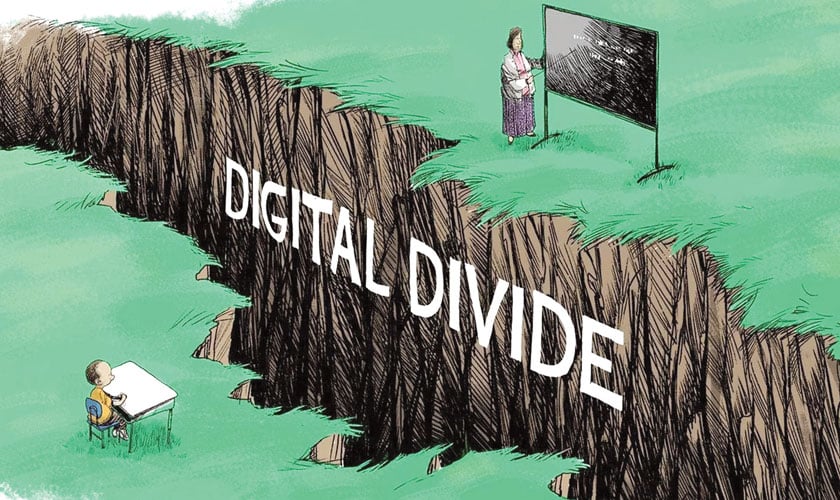
Despite these advancements, challenges remain. Issues such as cybersecurity, misinformation, data privacy, and unequal access will continue to breed discussions around the digital world. This is why the observance of this day is not symbolic, it serves as a reminder of the responsibilities that come with technological progress. Factual information must be spread, opinions must be clear from bias and fake news should be fought with truth.
World Telecommunication and Information Society Day is therefore not just about celebrating technology. It is about recognizing its role in creating opportunities and improving lifestyle. The day envisions a future where everyone can benefit from the opportunities that the digital world has to offer. This can be ensured by promoting equal access, encouraging digital literacy, and ensuring responsible use.