One common myth in Pakistan is that therapy is only for people who are a danger to society or who suffer from severe mental disorders....
MENTAL HEALTH
In Pakistan, the word therapy is often surrounded by fear, stigma and judgement. Many people still believe that therapy is meant only for those who are “mentally unstable”. In reality, therapy is a safe and empowering process that helps individuals understand themselves better and learn healthier ways to process and regulate their emotions. As a student of psychology and someone working in a reputable clinic that supports individuals, I believe it is time to shed light on what therapy truly is.
One common myth in Pakistan is that therapy is only for people who are a danger to society or who suffer from severe mental disorders. It is often assumed that therapy works only when a person experiences a complete emotional breakdown. This belief is not only inaccurate but also harmful, as it discourages people from seeking help at an early stage.
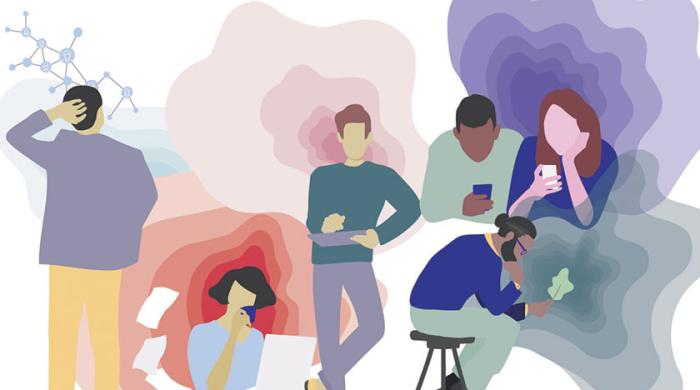
The truth is that therapy focuses on a wide range of concerns including stress, anxiety, depression, relationship issues, academic pressure, grief and low self-esteem. Many people opt for therapy not because there is something ‘wrong’ with them, but because they want personal growth, clarity in their lives, and emotional balance. Seeking support before problems escalate can prevent long-term psychological distress and improve overall well-being.
Another common myth in Pakistan is that a person who seeks therapy is weak. From a young age, many individuals are taught to stay strong and endure emotional pain without expressing it. However, seeking therapy is a sign of self-awareness and courage. It requires strength and courage to open up to a stranger, and speak about feelings, emotions and even ‘secrets’.
Families prevent family members, especially women and daughters, from seeking counselling to protect family honour. Family secrets are considered more important than the mental health of women.
As if this were not enough, many people do not believe that psychology is a science or that it is important. They do not comprehend that when one is afflicted by issues such as a severe cold, fever or stomach problems, they consult a doctor, but when it comes to brain health - a vital aspect responsible for the body’s proper functioning - they hesitate to consult an expert.
Therapy is not about giving up; it is about taking responsibility for one’s mental health and wellbeing. In a society like Pakistan, which often normalises emotional suppression, choosing support is a powerful step towards self-growth.
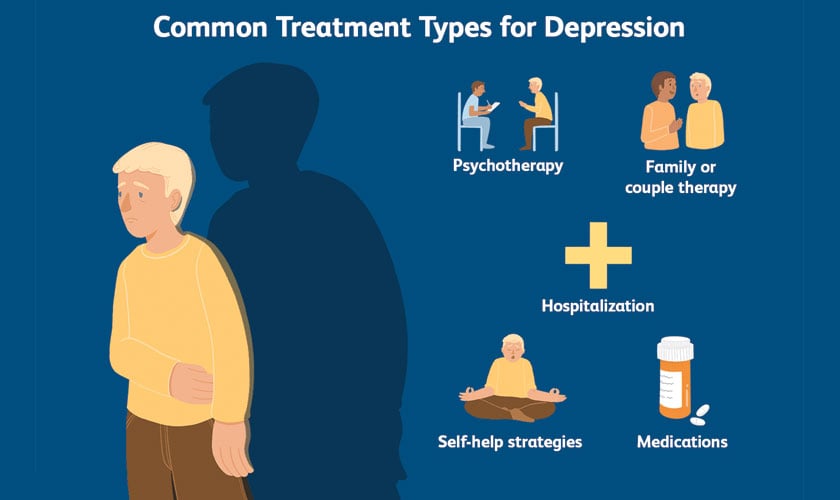
However, the biggest misconception is that therapy is just talking and does not bring about any real change. Often, people say, “Why pay a psychologist to talk to? What difference will it make? You can talk to us.” On top of that, many believe therapists will put them on medication that makes them sleepy and suppresses their emotions.
While talking is an important part of the process, therapy involves techniques, psychological frameworks and evidence-based interventions. Over time, clients learn coping skills, boundary-setting and healthier ways of thinking. It is a gradual process, but its effects are lasting and meaningful.
Another major issue for people seeking therapy is the fear of being labelled as ‘insane’ and ridiculed, mostly by friends and family. Such reactions, labels and jokes prevent individuals from seeking help. This results in complex emotional experiences that unfairly confine a person’s identity to a narrow stereotype.
Fortunately, despite these long-held myths, Pakistani society is slowly becoming more open to therapy. In particular, Gen Z is moving beyond outdated beliefs, and are prioritising their emotional wellbeing. They are more willing to acknowledge that mental health should be a priority. This change reflects a growing readiness to seek therapy, have open conversations and challenge the silence that has long surrounded mental health.