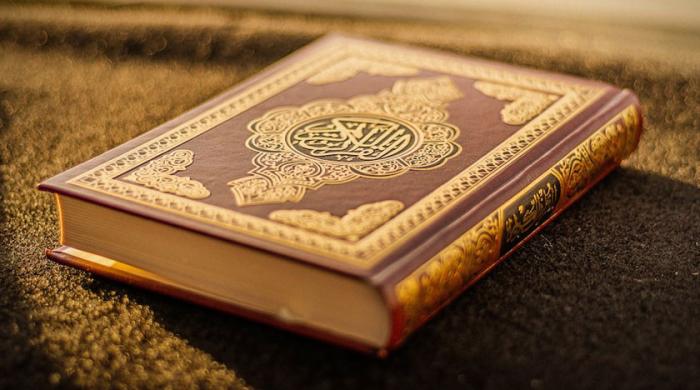
Allah’s Apostle (S.A.W) said, “Whoever loves that he be granted more wealth and that his lease of life...

BITS ‘N’ PIECES
Narrated Anas bin Malik (R.A):
Allah’s Apostle (S.A.W) said, “Whoever loves that he be granted more wealth and that his lease of life be prolonged then he should keep good relations with his kith and kin.”
Sahih Bukhari, Volume 8, Book 73, Number 15
Modern daylight saving was widely adopted during the First World War to conserve energy.

Daylight saving time, often shortened to DST, is the practice of setting clocks forward by one hour during the warmer months to make better use of natural daylight. The idea is simple: by shifting an hour of daylight from the early morning to the evening, people can enjoy longer daylight hours after work or school, while reducing the need for artificial lighting.
Daylight saving usually begins in spring, when clocks are moved forward by one hour, and ends in autumn, when clocks are set back to standard time. This change does not alter the length of a day, which remains 24 hours, but it changes how daylight is distributed across waking hours. For example, instead of sunrise occurring at 5 am, it may happen at 6 am, while sunset shifts from 7 pm to 8 pm. The system is mainly used in regions farther from the equator, where daylight hours vary significantly across seasons.
The concept was first proposed by Benjamin Franklin in the 18th century as a way to save candles. However, modern daylight saving was widely adopted during the First World War to conserve energy. Since then, many countries have adopted, modified, or abandoned the practice based on national needs.

Today, daylight saving is used in around 70 countries. Most of Europe follows it, including the United Kingdom and European Union member states, although debates continue about ending it. In North America, the United States and Canada observe daylight saving, with exceptions such as Arizona and parts of Saskatchewan. Australia applies it in some states, including New South Wales and Victoria, but not nationwide. Other countries that observe daylight saving include New Zealand, Chile and parts of South America.
Many countries in Asia and Africa do not use daylight saving at all. Nations near the equator, such as Indonesia and Kenya, experience minimal seasonal daylight variation. Pakistan, India and China currently do not observe daylight saving. Pakistan did experiment with daylight saving time in the past, notably in 2002 and again in 2008–09, mainly to address energy shortages, but the policy was later abandoned due to public inconvenience and limited benefits.
While daylight saving offers longer evening daylight, it remains controversial. Critics argue that it disrupts sleep, affects health, and provides little modern energy savings, leaving its future uncertain worldwide.