A man asked the Prophet (S.A.W), “What sort of deeds or what qualities of Islam are good?
BITS ‘N’ PIECES
Narrated Abdullah bin Amr (R.A):
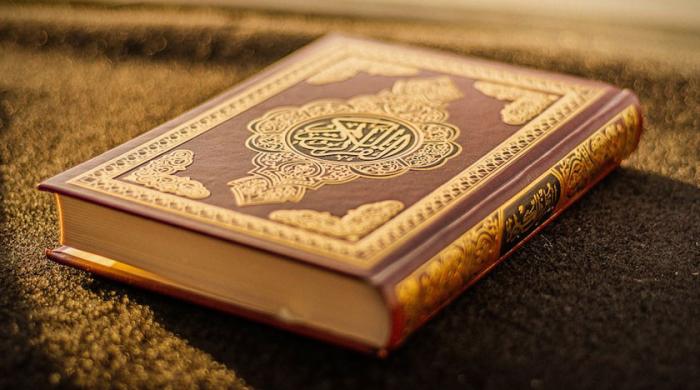
A man asked the Prophet (S.A.W), “What sort of deeds or what qualities of Islam are good?” The Prophet replied, “To feed the poor and greet those whom you know and those whom you do not know.”
Sahih Bukhari, Volume 1, Book 2, Number 11
The last Rolls-Royce Silver Ghost was sold in London, England in 1924.
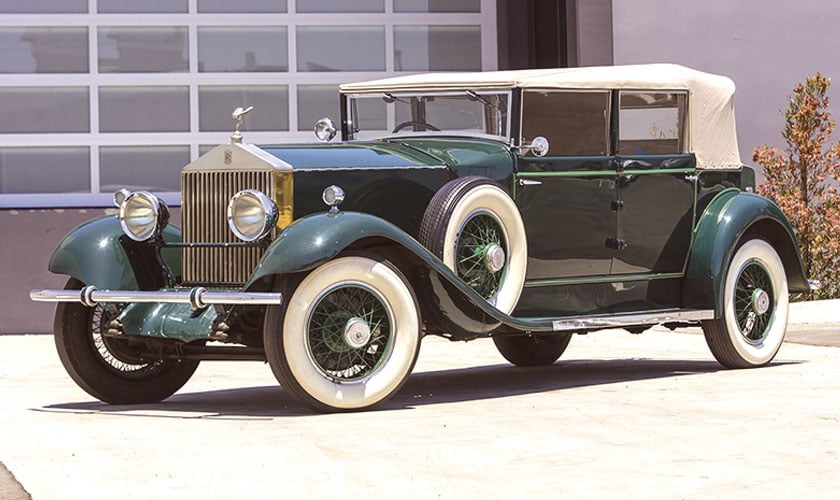
The 1924 Rolls Royce Silver Ghost is one of the finest examples of early 20th-century engineering. It was called the best car in the world at one time and became legendary for its extraordinary smoothness, silent operation, and reliability. The company was founded by Charles Rolls and Henry Royce in 1906, combining Royce’s engineering genius with Rolls’ business acumen and love of motoring. Their collaboration established a brand that became synonymous with elegance, earning a clientele among royalty, aristocrats, and influential figures worldwide.
The last Silver Ghost produced in 1924, sold in London, carries particular historical significance. This model is said to have been used by Quaid-e-Azam Muhammad Ali Jinnah, reportedly riding in the car owned by the Nawab of Bahawalpur on 14 August 1947, when Quaid-e-Azam and the last Viceroy of India, Louis Mountbatten, travelled from the Governor House to the Sindh Assembly to take the oath as first Governor General of Pakistan. The vehicle later came into the possession of Karim Chhapra, a passionate collector of vintage automobiles, who meticulously restored it to its original glory.
What made the Silver Ghost remarkable was its combination of engineering precision and luxury. Under the hood, it featured a 6 cylinder engine known for quietness and reliability, capable of long-distance travel without mechanical trouble. The chassis and suspension were designed for supreme comfort. Every Silver Ghost was custom-built, with coachwork tailored to the buyer’s specifications, meaning no two were exactly alike. Interiors often featured leather upholstery, wood trims, and elegant detailing, emphasising the car’s bespoke character.
A particular 1924 Silver Ghost with chassis number 2AU was sold at auction in London many decades later, its provenance tracing back to that final production period. Mechanically, the 40/50 hp was remarkable for its time. A six cylinder, 7 litre engine (upgraded to 7.4 litre in later years) gave the car formidable torque and smooth operation. By 1923, optional four wheel servo assisted brakes became available. It was a rare feature demonstrating the continuous innovation that Royce championed.
Today, only a fraction of the roughly 7,800 Silver Ghosts built survive. The 1924 example sold in London remains a symbol of the end of an era - the last gasp of the original Silver Ghost lineage before Rolls Royce moved into the Phantom age. For classic car lovers, it’s a time capsule and a testament to the vision of Rolls and Royce, whose partnership shaped the golden age of motoring.