Gol Bibi o Jang (Gol Bibi and War), directed, edited, and filmed by Kamalan Beebagr, is a powerfully moving and emotionally....
DOCUMENTARY REVIEW
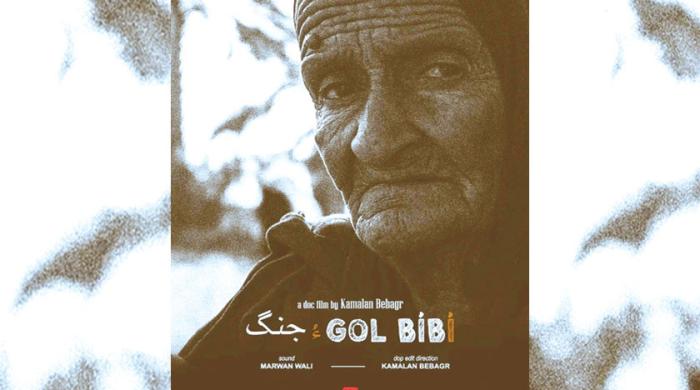
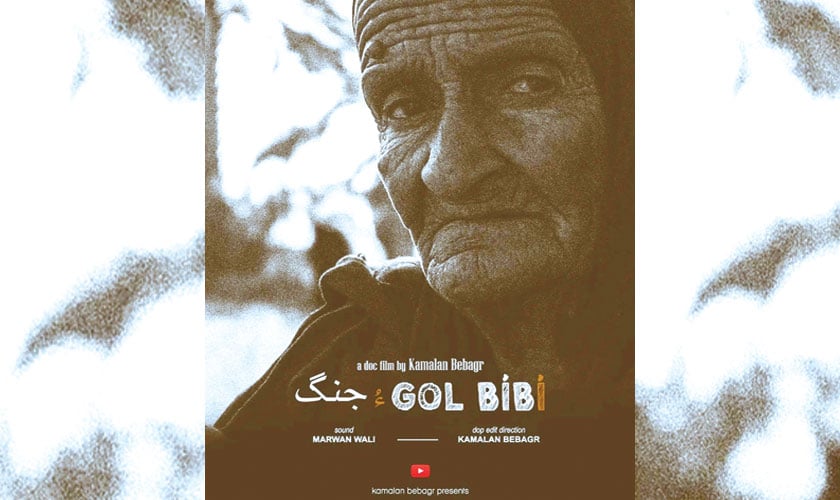
Gol Bibi o Jang (Gol Bibi and War), directed, edited, and filmed by Kamalan Beebagr, is a powerfully moving and emotionally gripping short Balochi documentary film that portrays one of the most harrowing and least discussed conundrums in Balochistan today: the gradual and silent devastation of an entire generation through drug addiction.
The central character of the film is Gol Bibi, a single mother from Alandoor, Buleda, Kech, Balochistan, whose four sons have all fallen prey to drugs. She sometimes sells beans and sometimes nuts to sustain her livelihood. She makes 800 to 900 rupees per day, 400 of which go to the owner while the rest are taken by her drug addict sons. Her sons are jobless. They are dependent on their mother for money, and they spend it on drugs. They have brought immense distress into their mother’s life.
Her story serves as a gut-wrenching symbol of the pain endured by innumerable mothers throughout Balochistan. This is not just the single case of Gol Bibi. It is the heartbreaking story of almost every home in Balochistan. Like Gol Bíbí, there are thousands of mothers who suffer from the same agony. Drugs are being sold door to door. The dens of drugs are being operated openly, and some heads of dens even have state patronage.
Gol Bibi carries the crushing weight of pain, sorrow, despair, sacrifice, and hopelessness on her heavy shoulders. This documentary does not depict Gol Bíbí’s pain; rather, it highlights a devastating menace that has silently ruined numerous homes, devastated several families silently, and dismantled the future of the youth.
One of the most significant and historically defining parts of the documentary is the visual of the first anti-drug rally led by mothers and sisters in Alandoor, Buleda. The courage of the sisters and mothers is highly inspiring. It is inspirational in the sense that women noticed that homes are tearing apart due to drug addiction. They had to break the stereotypes and step out of their home to take a stand against this catastrophic menace.
The documentary also demonstrates how this women-led movement triggered a wave of awareness among young people. Inspired by the woman’s rally, the youth of Alandoor organised anti-drug awareness campaigns. Youth claimed that the sale of drugs cannot be deterred unless and until all stakeholders are involved, as it demands a collective struggle to prevent this curse.
The drug-affected individuals from the documentary film state that they want treatment, but rehabilitation is costly, and they can’t afford it. The relevant authorities should ensure free of cost treatment for all drug addicts so that this menace is curbed on a priority basis. The deepening silence of government and inaction of relevant authorities is further fuelling this destructive epidemic.
The cinematography and direction of Kamalan Beebagr were unmatched. He uses original visuals, natural conversations, and unfiltered expression of raw emotions. The documentary film was simple yet powerful. The film was an amalgamation of simplicity, authenticity, and soul-shaking visual narratives. Viewers would feel it cinematically and relate to it emotionally.
Gol Bibi and Jang is not only a documentary film; rather, it is a wake-up call. It is a sombre reminder for the youth to reconsider what they are consuming, as they are squandering their own potential through drug addiction and have become a burden on their family and society. When our parents get old, we are meant to be supportive rather than become an unbearable burden on their heavy shoulders.
The documentary showcases that behind every drug addict is a forlorn mother, a devastating home, and a society silently collapsing under the scourge of drug addiction. It is a must-watch for anyone who is concerned about the future young generation of Balochistan.