Allah’s Apostle (S.A.W) said, “Whoever has oppressed another person concerning his reputation or anything else...

BITS ‘N’ PIECES
Narrated Abu Huraira (R.A)
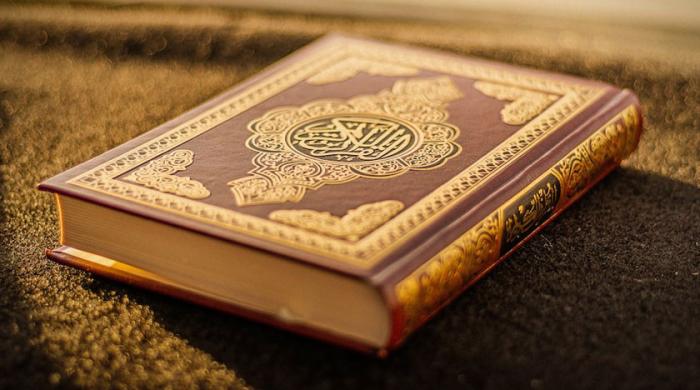
Allah’s Apostle (S.A.W) said, “Whoever has oppressed another person concerning his reputation or anything else, he should beg him to forgive him before the Day of Resurrection when there will be no money (to compensate for wrong deeds), but if he has good deeds, those good deeds will be taken from him according to his oppression which he has done, and if he has no good deeds, the sins of the oppressed person will be loaded on him.”
Sahih Bukhari, Volume 3, Book 43, Number 629
An 18th-century quarantine station on an island has been transformed into an art residency where phones are banned.
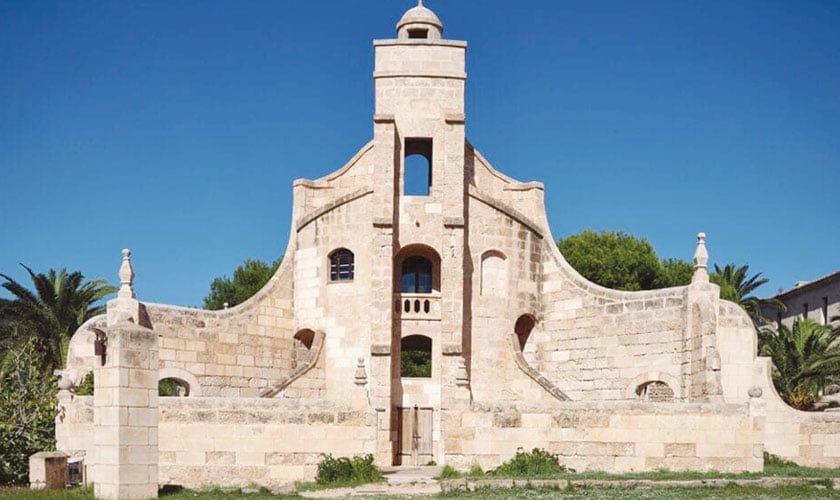
Dubbed ‘purgatory for artists’, Quarantine is an intensive residency devoted to finding freedom through constraint. The intensive residency programme takes its name from its venue: an 18th-century lazaretto off the coast of Menorca, Spain. Built between 1793 and 1807, the fortress in the port of Mahón once served as a quarantine station where travellers were held for weeks until they recovered from illness. It closed about a century later, but its Gothic architecture and old cemeteries remain. Today, the island functions as a tourist destination, an event venue, and the home of this unusual residency.
Created in 2017 by the artist Carles Gomila, Quarantine evolved through several experimental versions before taking its current form in 2023 with partners Joan Taltavull, Itziar Lecea, and Darren Green. Each spring and autumn, around sixty participants are invited to the island for a week-long and highly structured programme. The details are kept secret, and phones are banned, which allows residents to disconnect completely.
This detachment encourages intense focus and shared vulnerability. What happens on the island stays there, and participants even have the option to burn their work at the end of the week. The aim is not relaxation but transformation, as Gomila insists Quarantine is a training programme rather than a retreat, designed to push artists beyond their usual limits.
Residents move between art labs and sessions with high-profile mentors such as Yuko Shimizu and Martin Wittfooth, along with varied evening events. The art labs change with each edition to ensure surprise and risk, and fewer than half the activities are ever repeated. According to Gomila, taking risks keeps the experience fresh and impactful.
Unlike traditional art schools, Quarantine does not focus on technique or theory. Instead, it centres on mindset, drawing on art, education, psychology, and strategy. The goal is to help participants confront fears, unlearn limiting habits, and rediscover their creative drive. Although visual art is the focus, the residency attracts people from many fields, including law, psychiatry, and dog training, who work alongside designers and art directors.