The 2008 global financial crisis critically impacted Pakistan’s economy and leading to inflation, unemployment and reduced public trust towards traditional banking services.
CASHLESS ECONOMY
The 2008 global financial crisis critically impacted Pakistan’s economy and leading to inflation, unemployment and reduced public trust towards traditional banking services.
At a time when millions of Pakistanis remained unbanked, the crisis highlighted the urgent need for accessible, convenient and low-cost financial solutions. This environment created an opportunity for digital payment platforms like easypaisa to transform financial inclusion and accelerate Pakistan’s journey toward a cashless economy.
In October 2009, easypaisa was a joint venture between Telenor and Tameer Microfinance Bank (TMB). There has been a rapid expansion in FinTech and digital technology since the 2008 financial crisis. From 2010 to 2014, there was a rapid expansion in easypaisa usage also. In 2012, easypaisa became the third largest mobile money service according to the World Bank. In 2025, easypaisa became the first digital retail bank in Pakistan to receive a retail banking licence from the State Bank of Pakistan (SBP).
Beginning with a vision, easypaisa has grown into a profitable institution, handling nine per cent of Pakistan’s GDP.
Easypaisa entered a strategic partnership with Ant Group in 2018. The Ant Group of China invested $184.5 million for a 45 per cent share in Telenor Microfinance Bank (TMB). The collaboration aimed to speed up digital financial services in Pakistan by combining easypaisa’s large customer base and nationwide agent network with Ant Group’s. Through this partnership, easypaisa enhanced its mobile wallet technology, digital payment infrastructure, fraud detection systems and QR payment solutions. The investment was considered a major step towards improving financial inclusion in Pakistan, especially for unbanked and underbanked communities, while also supporting the country’s transition toward a digital economy.
Moreover, Easypaisa Digital Bank and Visa, a global digital payments company, have entered into a strategic collaboration. Its goal is to expand card-based digital transactions all over domestic and international markets. Under this harmony, both sides will strengthen collaboration to increase the issuance and application of Visa-branded debit and credit cards, with a focus on authorisation and seamless transactions across all digital merchant channels.
As part of the partnership, the Easypaisa Digital Bank plans to enhance the cardholder experience by introducing premium debit cards, credit cards and cross-border payments.
Chatbots would better facilitate its customers and implement advanced fraud detection systems to build trust and improve convenience
Easypaisa Digital Bank currently serves around one in every five Pakistanis, with women accounting for 31 per cent of its user base. The platform processed over 4.5 billion transactions in 2025, valued at more than Rs15 trillion, approximately 13 per cent of Pakistan’s gross domestic product. As of 2025, it serves over 55 million registered users and facilitates transactions amounting to over Rs15 trillion annually.
The easypaisa app is user-friendly and convenient. It also provides instructions in Urdu and has a USSD code, *786#. It's accessible to everyone, especially in rural areas. Easypaisa has no gender discrimination; they have treated everyone equally, as 31 per cent of users are women. As of early 2026, this collaboration has evolved into a digital-first approach, with easypaisa being a key partner in the new BISP Digital Wallet System. MOUs have been signed with easypaisa to help the beneficiaries of BISP in the money distribution process.
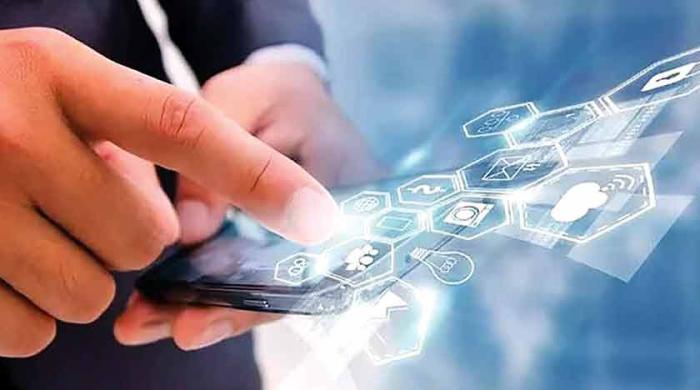
Easypaisa provides bill payment, money transfer, and branchless banking services, offering a comprehensive digital wallet that allows customers to send and receive money, pay utility bills and access loans. Pakistan is gradually becoming a cashless economy. Today, there is no need for a POS machine if you have a smartphone, as it can serve all your payment needs. Shops, street vendors and even fruit sellers now accept QR code-based payments.
The use of QR codes has helped digitalise developing economies. India and China are growing rapidly in the fintech sector, while Sri Lanka and Bangladesh are also promoting digitalisation to strengthen their economies. In Pakistan, however, financial technology has experienced significant growth since the Covid-19 pandemic. Therefore, a fintech company is much more than just an app on a mobile phone.
In my opinion, easypaisa should adopt chatbots in the future to better facilitate its customers and implement advanced fraud detection systems to build trust and improve convenience. This would help expand its reach across the country. The government should also introduce programmes to promote financial literacy and increase public awareness of digital financial services.
The writer is an MPhil scholar at the Pakistan Institute of Development Economics (PIDE).