For years, one phrase has echoed through government meetings, tourism conferences, policy papers and media discussions in Pakistan: Pakistan has immense tourism potential. It is repeated so often that it has become an almost unquestioned truth, a comforting slogan, polished and persuasive, but increasingly detached from reality.
TOURISM
For years, one phrase has echoed through government meetings, tourism conferences, policy papers and media discussions in Pakistan: Pakistan has immense tourism potential. It is repeated so often that it has become an almost unquestioned truth, a comforting slogan, polished and persuasive, but increasingly detached from reality.
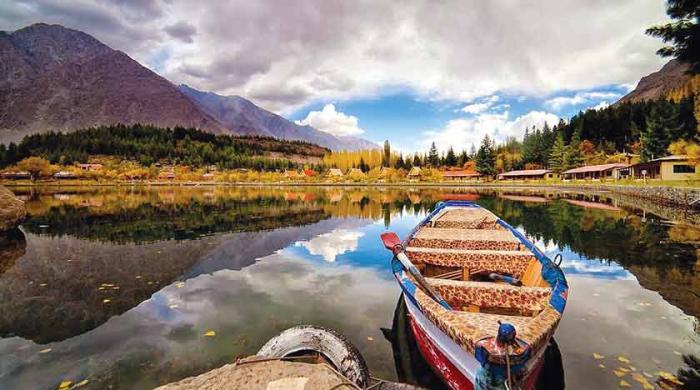
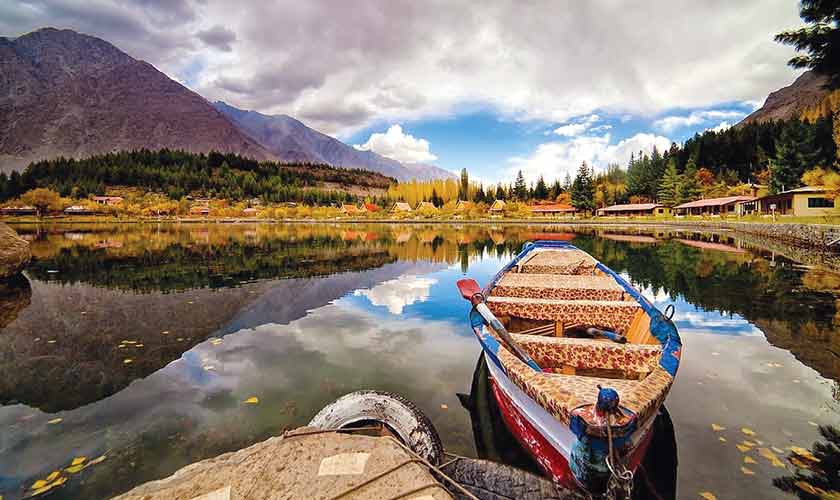
The truth is simple: Pakistan does have extraordinary tourism potential. Few countries can rival its dramatic mountain landscapes, ancient civilisations, rich religious heritage, cultural diversity and geographic variety. From the towering peaks of the north to the deserts of the south, from archaeological treasures to living traditions that remain deeply rooted in local communities, Pakistan possesses the raw ingredients of a world-class tourism destination.
But tourism potential alone does not build a tourism economy. Potential without policy remains an unrealised promise. Potential without planning becomes pressure. Potential without professional education and management often creates more problems than progress.
This is the uncomfortable truth that Pakistan must confront. For too long, tourism success has been measured in numbers alone: more visitors, more hotel bookings, more vehicles on mountain roads, more crowds at scenic spots, more photographs on social media and more claims of rising tourism activity. These figures may look impressive in reports and headlines, but they conceal a deeper failure: volume does not necessarily create value.
Anyone who wishes to understand Pakistan’s tourism reality should visit popular destinations during Eid holidays, long weekends, or summer vacations. What appears at first glance to be tourism growth often proves to be unmanaged chaos. Roads become paralysed by traffic. Public facilities collapse under pressure. Waste accumulates rapidly. Water supplies come under strain. Noise pollution overwhelms peaceful environments. Local communities, rather than benefiting, often bear the social and environmental burdens.
This is unmanaged movement. The crowd itself is not the problem. The absence of management is. A destination is not successful simply because people arrive. It is successful when those arrivals generate meaningful economic opportunity, respect local communities, preserve environmental integrity, and create memorable visitor experiences without overwhelming the destination’s capacity to host them.
That is where Pakistan continues to struggle. The country’s tourism conversation remains heavily focused on promotion rather than management. We speak endlessly about attracting tourists, but far too little about managing destinations. We celebrate arrivals, but rarely assess impact. We discuss potential, but neglect policy design. We build narratives, but not systems. Tourism is treated as publicity rather than governance.
Even more concerning is the lack of professional understanding that shapes tourism decision-making. Tourism is a specialised field requiring expertise in destination planning, visitor management, environmental stewardship, heritage interpretation, crisis response, hospitality systems and community engagement. Yet too often, tourism policy is handled through general administration, fragmented institutional arrangements, or by individuals with enthusiasm but limited technical understanding of the sector.
More tourists do not automatically mean more prosperity. Sometimes, without planning, they mean more congestion, more waste, more pressure and less value
At the same time, the nature of travel itself is changing, and not always for the better. Increasingly, tourism in Pakistan is becoming performative. Destinations are treated less as places to experience and understand, and more as backdrops for display. Social media has amplified a culture in which travel is often consumed through photographs, spectacle, and visibility rather than reflection, learning or cultural engagement.
Pakistan cannot build a serious tourism economy on spectacle alone. What it needs is a shift in philosophy, from volume tourism to value tourism.
Value tourism is not about exclusivity or luxury. It is about quality over quantity. It is about attracting visitors who engage responsibly, stay longer, spend more meaningfully and contribute positively to local economies. It is about ensuring tourism benefits reach communities, not just investors. It is about preserving culture rather than packaging it. It is about protecting landscapes rather than exploiting them.
Most importantly, it is about planning. Pakistan urgently needs destination management systems built on evidence, carrying capacity assessments, infrastructure planning, visitor education, waste management, local governance and community participation. Tourism cannot continue as a seasonal rush followed by neglect. It must become a year-round, professionally managed economic and social strategy.
Communities must be placed at the centre of tourism development. They should not be passive observers watching outsiders profit from their culture, land and heritage. They should be active partners, decision-makers, entrepreneurs, guides and beneficiaries. When communities feel a sense of ownership, tourism becomes development. When they feel excluded, tourism becomes extraction.
This is where policy matters most. Pakistan’s tourism challenge is not one of scarcity. It is not a lack of attractions. It is not a lack of beauty. It is not even a lack of demand. It is a lack of coherent policy, institutional seriousness, professional expertise and long-term vision.
The country must stop asking how to attract more tourists and start asking better questions: What kind of tourism do we want? Who benefits from it? What costs are communities paying? How much pressure can destinations sustainably absorb? How do we protect what makes these places worth visiting in the first place?
These are policy questions, not marketing questions.
And until Pakistan begins answering them honestly, tourism growth will remain shallow, chaotic, and ultimately self-defeating.
More tourists do not automatically mean more prosperity. Sometimes, without planning, they mean more congestion, more waste, more pressure and less value.
Pakistan does not need bigger tourism. Pakistan needs better tourism.
That shift begins when we
stop celebrating numbers and
start building systems and when tourism is seen not merely as movement, but as stewardship.
Only then will Pakistan’s immense tourism potential become a meaningful national benefit.
The writer holds a PhD in Tourism Management & Hospitality.