Ahydrocracker -- also known as a residue hydrocracking unit -- holds critical importance for Pakistan’s refining sector, as it enables the conversion of low-value furnace oil into high-value, environmentally compliant fuels such as diesel, petrol, kerosene, jet fuel and LPG.
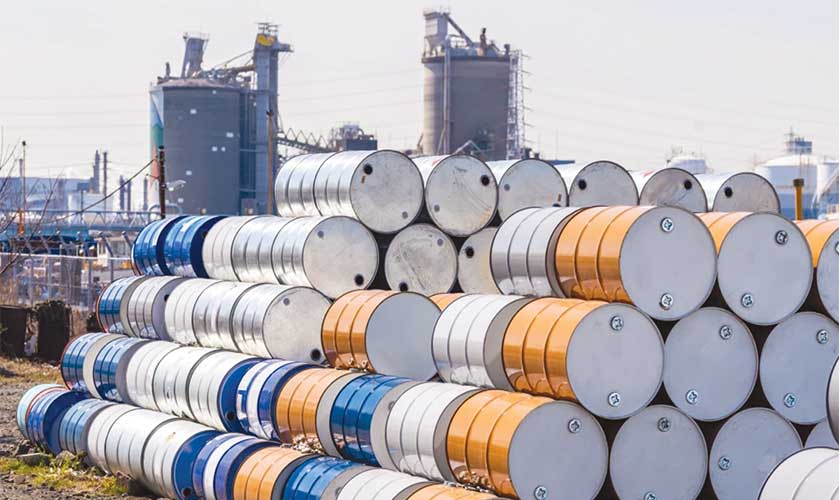
FURNACE OIL
Ahydrocracker -- also known as a residue hydrocracking unit -- holds critical importance for Pakistan’s refining sector, as it enables the conversion of low-value furnace oil into high-value, environmentally compliant fuels such as diesel, petrol, kerosene, jet fuel and LPG.
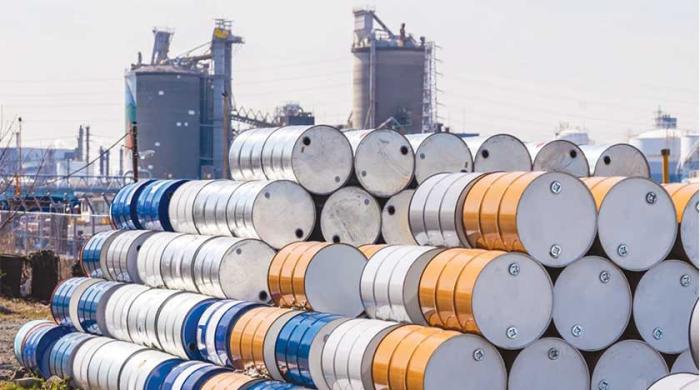
As the country’s power sector steadily moves away from furnace oil towards cleaner energy sources, a structural imbalance has emerged: a growing surplus of furnace oil with limited domestic use. In recent years, this surplus has hovered at roughly 2–3 million tons annually, effectively becoming a stranded by-product. A significant portion of furnace oil is being exported at discounted prices, reflecting inefficiencies in the country's existing refineries.
Hydrocracking offers a practical and strategic solution to this challenge. Beyond producing cleaner transport fuels, it generates valuable petrochemical feedstocks such as polyethene, polypropylene and synthetic fibres -- key inputs for various industries including plastics, textiles, automotives, electronics and chemicals. In this sense, hydrocracking is not simply a refinery upgrade; it is an enabler of broader industrial development and import substitution.
The importance of hydrocracking lies in its role in refinery modernisation, energy security and value-added processing. The technology uses hydrogen under high pressure and temperature to break down heavy hydrocarbon molecules into lighter, cleaner products, a process often described as 'bottom-of-the-barrel' upgrading. It significantly reduces sulphur and nitrogen contents, enabling compliance with Euro-V and Euro-VI fuel standards. More importantly, it allows a shift from low-value outputs to premium fuels, thereby reducing reliance on imported petroleum products. The resulting foreign exchange savings could be substantial -- potentially in the range of hundreds of millions of dollars annually -- depending on international prices and operational efficiency.
An equally important dimension is petrochemical integration. Pakistan continues to export notable quantities of relatively low-value naphtha while importing higher-value petrochemical derivatives for domestic industries. Hydrocracking can help bridge this gap by producing intermediate feedstocks locally, thereby strengthening industrial linkages and reducing import dependence.
Globally, hydrocracking capacity has been expanding steadily, reflecting its central role in modern refining. Industry estimates suggest that worldwide capacity, which stood at around 12–13 million barrels per day in the early 2020s, is projected to rise significantly by the later part of the decade. Approximately 60 countries operate refineries equipped with hydrocracking units, with major contributions from China, the US, India, Russia and Saudi Arabia. The Asia-Pacific region, led by China, is expected to remain the fastest-growing market for such capacity additions.
Pakistan has recognised this global shift. The Pakistan Oil Refining Policy for Upgradation of Existing/Brownfield Refineries, 2023, aims to incentivise the upgrading of existing refineries to produce cleaner fuels while minimising furnace oil output. The Policy promotes the installation of deep conversion units, including hydrocrackers, through a range of fiscal and financial incentives. Several refineries have since announced upgrade plans, though progress remains slow.
As Pakistan confronts energy insecurity, foreign exchange constraints and the need for industrial diversification, investment in deep conversion refining offers a rare convergence of economic, environmental and strategic benefits
Pak-Arab Refinery Limited (PARCO), a joint venture between the governments of Pakistan and the UAE, has proposed a major hydrocracker project at its Mahmoodkot facility, with an estimated investment of over $1 billion. While implementation has been delayed primarily due to investment restructuring on the UAE side, recent signals of renewed Gulf interest in Pakistan’s energy sector suggest that momentum may be restored. Similarly, Cnergyico Pk Limited, which operates the country’s largest refinery complex at Hub, has indicated plans for a deep conversion upgrade. Also, National Refinery Limited (NRL) has explored options for a bottom-of-the-barrel project aimed at improving product portfolio and meeting Euro-V specifications.
The proposed refinery in Dera Ismail Khan, designed to process indigenous crude, was also envisaged to include hydrocracking capability. Recent exploration activity in the region (Baska North Block) has indicated promising hydrocarbon potential, which could support such a facility if development resumes.
A more ambitious initiative is the proposed large-scale refinery, backed by Saudi investment, which has been under discussion since 2019-20. With an estimated cost of around $10 billion and a planned capacity of 250,000-400,000 barrels per day, the project is expected to incorporate state-of-the-art deep conversion technologies, including hydrocracking. Saudi Aramco is likely to partner with major Pakistani state-owned entities, including Oil and Gas Development Company Limited, Pakistan State Oil, Pakistan Petroleum Limited, and Government Holdings (Private) Limited. While the project’s location is being reconsidered, from Gwadar to Hub near Karachi, it remains one of the most consequential prospects for Pakistan’s refining sector, with recent statements indicating continued interest.
The concept of establishing hydrocracking capacity in Pakistan dates back several decades. Plans were first developed in the 1980s, supported by technical and economic studies conducted with the assistance of international institutions such as the World Bank and the Asian Development Bank. Although the project received formal approval and preparatory work was undertaken, it was ultimately abandoned. A subsequent attempt in the early 1990s to revive the project through a joint venture with a UAE-based company, Crescent Petroleum, also failed to materialise.
These repeated delays highlight persistent structural and policy challenges. Yet, the rationale for hydrocracking has only strengthened over time. As Pakistan confronts energy insecurity, foreign exchange constraints and the need for industrial diversification, investment in deep conversion refining offers a rare convergence of economic, environmental and strategic benefits.
If the currently proposed projects are implemented earnestly and with consistency and policy support, they could mark a decisive shift in Pakistan’s energy landscape -- transforming surplus furnace oil from a liability into a valuable resource, reducing import dependence and laying the foundation for a more efficient and self-reliant oil refining sector.
The writer is a retired chairman of the State Engineering Corporation.