From Karachi’s coolest studios to Lahore’s coffeehouse corners, Pakistani musicians are shaping the country’s sound that reverberates far beyond their cities. Every song is distinct, from techno-infused reveries to confessional hip-hop, bossa pop and introspective R&B yet all share one conviction: that music still means something. Because even in the most uncertain times, a good song connects people, finds a space in the corner of our minds and, above all, inspire.
Music has always been the first language of feeling. Long before alphabets and scripts, there was rhythm. The beat of a drum or a voice in song expressed love, loss and defiance. Across centuries, it has been a way to express what words cannot. A single melody can transport you back to a version of yourself you had long forgotten; a chorus can unite a crowd of strangers.
In Pakistan, music is as much heritage as it is rebellion. It lives between folk and electronic, qawwali and hip-hop, pop and rock, indie and experimental. What defines this moment, as we read about proxy wars, gut-wrenching poverty and millions suffering as casualties of wars they never asked for, is that turning away from it all is not optional. Sonic trips, in the privacy of your bedroom or under the sunlight, can provide hope because of their fearless flavour.
The wave of independent musicians does not wait for approval, nor do they need it. They create because they must, because sound is the one truth that can feed the soul.
Among all the releases that are discussed below, a clear portrait of Pakistan’s independent music scene emerges. Each artist sounds different yet all are connected by a singular belief: that music still matters and honesty in creation is its own kind of rebellion. In living rooms turned studios, in cafés that double as a stage and through indie labels, a movement is growing.
These are not artists who are chasing viral trends; they’re documenting emotion and personal stories through sound and songs that speak of experiences that are individual and universal. At the heart of the singles, as well as albums, is one simple truth: the fragile beauty of being human and embracing it. Sound serves as a trigger to feelings and a reminder that each of us can be confident in our choices, stay connected through artists who collaborate with purpose and vision.
It proves that music in all its forms still carries magic. This right here is the rhythm of a generation. The rhythm of now.
‘Birds’ by Mouseeki Machine x Usman Sheikh feat. Shahzeen Khan
A
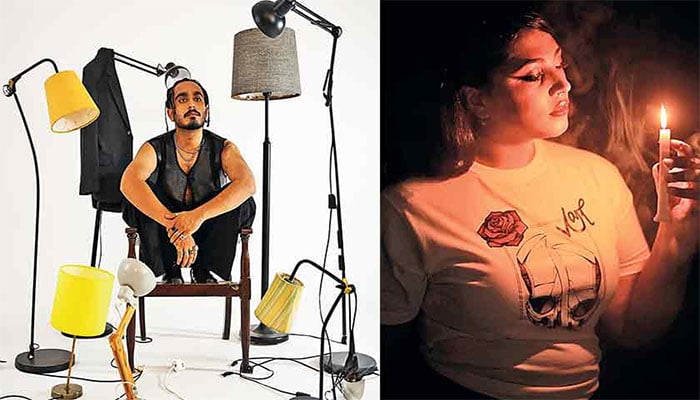
mong those leading this quiet revolution is Cape Monze Records, an ethical Karachi-based indie label that was born out of necessity to provide a platform to artists making music in their bedrooms but having nowhere to go as far as releasing was concerned. A home to the most eclectic artists, their structure is different from many others who have gone before them. CPR’s latest release is a case in point.
‘Birds’ brings together Mouseeki Machine, Usman Sheikh and vocalist Shahzeen Khan in an electronic collaboration that feels like a smooth flight minus turbulence, an oasis or a sanctuary in the middle of a cosmopolitan jungle that never stops. Produced by Mouseeki Machine and Sheikh and mixed and mastered by Sheikh, ‘Birds’ carries house and techno influences that shift in waves, building and receding with control, with a dash of melancholia and an overall effect that is hypnotic.
“I wanted to make something that could bring together all the inspirations of my growing up with house and techno and maybe capture that moment of freedom you feel at a rave,” says Mouseeki Machine. “This track is like a journey. It starts off, happy like listening to house at a beach, then moves into a dark techno rave with your best friends, and the moment where everything comes together and you wish to leave the rave, but take that spirit with you to the outside world.”
That spirit of movement and release sits at the heart of Cape Monze’s philosophy. The label has built its identity around sonic honesty, giving South Asian producers and DJs space to experiment without compromise.
‘Birds’ becomes both anthem and metaphor: a song about the freedom to exist on your own terms, to let go and to rise.
There Is A Light That Never Goes Out
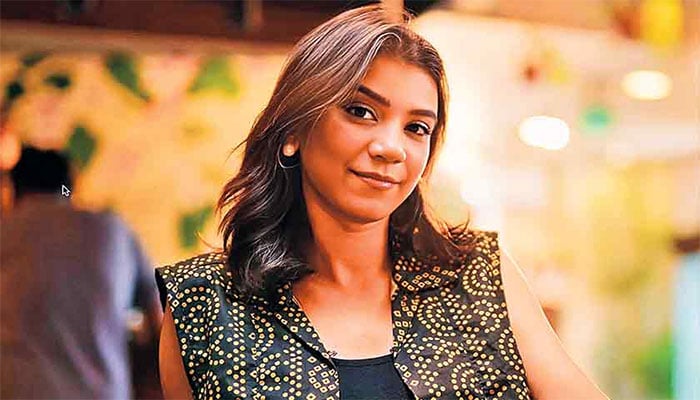
‘Future Zindagi’ by Natasha Humera Ejaz, Ansar A. & Sarmad Ghafoor
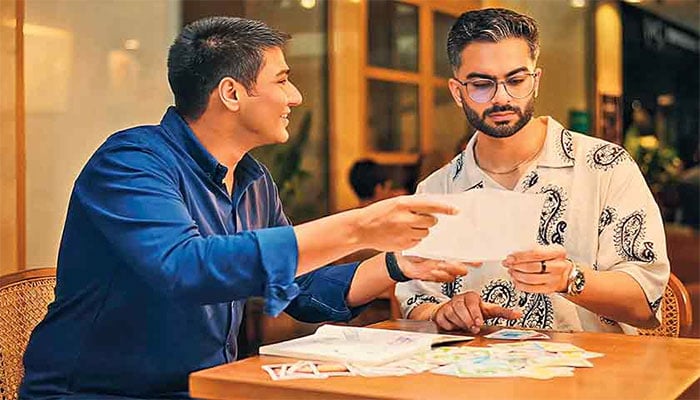
Where Lottery wrestles with fate, ‘Future Zindagi’ leans into hope. A collaboration between Natasha Humera Ejaz, Ansar A. and Sarmad Ghafoor, it’s a song that feels soft, warm and quietly transformative. Produced by the underrated Sarmad Ghafoor, ‘Future Zindagi’ blends Urdu and English with ease, its bossa-inspired rhythm carrying a gentle optimism. Natasha’s ethereal tone and Ansar’s groundedness create a harmony that sounds almost like a conversation, resulting in what she calls a “cosy minglish conversation about love, courage and connection.”
The video, directed by Namwar Ayaz and produced by Shah Fahad and Natasha, unfolds like a short film at a Lahore cafe. Three friends share a simple game night that unravels into confession, courage and laughter.
Rana Abdullah Hammad, Anya Assam, Natasha, and Ansar bring an easy chemistry to the story that keeps the focus on emotions.
“We built it around something simple and relatable, three friends, two quietly in love and a third who decides it’s time to give the shy lovebirds a little push,” Ayaz explains.
There Is A Light That Never Goes Out
For Natasha, the song’s making was as emotional as its melody. “The entire ‘Future Zindagi’ journey has been made possible purely by community love,” she says. “Lahore was infinitely kind. Family, friends and fellow artists all showed up just to be part of the ride.”
In its rhythm and heart, ‘Future Zindagi’ feels like a throwback to romanticism in theory, familiar yet fresh in sound, modern yet nostalgic. It celebrates the joy of falling, reminding us that courage often hides not in falling, but in learning how to stand up afterwards. Littered with beautiful genre-bending moments, ‘Future Zindagi’ instils hope in a time when tragedies are endless.
Though a collaboration, it must be said that the glue that has made this project feel so fluid is Natasha Humera Ejaz. Not new, she’s been a part of the music scene for more than a decade and with every single, every collaboration, what is obvious is that her talent is boundless. Tiny Dancer Live, which is NHE’s label, further reflects her creative independence.
PS: ‘Future Zindagi’, made available to Instep in advance, drops on November 6, so watch out!
Lottery by Blal Bloch
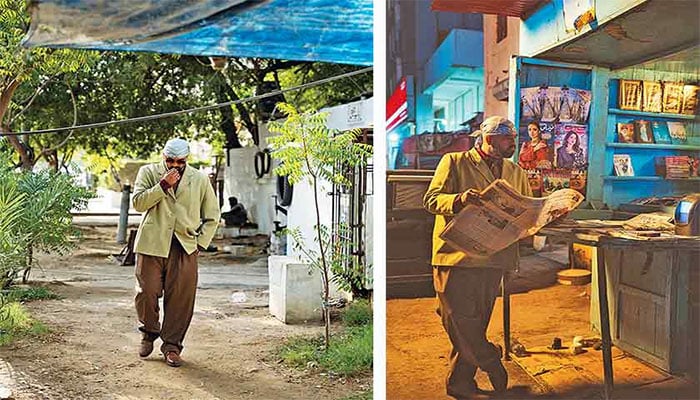
If ‘Birds’ is about finding an oasis, then Blal Bloch’s Lottery is raw, gritty and unafraid of uncertainty. Known for his contribution to music as one half of the pioneering TOWERS, Blal’s solo debut album created with long-time collaborator Talal Qureshi, an excellent producer, explores the restless space between ambition and fate. Each of the album’s 12 tracks begin as improvised freestyles, evolving into layered productions that mix genres. The title itself is revealing, as Lottery captures the illusion of control and the tension between life and art.
“Everyone is looking for a way out,” Blal reflects. “The games are rigged. My ambition won’t allow me to stop fighting, no matter the odds.”
That sentiment echoes through the album’s sound.
The lead single ‘Drama Part 2’ is cinematic and self-aware, a sharp-edged reflection on transformation. Its video expands the story in a visual format, turning personal growth into performance. Meanwhile, ‘Wonder Why’, featuring L.A.-based artist Rehma, confronts the vulnerability of doomed love. “It’s dangerous love,” Blal admits. “The kind that burns up everything in its way but you still keep walking toward it.”
Across Lottery, Blal’s Karachi and Toronto influences meet in sound and story. It’s introspection set to rhythm, proof that hip-hop can be both emotionally charged and culturally rooted, cinematic and undeniably current. It proves hip-hop’s ability to hold emotion and intent. For a debut album, this is a solid record, one that shouldn’t be missed not only by hip-hop fans but by all music fans.
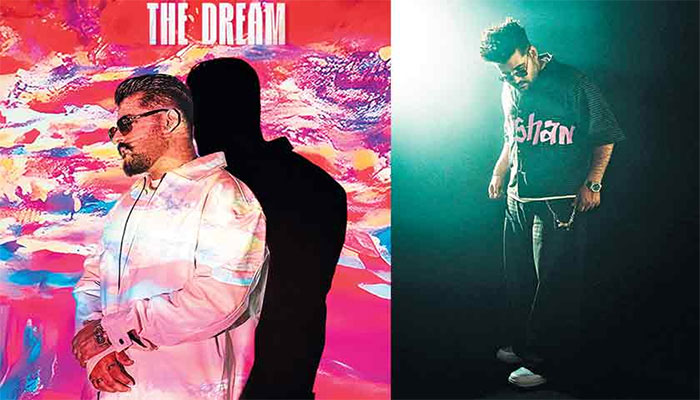
The Dream by Shareh
If ‘Future Zindagi’ is morning, Shareh’s The Dream is found within the twilight hours. It’s an introspective album that looks inward while reaching out. Expansive and soulful, the 12-track album moves between R&B, trap, Afrobeat and pop nostalgia. But its origin story comes from a family story. Shareh’s grandfather once misread a KFC billboard that read “Share the Dream” as “Shareh the Dream.” What began as family humour became a mantra, a promise to turn personal ambition into shared purpose.
The record features an ensemble of collaborators including Talha Anjum, Talhah Yunus, JJ47, Hasan Raheem and Natasha Noorani, with production by Jokhay, Umair, Superdupersultan and ProdbyLonewolf. For Shareh, The Dream isn’t just a debut, it’s a declaration of intent. Vulnerable, ambitious and personal, it bridges underground influence and polished production, showing that South Asian R&B has a voice that stands on its own.