Print Story
X




A chilling Nordic noir series that can get under your skin
| R |
eleased in 2021, The Chestnut Man (Kastanjemanden) is a Danish psychological crime thriller series available for streaming on Netflix. Directed by Mikkel Serup and Kasper Barfoed, the six-episode limited series is based on the bestselling novel by Søren Sveistrup, also known for creating The Killing, one of the defining Nordic noir dramas.
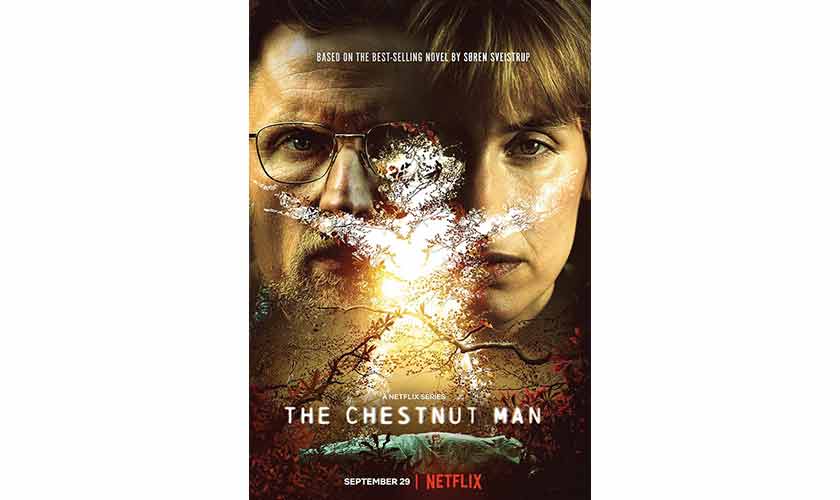
With a haunting atmosphere, disturbing murders and emotionally scarred characters, The Chestnut Man manages to turn something as innocent as a child’s chestnut figurine into a symbol of fear and brutality. Carrying a 7.6/10 IMDb rating and an impressive 100% score on Rotten Tomatoes, the series immediately positions itself as a must-watch for fans of dark crime dramas and psychological thrillers.
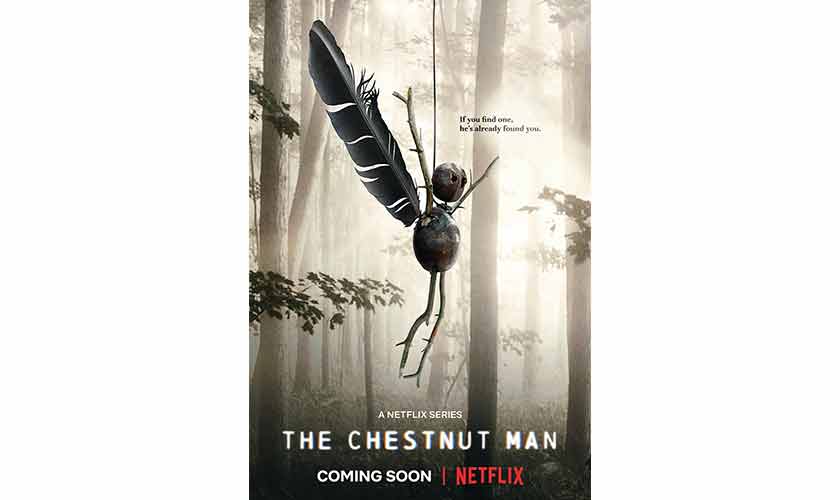
The premise is chilling from the outset. A woman is found murdered in a gruesome manner on a playground in Copenhagen. At the crime scene, investigators discover a tiny doll made of chestnuts and matchsticks, a seemingly harmless figurine that quickly transforms into a sinister signature left by the killer.
Detectives soon uncover a clue linking the figurine to the supposedly dead daughter of prominent politician Rosa Hartung. What follows is a tense investigation where secrets, trauma, child abuse, political pressure and buried truths collide in increasingly horrifying ways. The series hooks viewers not merely through mystery but also through the psychological unease that lingers.
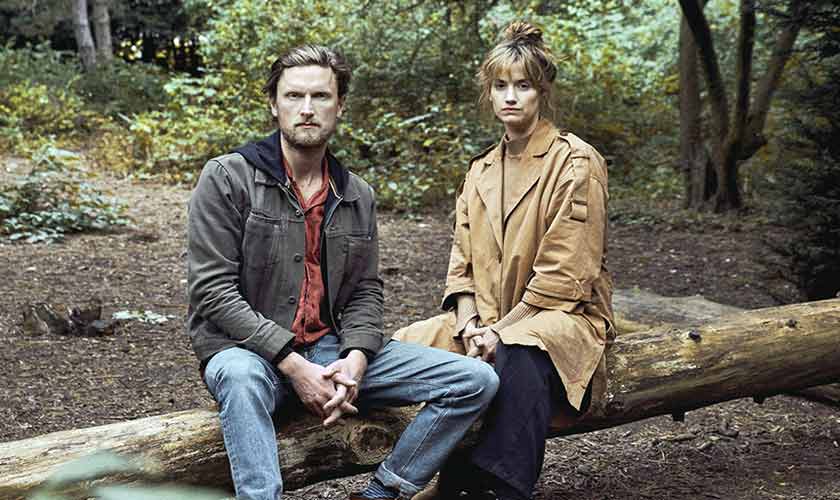
At the centre of the investigation are Danica Curcic, who plays Naia Thulin, a sharp but emotionally exhausted detective trying to balance police work with motherhood and Mikkel Boe Følsgaard as Mark Hess, a Europol officer temporarily reassigned to Copenhagen after a professional setback. Their partnership begins with tension and scepticism but gradually evolves into one of the show’s strengths. Thulin’s practical determination contrasts effectively with Hess’s detached yet instinctive investigative style, creating a believable detective duo without excessive melodrama.
The supporting cast strengthens the emotional depth of the story. Iben Dorner portrays Rosa Hartung, the minister of social affairs whose daughter Kristine disappeared a year earlier and was presumed dead. Rosa’s grief, guilt and desperation add emotional complexity to the thriller, especially as the investigation begins re-opening wounds. Esben Dalgaard Anderssen plays Steen Hartung, Rosa’s husband, whose quiet suffering reflects the emotional destruction caused by their daughter’s disappearance. Lars Ranthe appears as Nylander, Thulin’s superior officer. David Dencik portrays Simon Genz, a forensic expert whose role becomes increasingly significant as the story unfolds.
What makes The Chestnut Man particularly effective is its atmosphere. Like many Scandinavian thrillers, it features cold visuals, muted colours, endless rain and grey landscapes to mirror emotional bleakness. Copenhagen becomes more than a setting. It feels oppressive and emotionally drained, perfectly complementing the darkness of the narrative.
While many streaming series lose impact after a few years, The Chestnut Man has aged remarkably well because its focus lies in human psychology, emotional trauma and investigative suspense rather than temporary trends.
The pacing is deliberate but gripping, avoiding unnecessary distractions and building dread slowly. Every discovery feels unsettling. Every clue raises disturbing questions. Rather than relying on cheap jump scares, the show uses suspense and psychological tension to maintain fear.
Psychologically, The Chestnut Man explores themes of childhood trauma, neglect, abuse and emotional scars carried into adulthood. The killer’s motivations are tied deeply to experiences of violence and abandonment, reflecting how unresolved trauma can mutate into something horrifying.
For psychology enthusiasts, the series becomes compelling because it examines attachment issues, trauma responses, suppressed memories and the consequences of systemic failures in child protection. The emotional neglect within families becomes just as terrifying as the murders.
One of the strongest reasons to watch The Chestnut Man in 2026 is that it is highly relevant in an era where audiences continue to gravitate toward psychologically layered crime dramas. While many streaming series lose impact after a few years, The Chestnut Man has aged remarkably well because its focus lies in human psychology, emotional trauma and investigative suspense. The six-episode format makes it ideal for viewers seeking a tightly written binge-watch without unnecessary filler. In a streaming landscape crowded with repetitive crime content, this series stands out for its intelligence, atmosphere and emotional weight.
Some performances deserve particular praise. Danica Curcic delivers a grounded portrayal of a detective constantly torn between professional obligations and personal guilt as a mother. Mikkel Boe Følsgaard brings emotional restraint to Hess, allowing viewers to gradually understand the vulnerabilities beneath his cold exterior. Iben Dorner’s portrayal of Rosa Hartung is equally powerful, especially in scenes showing grief mixed with political composure. Nonme of the performances feel exaggerated.
Despite its many strengths, The Chestnut Man is not entirely flawless. Some viewers may find the procedural elements familiar and a few moments toward the finale lean into conventional thriller tropes. Certain decisions made by characters may feel frustrating, especially when danger seems obvious. However, these weaknesses do not take away from the show’s overall effectiveness.
The Chestnut Man is a disturbing yet compelling watch that succeeds because it blends mystery with emotional and psychological depth. It is not merely about finding a serial killer. It is about understanding the darkness behind ordinary lives and the devastating consequences of ignored suffering.
For viewers who enjoyed slow-burn crime dramas like Mindhunter, The Killing or Broadchurch, this Danish thriller offers an equally haunting experience. Creepy, intelligent and emotionally unsettling, The Chestnut Man lingers long after the final episode ends.
The writer has a degree in psychology with a minor in mass communication. She can be reached at [email protected]