Print Story
X




The smart lockdown has forced the citizens to change the way they live, work and unwind
| L |
ahoris are legendary for being late-nighters. Despite stringent government mandates aimed at curbing the city’s nocturnal energy, Lahore refuses to go to bed early.
Under current regulations, markets must shutter by 8 pm; restaurant dine-in services cease at 10 pm; and the city’s ubiquitous bakeries must wind up by midnight. Introduced as part of a “smart lockdown” strategy to tackle fuel shortages and economic pressures in the wake of the US-Iran conflict, this policy shift has forced a massive recalibration of how millions of people live, work and unwind. While the objectives are administrative, the impact is being felt across the city’s social fabric.
The shift is most visible in Gulberg. Before the restrictions, the Fashion Avenue on Main Boulevard buzzed well past midnight. Today, the crowds arrive early — pouring in at around 6 pm. Families, students and office workers now fill the sidewalks with a visible sense of urgency, as if the entire city is racing against time.
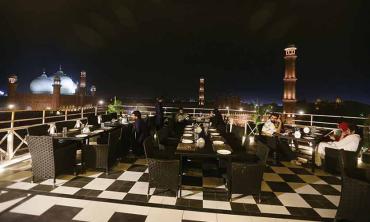
By 10, restaurant lights dim, but the night doesn’t end. In a display of classic Lahori ingenuity, tables are moved to the pavements.
“It’s takeaway now,” explains Asad Ali, a local restaurant owner. “We had to find a way. Otherwise, business would stop entirely.”
Inside, kitchens remain frantic. Outside, waiters dart between cars and outdoor tables.
In Barkat Market, the system is even more high-tech: workers stand curbside, taking orders via WhatsApp and delivering meals to parked cars within minutes. It is a makeshift, imperfect system, but it works.
For the youth, the change is almost an adventure. Sarfraz Ali, a LUMS student, says while sipping coffee at Barkat Market with friends, “It’s fine in this weather; we can sit outside. But I’m sure it’s not easy for families.”
He’s right. For many, the new schedule is a source of frustration rather than leisure. Saira Imtiaz, a media student, recalls a family mehndi at a hotel in Raiwind that ended in darkness.
“Everything was going well until 9:45 pm when the staff suddenly switched off the lights,” she says. The hotel, fearing a government raid, forced the guests out two hours earlier than promised. “It ruined the mood entirely. We had specifically chosen a hotel because wedding halls are now so strictly regulated. But this happened.”
By 10, restaurant lights dim, but the night doesn’t end. In a display of classic Lahori ingenuity, tables are moved to the pavements.
| W |
hile the food industry pivots, the entertainment sector continues to suffer. Hassan Naqvi, CEO of Tangy & Toasted, notes that the 10 pm limit cuts directly into peak hours. “Late-night dining isn’t just a habit; it’s our lifestyle. Revenue is down, but more importantly, the experience people value is being eroded.”
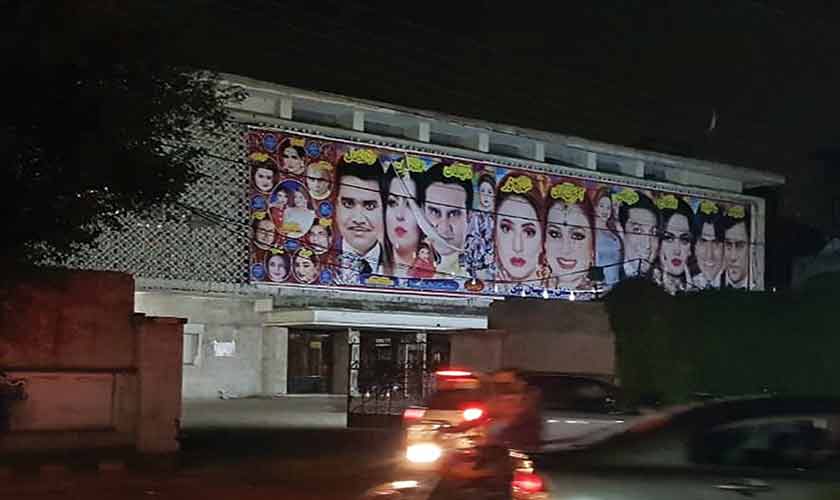
The situation is even bleaker for the arts. Qaisar Sanaullah, president of Pakistan Theatre Producers and Artists Association, says theatre is being pushed to the brink of extinction.
“We’ve been told to operate between 6 pm and 8 pm. Everyone knows theatre is a late-night affair,” he says. With halls empty and shows running at a loss, the daily-wage workers — spotlight operators, stagehands and minor performers — are the ones suffering the most. “Is there any support for these workers? What are they supposed to do?” Sanaullah asks.
As far as working professionals are concerned, the 8 pm smarket closure is a logistical nightmare. Uzma Tehreem, a geologist, finds her daily routine increasingly strained. “I leave work at 5 pm. By the time I reach home, the markets are closing. With shops now closed on Sundays too, when are we supposed to manage our lives?”
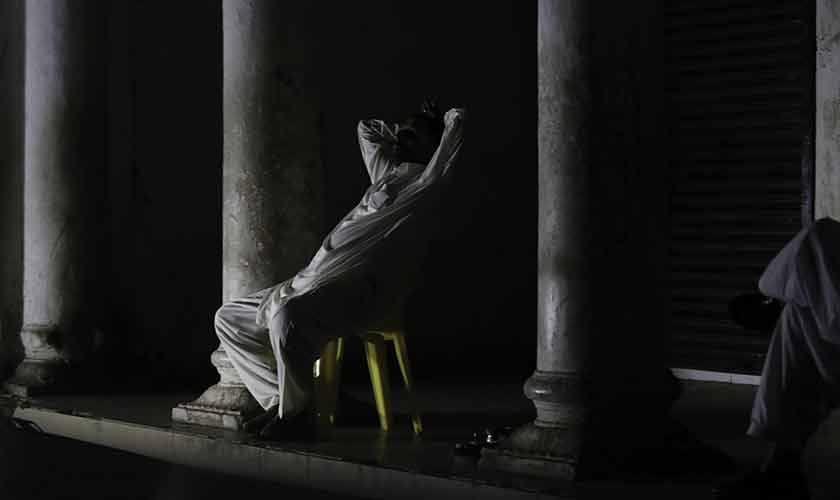
As Lahore adjusts, a quiet question lingers in the background. The government may have its economic reasons, but the social and human cost of “turning off the lights” continues to mount. Lahore is still awake — it’s just hiding in the shadows.
Ahsan Raza is the editor of Minute Mirror. He can be reached at [email protected]