Print Story
X




Inclusive disaster management is not just about technology or infrastructure; it is about equity, dignity and human rights
| N |
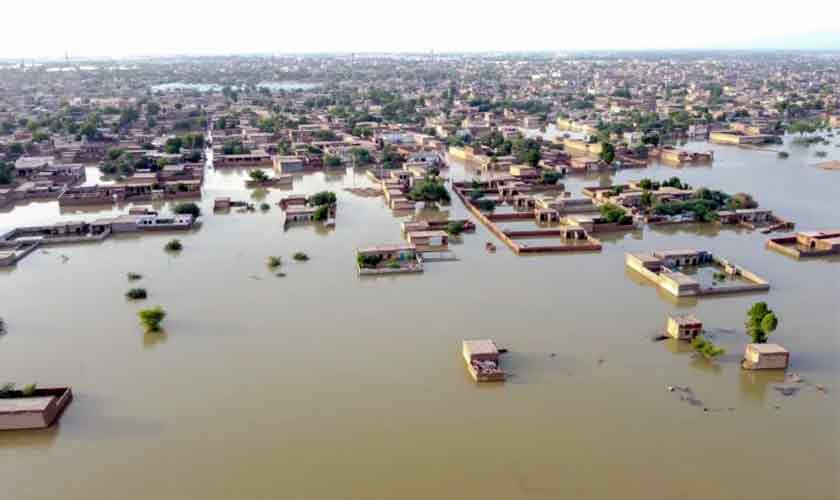
atural disasters affect millions of people worldwide, but their impact is not felt equally. Vulnerable populations, including people with disabilities, the elderly and historically marginalised groups, often bear the brunt of these crises. In Pakistan, where climate-related hazards are increasingly frequent and severe, the need for inclusive disaster management strategies has never been more urgent. I am proud to highlight a landmark achievement that reflects our shared commitment to leave no one behind: the launch of the Inclusive Early Warnings and Alerts system by the National Disaster Management Authority of Pakistan.
This project represents a significant step forward in making disaster resilience accessible to all. For the first time in the country, early warning alerts are now designed to reach the blind and the deaf through specially tailored digital and hard copy formats. These include sign language, audio, video and easy-to-understand materials that ensure that critical information reaches those who have historically been left out of disaster response systems.
The significance of this milestone is critical. Access to timely, comprehensible alerts can mean the difference between life and death, particularly for vulnerable populations who may otherwise be unable to respond effectively to imminent hazards.
Sightsavers has played a leading role in this initiative, leveraging our expertise in disability-inclusive programming and advocacy to help make this system a reality. Our work with the Ageing, Disability and Diversity Task Force has been instrumental in bringing together multiple stakeholders, including government authorities, civil society organisations and international development partners. Through this collaborative platform, we have been able to champion inclusion at both national and provincial levels, ensuring that the voices of persons with disabilities are central to disaster preparedness and response planning.
The launch at NDMA headquarters marked a pivotal moment in advancing inclusive disaster management in Pakistan. With active collaboration among government officials, civil society and welfare organisations, the event underscored the importance of designing systems that prioritise vulnerable populations. Lt Gen Inam Haider Malik, the NDMA chairman, highlighted how the new inclusive early warning system strengthens the country’s capacity to respond to climate-related hazards, ensuring that critical information reaches those who have historically been excluded from disaster preparedness efforts. This effort demonstrates how thoughtful planning and cross-sector collaboration can translate policy commitments into practical, life-saving interventions.
The implications of this initiative are far-reaching. By providing accessible alerts, we are not only protecting lives but also empowering communities to take proactive measures before disasters strike. Women, children, the elderly and persons with disabilities can now receive critical information in a format they understand.
The implications of this initiative are far-reaching. By providing accessible alerts, we are not only protecting lives but also empowering communities to take proactive measures before disasters strike. Women, children, the elderly and persons with disabilities can now receive critical information in a format they can understand, enabling them to make informed decisions and take timely action. This inclusive approach lays the foundation for safer, more resilient communities, reducing the disproportionate impact of disasters on historically marginalized groups.
Beyond immediate disaster response, this project has broader societal implications. It represents a shift in how we think about inclusion, equity and resilience. Traditionally, disaster preparedness strategies have focused on the general population, often neglecting those who face additional barriers.
By integrating disability-inclusive approaches into national early warning systems, Pakistan is setting an important precedent for other countries in the region. This approach demonstrates that inclusion is not an optional add-on but a fundamental component of effective disaster management.
I also foresee this effort catalysing long-term changes in policy and practice. The partnership between NDMA, Sightsavers and organisations such as DeafTawk, CBM Christian Blind Mission, Handicap International – Humanity & Inclusion, Disabled Welfare Association, Nawabshah Disability Forum, FAID, CHEF International, the Special Talent Exchange Programme and the National Forum of Women with Disabilities exemplifies how public-private collaboration can drive systemic change. Together, we are not only implementing inclusive early warning systems but also advocating for broader integration of disability-inclusive practices across health, education and community development sectors.
This project is a powerful example of translating policy commitments into practical action. Visionary leadership by the NDMA has been critical in ensuring that inclusion moves from being a concept on paper to a tangible, life-saving intervention on the ground. It is also a testament to the dedication of civil society organisations, who bring expertise, local knowledge and the trust of communities to the table. At Sightsavers, our mission is to ensure that no one is left behind. This project embodies that commitment.
As we celebrate this achievement, it is important to recognise that this is just the beginning. Continued advocacy, collaboration and innovation are essential to scale and sustain these efforts. We hope that this will inspire other sectors, agencies and countries to prioritise inclusion in their disaster management strategies. The lessons we are learning today will inform not only how we respond to crises but also how we design systems that anticipate and prevent harm for the most vulnerable.
Inclusive disaster management is not just about technology or infrastructure; it is about equity, dignity and human rights. By ensuring that critical information reaches every individual, regardless of ability, we are taking a decisive step toward a more resilient, inclusive and compassionate Pakistan.
The writer is Pakistan and Middle East director at Sightsavers