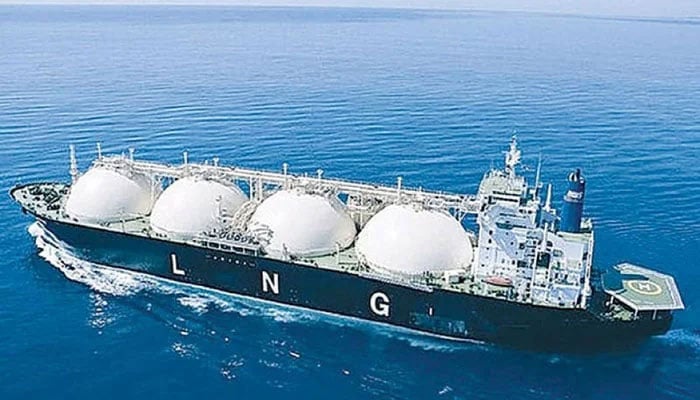
ISLAMABAD: Pakistan will supply domestically produced natural gas to RLNG-based power plants at Rs2,000 per mmbtu to ease an LNG shortage caused by the disruption of imports during the U.S.-Iran conflict, a Power Division official said Tuesday, as the government seeks to keep electricity generation running while limiting the impact on consumer tariffs.
The interim pricing mechanism comes after Qatar suspended LNG shipments to Pakistan following the outbreak of the U.S.-Iran war, leaving RLNG-fired power plants short of fuel. The plants had been relying on imported LNG priced at around Rs3,500 per mmbtu, forcing the government to divert domestic gas supplies to prevent a deeper power crisis.
The official said earlier reports suggesting that domestically supplied gas would be charged at the imported RLNG price were incorrect. Instead, the government has fixed an interim rate of Rs2,000 per mmbtu, striking a balance between protecting consumers from higher electricity costs and limiting revenue losses for gas utilities.
According to officials, Sui gas companies currently sell gas at prices of up to Rs3,500 per mmbtu, while RLNG-based power plants have historically received domestic gas at Rs1,245 per mmbtu. Continuing the lower rate would widen the gas sector’s circular debt, while charging the full RLNG price would translate into higher electricity tariffs.
A summary seeking formal approval of the Rs2,000 pricing mechanism has been submitted to the relevant authorities, the official said.
The move comes as the National Electric Power Regulatory Authority (NEPRA) separately considers an 82-paisa-per-unit increase in electricity tariffs under the May 2026 fuel charges adjustment (FCA), a proposal that could add nearly Rs12 billion to consumers’ electricity bills.
The Central Power Purchasing Agency (CPPA) told the regulator the adjustment reflects the difference between the estimated fuel cost of Rs8.43 per unit and the actual cost of Rs9.25 per unit. It said 12.33 billion units of electricity were sold in May, while overall electricity consumption fell 4.6pc from the previous month.
During the hearing, Nepra member Amna Ahmed questioned whether load management had contributed to the decline in electricity demand. Officials from CPPA and the Power Planning and Monitoring Company attributed the decrease primarily to Eid holidays and relatively cooler weather, rather than increased power outages. The National Power Control Centre reported peak electricity generation of 23,333 megawatts during May.
Consumer and industry representatives opposed the proposed tariff increase, arguing that electricity users should not bear the burden of inefficiencies in the power sector.
Asked when consumers will see relief from the levy imposed on captive power plants, the official said the matter remains tied up in litigation. And that benefits will begin flowing to consumers as soon as the courts settle it.
Imran Shahid of Jamaat-e-Islami cited the prolonged shutdown of the Neelum-Jhelum hydropower project, persistent load-shedding and inadequate transmission infrastructure, adding that Karachi consumers should not be made to pay for operational shortcomings of K-Electric.
Rehan Javed of the Federation of Pakistan Chambers of Commerce and Industry questioned why electricity demand remained subdued despite discounted industrial power packages, warning that textile mills continued to shut down under mounting financial pressure.