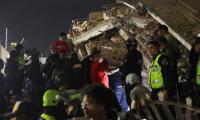
The summer of 2025 was a warning written in heat, water, and grief. Temperatures in Islamabad reached 45°C in June, with weeks of relentless heat preceding the monsoon. When the rains arrived in July, they came not as relief but as devastation. Islamabad and Rawalpindi received over 240 millimeters of rainfall within 18 hours, while a cloudburst in nearby Chakwal unleashed a staggering 449mm. Urban flooding submerged underpasses, swept vehicles from roads, and claimed lives across Punjab. By monsoon’s end, over 1,000 Pakistanis had died, more than 6.5 million were affected, and economic losses reached Rs822 billion.
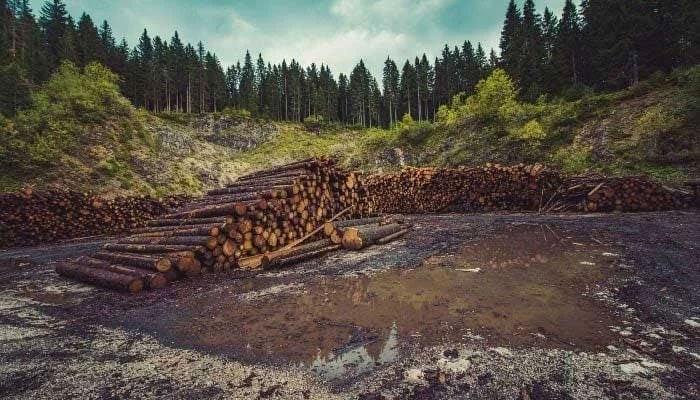
These are not isolated tragedies. They are symptoms of a deepening crisis in which climate variability intensifies extreme weather, disrupts disease patterns, and erodes environmental health. Yet even as the nation absorbed these lessons, a quieter damage was unfolding. The felling of approximately 30,000 trees in Islamabad demonstrates how environmental degradation silently compounds the high risks that extreme weather brings into sharp relief.
Officially framed as a measure to remove invasive paper mulberry blamed for pollen allergies, the true cost of such fragmented decision-making accumulates over time. Mature trees intercept rainfall, reducing the stormwater velocity that overwhelmed drainage systems in July. Their roots stabilize slopes and recharge groundwater. They moderate the urban heat island effect, which during 45°C days poses a direct mortality risk to the elderly and outdoor workers. When we lose trees, we dismantle the city’s natural defenses against the heatwaves and urban flooding that 2025 so harshly demonstrated.
The mental toll deepens this picture. The International Medical Corps reported that psychosocial support became critical for displaced families, with health risks compounded by rising cases of diarrhea, skin infections, and mosquito-borne diseases. Flood survivors faced trauma without access to counseling, especially widows, children, and those who lost livelihoods. When we further degrade urban ecosystems through deforestation, we intensify the environmental stressors that contribute to this psychological burden.
What would an integrated approach look like? A proposed large-scale tree removal would require joint assessment involving ecological, hydrological, and public health expertise. Urban master plans would be stress-tested for heat island dynamics, disease vector ecology, and mental well-being. Climate-sensitive disease surveillance would inform land-use decisions, and vice versa. Dedicated One Health coordination units, cross-sectoral training, and shared data platforms are not bureaucratic luxuries. They are the infrastructure of intelligent governance.
As the next monsoon approaches, the 2025 floods must serve as more than a memory. For Islamabad, this means restoring urban tree cover with native species, protecting drainage corridors from encroachment, mandating green infrastructure in new developments, establishing early warning systems, and creating accessible mental health pathways for climate-affected communities. These are not separate environmental and health agendas. They are the integrated blueprint for a sustainable Islamabad and a resilient Pakistan.
The author is public health specialist, field epidemiologist, senior scientific officer / assistant professor – FETP IDSRS/NIH, [email protected]