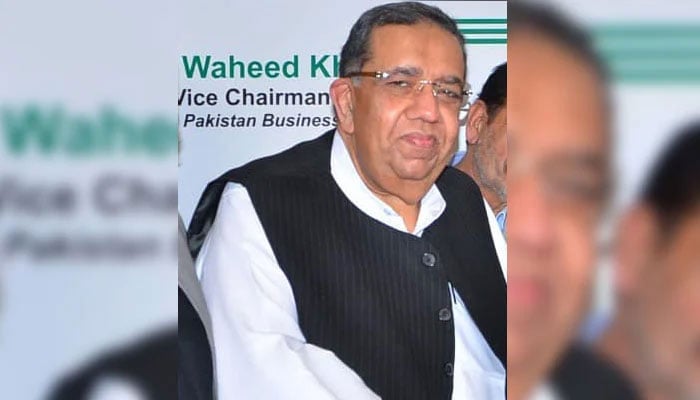
KARACHI: The Pakistan Business Forum (PBF) said Budget FY27 lacks the measures needed to drive export-led growth, revive industry and agriculture, and create jobs, while welcoming limited tax relief for businesses.
PBF President Khawaja Mehboobur Rehman said the government’s target to raise petroleum levy collections by 18 per cent could prolong inflationary pressures by keeping transport and production costs elevated across the economy.
The business body said the budget failed to introduce significant incentives to boost exports and improve Pakistan’s competitiveness in international markets, despite the country’s need to strengthen foreign exchange earnings.
The PBF also criticised the absence of measures to reduce industrial energy costs, arguing that manufacturers operating well below capacity would struggle to expand production without lower tariffs.
“Industry was expecting a more comprehensive package to restore competitiveness and attract investment, but the relief measures announced remain limited,” the forum said in a statement.
The organisation welcomed a two-percentage-point reduction in the Super Tax and the complete removal of the levy for businesses with annual turnover of up to Rs500 million, describing the move as positive for a broad segment of the business community. It also acknowledged relief measures for the real estate and construction sectors.
The forum expressed concern over the expansion of the undocumented economy, citing estimates that the cash economy had grown to Rs12 trillion from around Rs9 trillion within a year. It said the trend reflected weaknesses in efforts to document economic activity.
The PBF also opposed the continuation of the minimum tax on turnover and the alternative minimum tax under Section 113 of the Income Tax Ordinance, arguing that the measures disproportionately affect low-margin businesses regardless of profitability and discourage investment.
On agriculture, the forum said the budget offered little support for the sector despite expectations that the government would reduce sales tax and duties on cotton-related products and agricultural inputs to revive cotton cultivation.
The PBF warned that Pakistan could be forced to import nearly $1 billion worth of cotton this year because of declining domestic output, making national production targets increasingly difficult to achieve.
The organisation added that farmers had anticipated reductions in taxes on fertilisers and other inputs to lower production costs and improve productivity, but such measures were absent from the budget.
The forum also criticised the lack of significant spending cuts despite Pakistan’s fiscal challenges and noted that budget assumptions appeared to be based on an exchange rate of around Rs290 per dollar, suggesting limited expectations for any substantial appreciation of the rupee.
The PBF called for lower sales tax on dairy products and reductions in taxes embedded in electricity tariffs, saying cheaper power was essential for households, agriculture and industry, as well as for improving export competitiveness.
The forum said stronger incentives for industry could have encouraged investment, expanded production and helped generate jobs, noting that Pakistan needs millions of new employment opportunities to support long-term economic growth.
While acknowledging some positive measures, the PBF said the budget leaves key challenges facing industry, exports, agriculture and employment largely unaddressed and urged lawmakers to consider further changes during parliamentary deliberations.