ISLAMABAD: Pakistan’s textile exports remained largely resilient during FY2026, holding steady at $13.5 billion despite a challenging global trade environment and domestic cotton supply constraints.
According to the Economic Survey 2025-26, textile exports recorded only a marginal decline of 0.5 per cent, underscoring the sector’s ability to withstand external pressures through a continued shift towards value-added products.
The textile sector, which remains the backbone of Pakistan’s exports, benefited from sustained demand in key international markets, exchange rate stability, and ongoing export facilitation measures. Growth in value-added segments helped offset weaknesses in some traditional product categories.
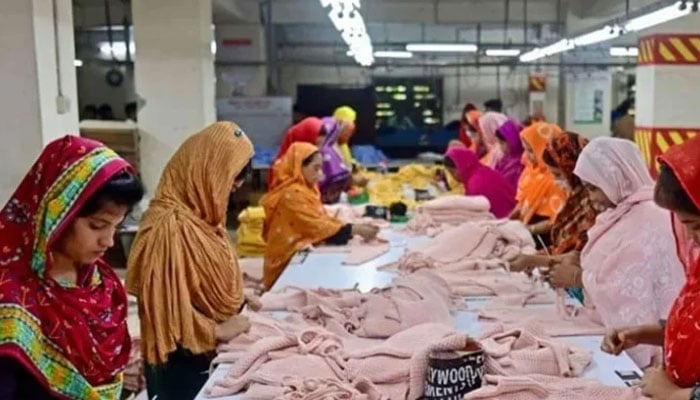
Among the major export categories, readymade garments posted a 3.8 per cent increase, reaching $3.2 billion, while bed wear exports edged up 0.3 per cent to $2.4 billion. The increase was largely driven by higher export volumes, reflecting continued international demand for the country’s value-added textile products.
Knitwear exports, however, slipped by 1.1 per cent to $3.7 billion, mainly due to a moderation in export volumes despite higher unit prices. The sector’s overall performance was also weighed down by a 10.9 per cent decline in cotton cloth exports, highlighting weaker global demand for intermediate textile goods.
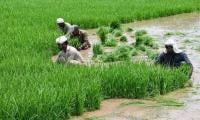
On the supply side, flood-related damage to the cotton crop during the early part of the year affected cotton availability and slowed ginning activity. Despite these challenges, cotton yarn exports increased by 4.4 percent, supported by available raw cotton supplies and steady demand from overseas buyers.
The survey noted that the sector’s performance reflects stronger market positioning, greater emphasis on value addition, and exporters’ ability to adapt to changing global demand patterns. It emphasized that continued policy support aimed at enhancing competitiveness, diversifying export markets, and promoting higher-value products will be critical for sustaining textile export growth in the coming years.