Islamabad:Pakistan's fiscal framework remains heavily focused on managing recurring crises rather than reducing the underlying vulnerabilities that continue to deepen poverty, inequality and climate risks, said experts belonging to Sustainable Development Policy Institute (SDPI) while presenting here a set of pre-budget recommendations.
They called for a decisive shift in fiscal priorities urging policymakers to move beyond short-term stabilisation measures and place human development, climate resilience and productive investment at the centre of economic planning.
"Pakistan is not only facing a fiscal challenge, but also a resilience challenge," said SDPI Deputy Executive Director (Policy), Dr Shafqat Munir Ahmad. He called upon the government to protect and increase allocations for education, health, nutrition and social protection while significantly expanding investments in climate adaptation and disaster preparedness.
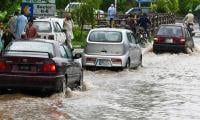
“The country cannot continue financing recovery after every flood, drought and heatwave while underinvesting in prevention, preparedness, anticipatory action and human development," he said adding that the budget should be judged not only by fiscal numbers but also by its ability to reduce poverty, strengthen resilience and safeguard development gains.
Dr Shafqat also called for greater public investment in employment-generating sectors, particularly agriculture, small and medium enterprises (SMEs) and emerging green economic opportunities.
Social spending, he said, should be viewed as an investment in national productivity and economic competitiveness rather than a fiscal burden. On taxation, SDPI Deputy Executive Director (Research), Dr Sajid Amin Javed warned against further increase in the burden on salaried and documented taxpayers. He noted that a large share of direct taxes continues to come from formally employed individuals while significant segments of the economy remain outside the tax net.