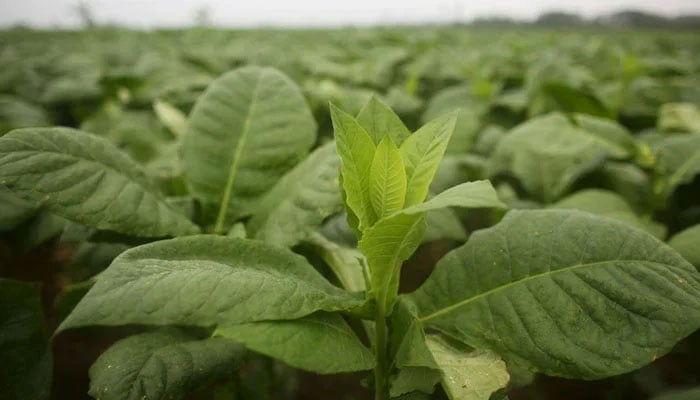
CHARSADDA: The Kissan Board, Pakistan, on Sunday urged the federal government to ensure the timely purchase of tobacco crops and slash taxes imposed on tobacco companies, warning that failure to take immediate action could result in losses of up to Rs47 billion for tobacco growers in Khyber Pakhtunkhwa.
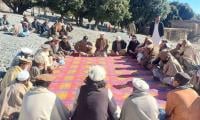
The demand was made during a meeting of the board attended by tobacco growers from various tobacco-producing districts of the province.Addressing the meeting, board’s vice president Rizwanullah Khan said tobacco production in Khyber Pakhtunkhwa was expected to reach 100 million kilograms during the current season.
However, he said, the two major buying companies had awarded agreements to growers for only 32 million kilograms to be purchased.He alleged that due to what he termed as unfair taxes imposed by the federal government and the Federal Board of Revenue (FBR), there were currently no buyers in the market for the remaining 68 million kilograms of tobacco.
According to growers’ leader, heavy taxation had forced local purchasing companies out of business, leaving tobacco growers exposed to potential losses running into billions of rupees.He called on the government to create a favourable business environment for all tobacco-buying companies and immediately abolish taxes imposed on tobacco exports, particularly the advance tax of Rs390 per kilogram.
Such measures, he said, would help revive tobacco trade in both domestic and international markets.He warned that unless the issue of tobacco procurement was resolved without delay, the tobacco industry could face a severe crisis similar to those experienced by other sectors.
Rizwanullah claimed that a prolonged crisis could deprive the federal government of nearly Rs400 billion in annual revenue, while more than 80,000 tobacco farmers could face financial hardship and approximately 50,000 laborers could lose their jobs.
The meeting also decided that letters highlighting the concerns of tobacco growers and the issue of tobacco procurement would be sent not only to the federal government but also to the leadership of all political parties, seeking their support in resolving what participants termed it as a critical agricultural and economic issue.