As Pakistan prepares to unveil the federal budget 2026–27 amid growing environmental pressures and climate-related challenges, the country’s first multi-stakeholder packaging alliance, CoRe Alliance, has urged the federal government to introduce a comprehensive package of fiscal incentives, green financing mechanisms and policy reforms aimed at transforming the country’s waste management and recycling landscape.
In a significant policy intervention ahead of the federal budget, the alliance has formally written to Federal Minister for Climate Change and Environmental Coordination Musadik Malik, Federal Finance Minister Muhammad Aurangzeb, and the State Bank of Pakistan governor, calling for urgent budgetary measures to promote waste collection, recycling infrastructure, circular economy initiatives and green job creation across Pakistan.
The alliance warned that without meaningful policy support and investment incentives, Pakistan risked falling further behind in addressing the growing challenge of packaging waste, environmental degradation and resource inefficiency, all of which were undermining sustainable development and climate resilience.
The CoRe (Collect and Recycle) Alliance describes itself as Pakistan’s first multi-stakeholder packaging alliance dedicated to eliminating packaging waste through collective action and promoting a circular economy model in which materials are reused, recovered and recycled rather than discarded.
The alliance brings together 32 leading organisations, including major manufacturers, recyclers, academic institutions, non-governmental organisations, development agencies and multinational corporations working jointly to advance sustainable waste management solutions in Pakistan.
According to the alliance, modern economic development, improved healthcare systems, food security and global connectivity have all benefitted significantly from packaging technologies and plastics.
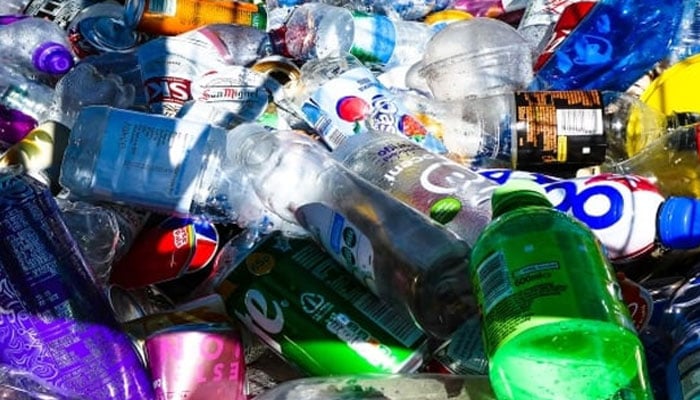
However, these gains have also generated unprecedented volumes of waste, much of which eventually finds its way into streets, drainage networks, rivers, agricultural land and marine ecosystems.
Environmental experts have long warned that unmanaged plastic and packaging waste is emerging as one of Pakistan’s most pressing ecological challenges, contributing to urban flooding, pollution of waterways, threats to biodiversity and growing public health concerns.
Sheikh Waqar Ahmad, chief executive officer and founding director of the CoRe Alliance, said the upcoming federal budget presented a crucial opportunity for policymakers to strengthen Pakistan’s recycling ecosystem through targeted fiscal measures.
He stressed that the government could use the budget as a powerful tool to encourage investment in recycling infrastructure, formalise waste collection systems and expand access to green financing.
According to him, such reforms would not only strengthen environmental protection efforts but also contribute directly to Pakistan’s broader climate reform agenda and support policy initiatives associated with international climate financing frameworks.
He noted that investments in collection and recycling systems could help reduce waste leakage into the environment while simultaneously generating employment opportunities and fostering a more resource-efficient economy.
In its submissions to federal policymakers, the CoRe Alliance outlined a series of recommendations that it believed could significantly accelerate Pakistan’s transition towards a circular economy.
Foremost among these was the availability of dedicated green financing facilities through the State Bank of Pakistan to support waste collection and recycling initiatives. The alliance argued that easier access to financing would encourage private sector investment in modern recycling facilities and collection systems.
Another major proposal was the introduction of a five-year tax holiday for both new and existing collection and recycling projects, including packaging recovery organisations operating across multiple cities.
The alliance also sought tax rebates and financial incentives for companies that successfully achieved recycling targets or manufacture packaging using recycled materials. Such incentives, it said, would encourage businesses to integrate recycled content into their production processes and reduce dependence on virgin raw materials.
To lower the cost of establishing recycling infrastructure, CoRe proposed exemptions from sales tax and customs duties as well as a zero-tariff regime on the import of recycling equipment.
The alliance further called for the exemption of general sales tax (GST) on waste sorting, collection and recycling services. It argued that such a move would help formalise Pakistan’s vast informal waste collection sector, improve working conditions and increase investment in organised waste management systems.
In addition, CoRe recommended abolishing or substantially reducing duties on reverse vending machines, which were increasingly being used globally to facilitate the collection of plastic packaging waste through consumer return systems.
The final recommendation focused on incentivising plastic-to-fuel infrastructure and related industries capable of converting certain waste streams into usable energy products.
Babar Aziz Bhatti, chairperson of the alliance’s Extended Producer Responsibility (EPR) Committee and Green Earth Recycling CEO, said Pakistan’s recycling industry possessed enormous untapped economic and environmental potential.
He observed that strategic policy support could significantly improve recycling rates, reduce the amount of packaging waste escaping into the environment and help build a more sustainable and resource-efficient economy.
Industry stakeholders argue that Pakistan currently loses substantial economic value because recyclable materials often end up in landfills, open dumping sites or natural ecosystems rather than being recovered and reintroduced into productive use.
The alliance has linked its proposals to Pakistan’s broader climate commitments and ongoing efforts to enhance environmental resilience.
In its letters to federal authorities, CoRe maintained that budgetary incentives for recycling and collection systems could complement reforms associated with the Resilience and Sustainability Facility (RSF) and other climate-related initiatives being pursued in coordination with international financial institutions.
The alliance said encouraging investment in recycling infrastructure would not only reduce environmental damage but also strengthen Pakistan’s ability to meet climate objectives, improve resource efficiency and create new avenues for sustainable economic growth.
Earlier this year, the CoRe Alliance submitted a comprehensive white paper on a harmonised and phased Extended Producer Responsibility (EPR) framework to the Ministry of Climate Change and Environmental Coordination.
The proposed framework sought to establish a structured mechanism under which producers, importers and brand owners would assume greater responsibility for the collection and recycling of packaging waste generated through their products.
Environmental analysts believe that effective implementation of EPR policies could transform Pakistan’s waste management sector by shifting the financial burden of waste recovery away from local governments and encouraging businesses to invest directly in collection and recycling systems.
As Pakistan faces mounting challenges from pollution, unmanaged waste, climate change and resource scarcity, environmental advocates argue that the 2026–27 budget could become a defining moment in shaping the country’s sustainability trajectory.
The CoRe Alliance has urged policymakers to view recycling not merely as an environmental obligation but as a strategic economic sector capable of generating green jobs, attracting investment, reducing pollution and advancing climate resilience.
With the federal budget expected to set the policy direction for the coming fiscal year, the alliance’s proposals have placed recycling, circular economy development and sustainable waste management firmly on the national policy agenda, raising expectations that environmental considerations will receive greater prominence in Pakistan’s economic planning than ever before.