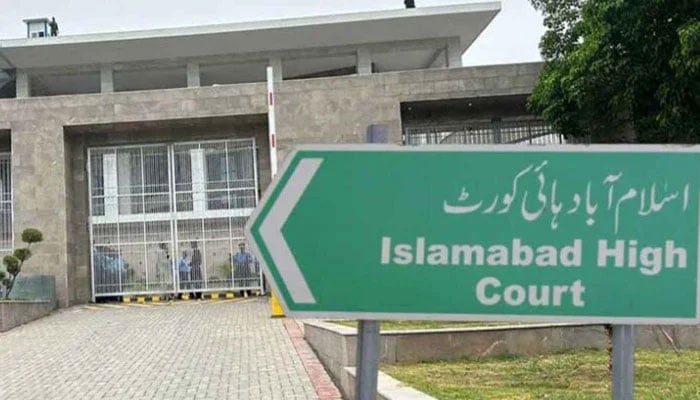
ISLAMABAD: The Islamabad High Court (IHC) has set aside a decision barring 10 Trade and Investment Officers from overseas postings on the basis of an intelligence agency report, and directed the Ministry of Commerce to issue them appointment letters for foreign assignments.
In a detailed 26-page judgment, Justice Inam Amin Minhas allowed the petitions filed by the officers and declared illegal the decision to withhold their security clearances on the basis of a “Not Suitable” recommendation in an intelligence report. The court also ruled unlawful the re-advertisement of the posts approved by the prime minister.
The judgment said the court had not been informed of the contents of the intelligence report on the basis of which the officers were declared unsuitable. It observed that administrative decisions taken without any tangible material were arbitrary and unreasonable under established judicial precedents.
The court noted that the Ministry of Commerce repeatedly failed to place the alleged intelligence report on record despite court directions and did not provide the petitioners an opportunity to respond to any adverse material. It also observed that no notification or order was produced to establish that the report was classified.
According to the judgment, ministry officials admitted they had not read the complete intelligence report and had merely acted on the “Not Suitable” recommendation to deny security clearance.
The court held that while judicial restraint was warranted in matters involving policy and security, such decisions must still comply with legal requirements and principles of due process.
Directing the Ministry of Commerce to issue posting letters to the petitioners, the court ordered that all formalities be completed within 30 days and that the officers be allowed to assume charge at Pakistan’s trade missions abroad without delay.
The judgment further noted that no adverse material regarding the petitioners had been presented before the court. It said the officers had successfully cleared all tests and interviews and were included among 28 candidates selected on merit.
The court described the case as a “classic case” of discriminatory treatment and a violation of Article 25 of the Constitution, noting that 18 of the 28 successful candidates had already been posted abroad while the petitioners had been denied the same opportunity.
It also ruled that the approved merit list could not be vetoed or cancelled without lawful reasons and held that the Ministry of Commerce had sought fresh advertisement of the posts despite the existence of a waiting list, a move the court found inconsistent with applicable rules and Secretariat Instructions, 2021.