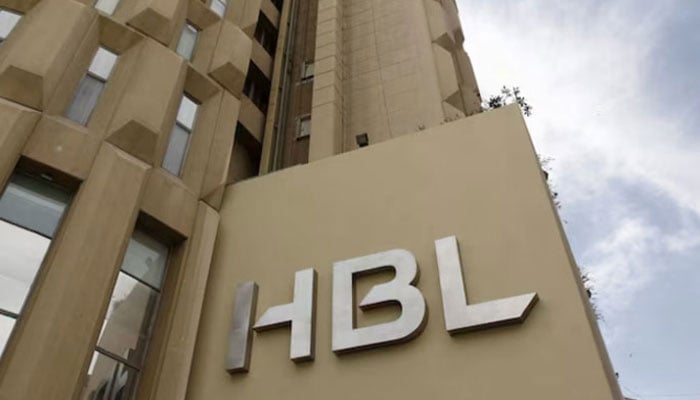
KARACHI: Pakistan’s manufacturing activity returned to growth in May, although rising cost pressures and weak employment trends continued to cloud the outlook, according to the latest HBL Manufacturing Purchasing Managers’ Index (PMI), compiled by S&P Global.
The index rose to 50.9 in May from 49.9 in the previous month, moving just above the 50-point threshold that separates expansion from contraction. While the headline reading signals a recovery in activity, underlying indicators suggest emerging stagflationary pressures linked to ongoing US-Iran tensions.
New orders returned to growth during the month, although the pace of expansion remained modest and below the long-term average. Export orders, however, expanded at their fastest pace since February 2025, supported by improved international demand conditions.
Despite the recovery in orders, overall production remained broadly unchanged as gains were offset by rising input costs and continued supplier delays.Labour market conditions weakened further, with employment declining for a second consecutive month amid subdued demand. At the same time, input purchasing fell at its sharpest rate since October 2025, as manufacturers opted to draw down pre- and post-production inventories rather than procure inputs at elevated prices.
Commenting on the data, Humaira Qamar, head of equities and research at HBL, said business confidence regarding future output had fallen for a sixth consecutive month to a record low.She noted that manufacturers continue to cite persistent inflationary pressures and elevated raw material costs as key risks to the outlook.
“This ongoing deterioration in sentiment, despite the headline PMI returning above the 50 threshold, raises questions over whether the recent stabilisation in activity can be sustained in an increasingly challenging environment,” she said.
Qamar added that monetary policy remains a key source of uncertainty. With the State Bank of Pakistan having already taken a pre-emptive tightening stance, the future path of interest rates will depend on developments in the Middle East.
The report also noted that delays in the publication of gross domestic product (GDP) data often hinder timely policy and investment decisions. While GDP remains the primary measure of economic performance, its lag reduces its usefulness for real-time analysis. In contrast, the PMI is highlighted as a leading indicator, offering more immediate insights into economic activity and stronger cross-country comparability.