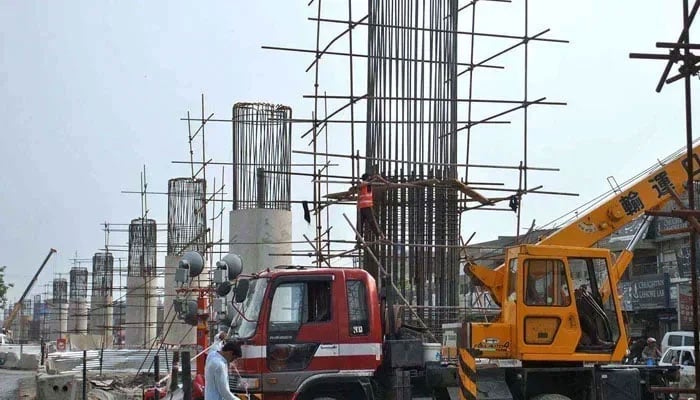
LAHORE: Pakistan’s development strategy is not merely the shortage of funds but the inefficient use of the resources that are available. Numerous development projects launched a decade or more ago remain incomplete.
During these prolonged delays, construction costs, land prices, and financing expenses have multiplied several times over, turning once-feasible projects into expensive burdens on the national exchequer. Pakistan’s current development strategy is structurally broken. Projects launched over a decade ago remain stuck in bureaucratic limbo, their completion dates perpetually pushed into the future. Because of these chronic delays, the cost of these initiatives has quadrupled, creating a massive, compounding burden on the national exchequer. Yet, the cycle repeats without pause. New, high-profile projects are frequently launched with immense pomp and show.
Specifically, the coming development budget allegedly contains Rs70 billion earmarked for projects proposed by individual National Assembly members, alongside an additional Rs80 billion for members belonging to the ruling coalition. This money is designated to be spent under the direct guidance and supervision of MNAs for petty works. Historically, these minor community interventions fall under the purview of local governments. However, because Pakistan either lacks a local government system entirely or operates with dysfunctional ones, these massive sums are disbursed through fragmented, politically driven channels rather than cohesive regional planning.
Yet whenever fiscal pressures emerge, development expenditure becomes the first casualty, while unproductive expenditures continue largely untouched. The result is visible everywhere — in deteriorating infrastructure, inadequate public services and declining economic competitiveness.
Despite this poor track record, new schemes continue to be announced every year with considerable fanfare. Many of these projects are approved despite the knowledge that sufficient funding will not be available to complete them within the prescribed timeframe. As a result, scarce resources are spread thinly across hundreds of schemes rather than concentrated on completing high-priority projects. This approach guarantees delays, cost overruns, and diminished economic returns.
The government must undertake a comprehensive review of all ongoing development projects. Schemes that have remained dormant for years should be re-evaluated on economic and social grounds. Some projects were launched primarily for political appeasement rather than genuine developmental needs. Continuing to fund such projects simply because money has already been spent on them is poor economic policy. Decisions should be based on future benefits rather than past expenditures.
Infrastructure development is equally important. Countries that have achieved rapid economic transformation have invested heavily in roads, logistics, communication networks, energy systems, and industrial infrastructure. Pakistan cannot hope to compete regionally without addressing these deficiencies. However, given limited resources, development spending must be prioritised carefully.
Projects that directly improve productivity should receive preference. Better road connectivity, efficient transport networks, modern communication systems, reliable energy distribution, and infrastructure that supports industry and exports can generate substantial economic benefits. Equally important is reforming inefficient public utilities that continue to drain national resources.
The country’s fiscal constraints make prioritization unavoidable. Every available rupee should be directed toward investments that expand productive capacity and improve long-term growth prospects. If spending cuts become necessary, they should come from administrative excesses, privileges, and non-development expenditures rather than from education, healthcare, and infrastructure budgets.
Pakistan’s experience since 2007 demonstrates the consequences of neglecting development. Infrastructure gaps have widened, public services have deteriorated, and investment in human capital has lagged behind regional competitors. Sustainable economic growth cannot be achieved through consumption and borrowing alone. It requires consistent, disciplined, and productivity-focused development spending. Until development becomes the government’s foremost priority, Pakistan will continue to struggle with the same cycle of economic underperformance that has held it back for decades.