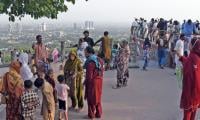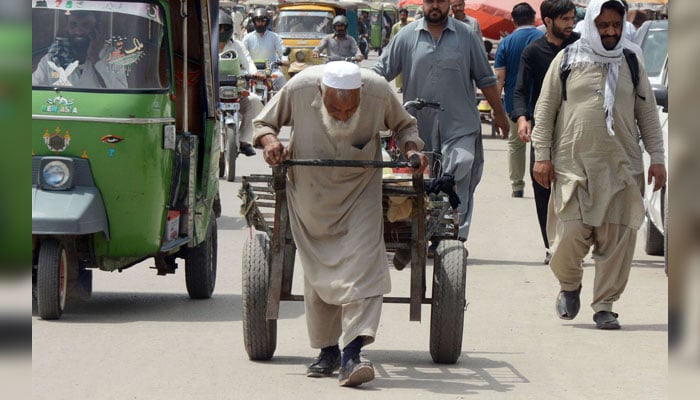
Rawalpindi:Urban growth, traffic strain, and civic challenges shape daily life in garrison city. The twin city of Islamabad continues to expand at a rapid pace, but Rawalpindi itself is facing increasing pressure on its infrastructure, with residents calling for urgent improvements in traffic management, water supply, and sanitation systems.
“Once known primarily as a garrison town and gateway to the northern areas, Rawalpindi has evolved into a densely populated urban center. However, this growth has not been matched by proportional upgrades in civic amenities, leading to mounting concerns among citizens and urban planners alike, says Mohsin Zaidi.
“Traffic congestion has worsened. Commuters across key arteries such as Murree Road, Committee Chowk, and Saddar reported prolonged delays during peak hours this week. The rise in private vehicles, combined with ongoing road encroachments and insufficient public transport options, has intensified gridlock in central business districts,” says Sajid Rizvi.
“Transport experts note that without a structured mass transit expansion beyond existing routes like the Metro Bus system, congestion will likely worsen in the coming years,” adds Sajid Rizvi.
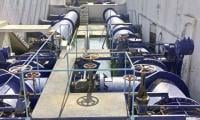
“Water and sanitation issues persist. Several localities, including Dhoke Kala Khan, Sadiqabad, and areas near Adiala Road, continue to face irregular water supply. Residents report dependence on private water tankers, increasing household expenses,” says Syed Salman Shah.
“Sanitation conditions in low-lying neighborhoods have also drawn complaints, particularly after seasonal rains, when drainage systems struggle to cope with runoff, leading to waterlogging and hygiene concerns,” says Batool Zahra.
“Civic bodies have been under pressure. Officials from the Rawalpindi Municipal Corporation acknowledge the challenges but cite budgetary constraints and rapid urbanization as key obstacles. Efforts are reportedly underway to improve waste management services and upgrade sewerage lines in phases, says Salma Haider.
“Urban development analysts argue that better coordination between provincial authorities and civic agencies is essential to address long-standing structural issues,” says Seemen Naqvi.
“Residents demand long-term planning. Citizens and civil society groups are urging authorities to shift from short-term fixes to comprehensive urban planning. They stress the need for investment in sustainable transport, water conservation systems, and stricter enforcement of building regulations,” says Baqir Hussain.
“Rawalpindi is expanding faster than its infrastructure can handle. Every year the problems get worse, but solutions remain temporary,” says Nadeem Hasan, one local resident near Saddar.
“The lack of a forward-looking master plan in the rapidly expanding city, remains a matter of public concern and reflects poorly on the city fathers and local administrative bodies,” adds Nadeem.
“The non-existence of such a plan even in 2026 underscores a long-standing gap in strategic urban governance and reflects years of organizational indecisiveness,” says Hasrat Ali.Mateen Alvi says, “As the city continues to grow alongside the federal capital, the demand for a more organized, livable Rawalpindi is becoming increasingly urgent.”