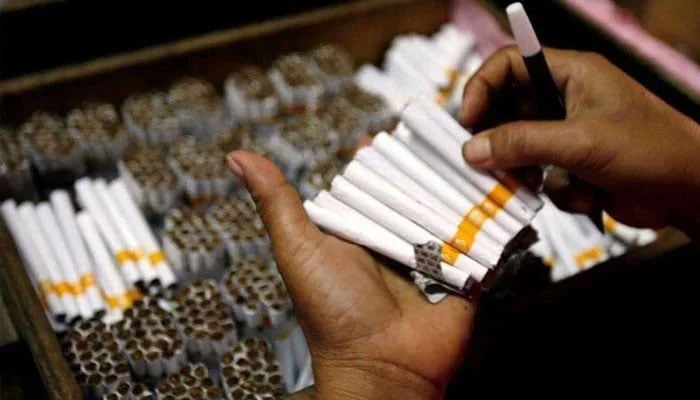
ISLAMABAD: Tobacco use claims an estimated 164,000 lives every year in Pakistan and causes economic losses exceeding Rs1.8 trillion ($6.6bn) annually.
According to the World Health Organisation (WHO), the economic loss is almost seven times greater than tobacco industry’s total tax contribution of approximately Rs265 billion ($950m).
The WHO warned that enormous health and economic burden caused by tobacco in Pakistan far outweighs any revenue generated through cigarette taxes. It also noted children and adolescents remain increasingly vulnerable to aggressive marketing strategies and addiction tactics used by tobacco and nicotine companies.
To mark the World No Tobacco Day on May 31, WHO launched its 2026 global campaign under the theme “Unmasking the Appeal – Countering Nicotine and Tobacco Addiction”. The campaign highlights how tobacco and nicotine industries continue to redesign and repackage their products to attract new generations of users, particularly children and young people.
According to WHO, tobacco-related economic losses in Pakistan exceed Rs1.8 trillion (around $6.6 billion) annually, while tobacco taxes generated only about Rs265 billion (roughly $950 million) in 2025. The organisation noted economic damage caused by tobacco is nearly seven times greater than industry’s contribution to government revenues.
“Tobacco is a killer. Tobacco is killing our loved ones and our families. It also has a devastating impact on public health and on our economies,” said WHO Representative in Pakistan, Dr Dapeng Luo.
“Tobacco kills up to half of its users who do not quit. Make no mistake, all tobacco products on the market, legal and illegal, without exception, are extremely toxic and dangerous,” he added.
The WHO stressed all tobacco and nicotine products, including cigarettes, smokeless tobacco, e-cigarettes, nicotine pouches and other nicotine-delivery products, pose serious health risks and can lead to addiction, disease and premature death.
Health experts say tobacco remains one of leading preventable causes of death in Pakistan, contributing to cardiovascular diseases, strokes, chronic respiratory illnesses and various forms of cancer, while placing a significant burden on families and country’s healthcare system.
The WHO acknowledged Pakistan’s efforts to control tobacco use since ratifying WHO Framework Convention on Tobacco Control (FCTC) in 2004. It continues to provide technical assistance to the Ministry of National Health Services, Regulations and Coordination and Federal Board of Revenue on tobacco taxation policies and implementation of track-and-trace systems.
However, the agency pointed out the Federal Excise Duty on cigarettes has not been increased since February 2023, effectively making tobacco products more affordable despite inflation and rising incomes. It also noted Pakistan’s tobacco tax rates remain below WHO’s recommended benchmark of 75pc of retail price.
The organisation emphasised increasing tobacco taxes is among most effective public-health measures. Higher taxes can reduce tobacco consumption, discourage young people from starting to smoke, generate additional government revenue and lower healthcare costs associated with tobacco-related diseases.
The WHO highlighted growing concerns over nicotine addiction among children and adolescents worldwide. New estimates show at least 40 million children aged 13 to 15 currently use tobacco products globally. Of these, around 20 million smoke cigarettes, while another 10 million use smokeless tobacco products.
At least 15 million adolescents aged 13 to 15 are already using e-cigarettes. The WHO noted in countries where data is available, children are, on average, nine times more likely than adults to vape.
The agency warned nicotine is highly addictive and particularly harmful to children, adolescents, and young adults because their brains are still developing. Early nicotine exposure can impair attention, learning, mood regulation and impulse control, while increasing the risk of lifelong addiction.
The WHO also expressed concern about rapid growth of nicotine pouches, which are increasingly marketed through social media influencers, colourful packaging, youth-oriented branding and candy-like flavours designed to appeal to younger consumers.
According to WHO, nearly 160 countries still lack specific regulations governing nicotine pouches despite rapidly rising global sales, leaving millions of young people vulnerable to addiction.
Globally, tobacco use kills more than seven million people every year, including approximately 1.6 million non-smokers who die from exposure to secondhand smoke. Tobacco remains one of leading causes of preventable death worldwide and is linked to cardiovascular disease, respiratory illnesses and more than 20 different types of cancer.