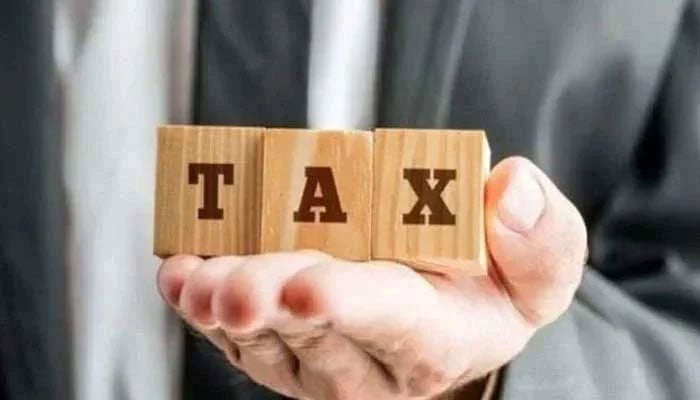
When Pakistan introduced the Super Tax in 2015, it did so in the language of an emergency. The levy was intended to meet exceptional rehabilitation and security-related costs at a moment of acute fiscal strain. Above all, it was defended as temporary: a tightly framed response to extraordinary circumstances.
A decade later, that assurance has worn thin. What began as an exceptional measure has hardened into a recurring and expanding charge on the formal economy. It may have provided short-term relief to the exchequer, but the higher cost has been borne in weaker investment, diminished confidence and slower growth.
Pakistan already asks more of its compliant taxpayers than a prudent growth strategy can sustain. To keep loading the same narrow base is to leave less room for reinvestment, blunt export competitiveness and unsettle both domestic and foreign capital. A tax proclaimed as temporary but allowed to linger for years also corrodes something less visible, though no less vital: trust in the state to keep faith with its own commitments.
If Pakistan is serious about restoring investment, expanding exports and recovering economic confidence, it should begin phasing out the Super Tax now – carefully, credibly and by deliberate design.
This is not a case for fiscal indulgence. Pakistan’s budget remains constrained by debt servicing, defence obligations, subsidies and a chronically weak revenue effort. That is precisely why reform must be orderly and rules-based: to preserve stability while easing pressure on productive, documented activity.
The first principle of reform is straightforward: income that is already taxed, reflects ordinary savings, or remains notional rather than realised, should not be swept into the Super Tax base. That would make the levy less distortive without materially weakening the revenue position.
Dividends offer the clearest example. They are taxed first at the corporate level and again at the shareholder level through withholding tax. Layering the Super Tax on top is to tax the same stream once more, weakening listed companies and dimming the appeal of capital markets. The same logic extends to annual profit on debt up to Rs5 million. In an era of high inflation and elevated interest rates, many savers are not collecting windfalls; they are merely trying to preserve the value of their money. Penalising formal savings only nudges capital away from the documented economy.
Capital gains that are already taxed, or deliberately exempted, under the existing regime should likewise fall outside the levy. Otherwise, Pakistan ends up taxing the same economic gain more than once. For listed securities, the combined effect of capital gains tax, dividend taxation and Super Tax makes equity investment less attractive than in competing regional markets, at precisely the moment the country needs deeper pools of patient capital. The same principle should apply to notional foreign income taxed under controlled foreign company rules, where no cash may ever have been received.
The structure of the levy itself also needs repair. In its present form, it creates cliff effects, so that crossing a threshold can trigger a sudden leap in liability. A fairer model would exempt income below the first threshold and apply the tax only marginally above each band.
The strongest case for an early taper lies with exporters. Pakistan speaks often of export-led growth, yet exporters continue to contend with high energy prices, expensive credit, logistical bottlenecks and chronic policy uncertainty. To keep the Super Tax in place on top of these burdens is to pull policy in the opposite direction. Relief for export profits should begin at 50 per cent in FY2026/27, rise to 75 per cent in FY2027/28 and end in full withdrawal by FY2028/29. That would strengthen competitiveness, encourage reinvestment and demonstrate that growth is intended as policy rather than rhetoric.
For non-export manufacturing, the taper can be slower but must still be certain: 40 per cent in FY2026/27, 60 per cent in FY2027/28, 80 per cent in FY2028/29 and full withdrawal in FY2029/30. Other sectors could begin with 25 per cent relief in FY2026/27 and move in annual 25-point steps until the levy disappears in FY2029/30. Predictability matters. It allows businesses to plan and gives the state time to adjust.
The obvious objection is revenue. Pakistan cannot wish away its fiscal constraints, nor can it construct a durable tax system by pressing ever harder on the same documented sectors. That may yield short-term receipts, yet it also deters investment, slows growth and, in time, narrows the very base on which the state depends.
That is why phasing out the Super Tax must be paired with wider reform: bringing under-taxed sectors into the net, improving documentation in wholesale, retail and real estate, reducing leakages, rationalising exemptions, strengthening digital administration and imposing greater discipline on public spending. Over time, stronger growth, higher exports and better compliance would offset part of the fiscal cost and leave the revenue system on sounder foundations.
In the end, this is about more than a single levy. It is about the kind of fiscal compact the state wishes to offer – one built on temporary burdens that quietly become permanent, or one that is predictable, competitive and aligned with growth. A government that taxes emergencies as though they were normal should not be surprised when confidence begins to fray.
Pakistan needs a tax policy that raises revenue without punishing investment and supports growth without taxing it away. Allowing the Super Tax to recede, at last, from emergency measure to historical footnote would be a sound place to begin.
The writer is a former CEO of Unilever Pakistan and of the Pakistan Business Council.