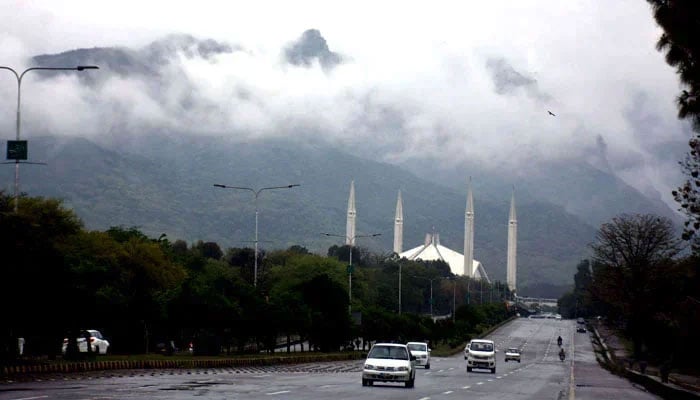
- the fact that Pakistan is quietly losing one of its most valuable resources - its forests, with illegal logging by the powerful timber mafia and urbanisation being the major threats. People say addressing these issues in a highly populated country is difficult but protecting forests is also not just the government’s responsibility, it requires public awareness and collective action because if we fail to act now, the environmental cost will be far greater in the future.
- the report that Pakistan ranks among the ten most affected countries for food insecurity which is sad considering that we were once the most secure because of our fertile lands and waterways. People say unfortunately more and more of these fertile lands are being taken over by greedy developers who are turning them into concrete jungles, with the result that we have to import even popular food items like lentils (dals) which are a staple with the underprivileged of our society.
- the fact that the government proudly speaks of ‘Digital Pakistan’, biometric governance and technological modernisation, yet behind these announcements lies a painful and deeply uncomfortable question: What value does this digital progress hold, people say, if vulnerable citizens are still forced to prove they are alive by physically standing before a counter, as demanded by banks? Pakistan cannot claim digital transformation while forcing elderly citizens into impossible physical verification requirements that technology has already rendered unnecessary and redundant.
- In Pakistan, mobile data is no longer a luxury but a necessity, yet it is becoming increasingly difficult to afford and for students attending online classes, freelancers and individuals relying on basic communication apps, this is far from a minor inconvenience. People say connectivity should not feel like a luxury when it has become essential for education, employment, and communication. If this trend continues, affordable internet will become increasingly inaccessible, making it harder for many people to work, study and stay connected.
- the ongoing operations against drug and ‘gutka’ sellers across the country which is a positive step and deserves appreciation but it will not solve the problem until the manufacturers and suppliers are apprehended. People say small vendors and shopkeepers face action as authorities are hitting the bottom of the chain, while the real culprits remain safe, so they should shift focus from small vendors and street level users to the actual suppliers and manufacturers if they want to succeed.
- the fact that more than 25.37m children between the ages of five and sixteen are currently out of school in Pakistan while approximately 9.60m children are deprived of basic education as was admitted by a minister in the National Assembly. People say this is shocking news and education authorities in all provinces should be questioned as to why this is happening, especially since the govt is frequently announcing grandiose schemes about how it is tackling the problem.
- how unplanned construction, deforestation and industrial growth have resulted in air and water pollution, loss of green spaces and increased waste production. People say the consequences of this damage are becoming more visible every day with rising temperatures, poor air quality and water shortages which are directly affecting the health and well-being of citizens, while urban flooding and climate related issues are also increasing due to the destruction of natural drainage systems and the excessive use of concrete. —