ISLAMABAD: Pakistan’s much-publicised cotton revival plan approved by a high-powered committee led by Muhammad Ishaq Dar has virtually stalled amid bureaucratic red tape, triggering alarm within the textile industry that another cotton season may already have been lost due to official inaction.
In a strongly worded letter dated May 20, 2026, Kamran Arshad, chairperson of the All Pakistan Textile Mills Association (Aptma), informed Deputy Prime Minister Ishaq Dar that despite clear decisions approved during the sixth meeting of the Cabinet Committee on Essential/Cash Crops held on October 22, 2025 under his chairmanship, “no concrete measures have yet been initiated in any of the areas,” even after repeated reminders to the government.
The association said the continued delay in implementing the cotton revival roadmap had already caused Pakistan to miss the ongoing cotton sowing season, while the country now risked importing massive quantities of cotton once again at the cost of billions of dollars in foreign exchange.
“The continued non-implementation of the approved roadmap is causing serious concern within the cotton sector and undermining the national objective of cotton revival,” Aptma wrote to Dar while seeking his “urgent personal intervention”.
The dispute relates to a reform package unanimously approved by a deputy prime minister-led committee, bringing together federal and provincial officials, researchers and industry stakeholders to revive the struggling cotton sector.
According to official minutes issued by the Ministry of National Food Security & Research, the committee approved restructuring the Pakistan Central Cotton Committee (PCCC) into a new Pakistan Cotton Advisory Council (PCAC), introducing industry-led governance, shifting cotton cess collection to the Federal Board of Revenue (FBR), and earmarking 70 per cent of cess funds exclusively for cotton research and development.
The meeting had also directed that the cotton industry be given majority representation in the governing structure to ensure “ownership of the cotton revival process,” while the deputy prime minister instructed officials to finalise the institutional mechanism “at the earliest”.
However, more than six months later, not a single major structural reform appears to have been operationalised. Aptma reveals mounting frustration over what the industry sees as classic bureaucratic obstruction and administrative inertia inside the government machinery.
In an earlier letter to Minister for National Food Security and Research Rana Tanveer Hussain, the Aptma chairperson reminded the ministry that officials had assured implementation before the start of the cotton season during a January 29 meeting.
Despite those assurances, the association complained that “no concrete action, notification or implementation roadmap” had been shared.
Aptma sent another sharply worded reminder and warned the ministry that the delay was “fraught with gross national loss,” especially as cotton sowing had already started in various parts of the country.
The industry body said repeated representations had yielded no results and criticised authorities for failing to initiate even basic implementation measures despite the passage of considerable time after the cabinet committee’s approval.
Aptma now demands the immediate issuance of notifications for the operationalisation of the PCAC; legal amendments for FBR-led cess collection; activation of the 70 per cent R&D funding mechanism; constitution of the industry-led governance structure; and a clear implementation timetable.
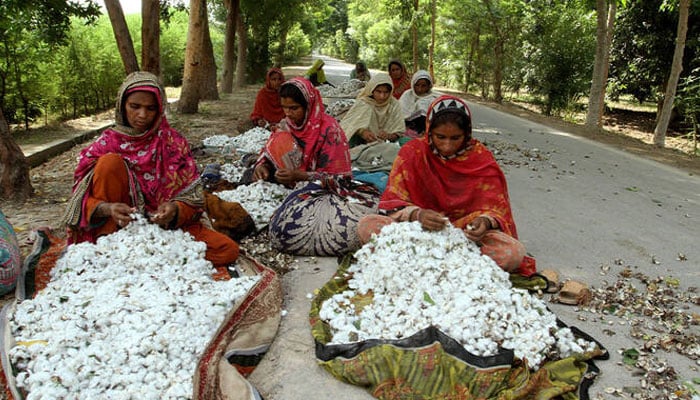
Pakistan’s cotton production has been in persistent decline for years due to weak seed systems, climate stress, pest attacks, poor research performance and inconsistent policymaking. The country, once a major cotton producer, has increasingly relied on imported cotton to sustain its textile industry.
Officials themselves acknowledged many of these structural failures during the October 2025 meeting.
Official minutes show the Ministry of National Food Security secretary attributed PCCC’s weak research performance to chronic funding shortages, noting that cotton cess rates have been unchanged since 2011. The committee backed Aptma’s proposal to route cess collection through the FBR and direct most funds to cotton R&D.
Despite consensus and political backing, implementation remains stalled in bureaucratic delays. Industry stakeholders warn this could undermine the cotton revival plan and increase reliance on imports amid external financing pressures. With sowing underway and reforms pending, the textile sector says a key opportunity to revive the crop may be slipping away.