The Strait of Hormuz has been disrupted by war-related blockades. The oil supply line is choked and prices are skyrocketing, posing serious economic challenges for the global economy. Rising oil prices are hitting hard, and the global economic outlook is rapidly changing.
Economic growth is being adversely affected in the current situation. Pakistan, as a neighbour of the war theatre, is one of the worst-hit countries, facing multiple challenges ranging from declining exports, depressed growth and inflationary pressures to low investment, revenue shortfalls and the burden of unsustainable loans.
US President Trump’s Freedom Project to restore smooth trade through the Strait of Hormuz is underway, though it may take time. In the meantime, rising oil prices are adding to the woes of the general public, hitting the poor the hardest. The irony is that the export base has never been diversified or expanded. Industry is already suffering from high energy prices and multiple taxes, disrupting the entire manufacturing sector. Exports are rapidly losing ground due to being uncompetitive in the global market. The whole supply chain is under pressure due to external economic shocks. There is an urgent need to devise emergency as well as long-term plans to tackle the crisis.
The economic challenges include energy and inflation shocks stemming from the Middle East conflict. Brent crude has hit $120 per barrel, resulting in double-digit inflation. Urea prices are projected to rise by 60 per cent, disrupting the agriculture sector, which is the mainstay of Pakistan’s economy and contributes around 23 per cent to GDP. Pakistan’s foreign exchange reserves stood at just $16.4 billion at the end of March, barely enough to cover three months of imports. The reserves would effectively be negative if central bank forex liabilities were included. Low investment, revenue shortfalls, the trade deficit and food and climate vulnerabilities are additional challenges that require sound economic planning by policymakers.
The fact is that no country can progress without industrialisation, especially heavy industry. Total exports of around $30 billion are a matter of serious concern for a country like Pakistan, with a population of almost 250 million people, making it the fifth most populous country in the world. The lack of industrialisation and economic growth is one of the main reasons for the country’s prevailing unemployment and poverty. Rising production costs, driven by high energy prices and excessive taxation, are making the local industry uncompetitive. That is the real disaster.
Debt sustainability concerns have resurfaced following the repayment of around $5 billion in loans and liabilities, including euro bonds, over the last month. The challenge has been managed through another loan facility from a friendly country. Economists and financial experts have long warned that the debt trap may tighten its grip on the national exchequer in the future. This calls for a long-term economic strategy grounded in cautious, prudent financial policies.
The crisis is that the country is taking on new loans to repay existing ones. Pakistan is trapped in severe debt, and there appears to be no strategy for retiring this enormous burden. It is deeply worrying that on an official level little is being done beyond tracking how much Pakistan has borrowed. Meanwhile, the Economic Affairs Division remains focused on securing more loans. That is the irony. There seems to be no serious plan to escape this cycle of debt, which poses a major threat to both economic and national security interests.
Pakistan imports oil from the Middle East, directly affecting the prices of goods and services. Inflation is already rising, reaching 11.5 per cent according to the latest reports. Interest rates have already been raised by 100 basis points and may rise further if inflation continues, further depressing investment. Inflation and high oil prices will also affect exchange rates. Goods and services are likely to face severe price shocks. Overall macroeconomic stability may be undermined.
Revenue shortfalls are another major concern, particularly because the IMF programme requires targets to be met to maintain stability. The revenue shortfall and FBR target gap are now reported to be around Rs670 billion, which is substantial by any standard. It is concerning that these gaps are being addressed through non-tax measures such as levies on oil and petroleum products, which further burden the economy. Revenues are directly linked to economic growth, imports, exports and industrial expansion – all of which have been disrupted by the crisis. Investment is already suffering because of terrorism, lawlessness, policy inconsistency and political instability. The new situation is worsening the broader economic and political instability.
Pakistan relies heavily on foreign remittances, which exceed export earnings. The country had expected remittances to surpass $40 billion this year. Most remittances come from Gulf countries, particularly Saudi Arabia and the UAE, where large Pakistani labour forces are employed. The war has disrupted this flow of remittances, with serious implications for the country’s already fragile foreign exchange reserves. Pressure on forex reserves may force policymakers to devalue the currency again, further fueling inflation, especially since Pakistan depends heavily on oil imports.
In addition to these economic shocks, labourers may return from Gulf countries because of the war, adding to the already large unemployed workforce. This is another serious problem for Pakistan, where unemployment already stands at 8-10 per cent due to factors such as industrial decline and shrinking private-sector investment. Terrorism has also damaged foreign direct investment. Opportunities are steadily diminishing. Rising unemployment may become another consequence of the Gulf crisis. Pakistani youth are already frustrated by the lack of business and employment opportunities and the war is worsening the situation.
Pakistan is already struggling with widespread poverty, with more people falling below the poverty line in successive surveys and reports. Around 40 per cent of the population is estimated to be living below the poverty line. This is an alarming trend, and the shocks from the war could intensify in the coming days and months due to the strategic chokepoint in neighbouring countries. Poverty may continue to rise, further pushing the economy away from development. Countries like Pakistan are likely to suffer even more if peace does not prevail and the conflict continues.
GDP growth in Pakistan is likely to suffer significantly. The economy has already been struggling under the IMF programme to achieve growth targets while maintaining macroeconomic stability. However, this stability has largely been built on debt and loans, which are unsustainable. Growth depends heavily on investment, yet investment is being severely disrupted by internal and external shocks, including terrorism and rising oil prices. Energy costs are rising beyond affordability.
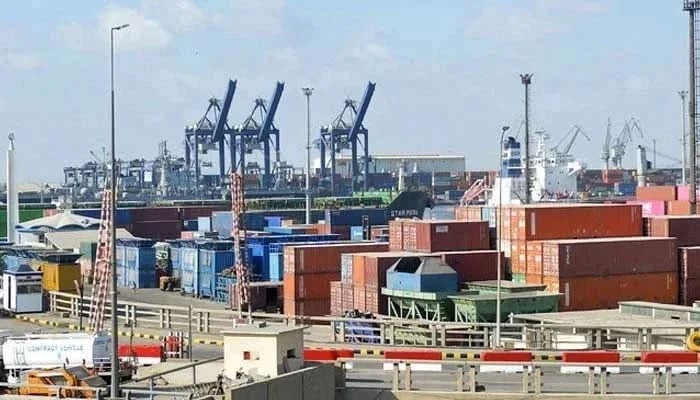
The only silver lining in the current crisis has been the influx of shipping traffic into Pakistani ports, which have emerged as alternative routes for foreign cargo. If Pakistan successfully capitalises on this opportunity, it could prove to be a windfall for the economy. This opportunity must be seized by developing ports such as Gwadar into viable alternatives for international trade. The government should focus on this opportunity by reducing freight charges on international cargo.
The cost of the current economic crisis is enormous, and no government can sustain it indefinitely. No economic strategy appears to be working effectively. It is unfortunate that businesses in Pakistan are not thriving but shutting down because of financial pressures. The challenges ahead require more prudent and practical policy reforms to revive the economy.
The writer is a former additional secretary and can be reached at: [email protected]