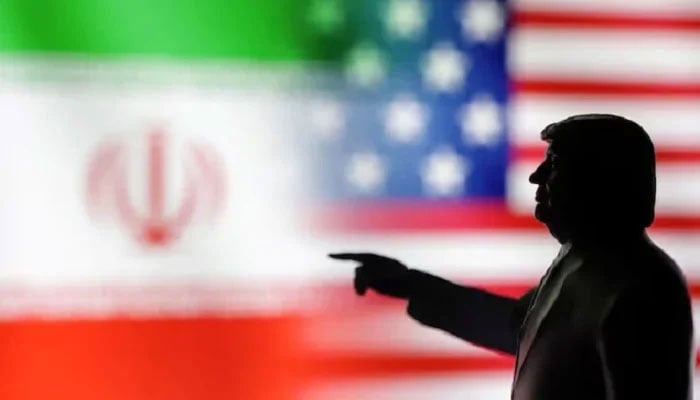
The continuing tensions between the US and Iran are a good sign of just how fragile the current ceasefire really is. US President Donald Trump may dismiss Iran’s latest peace proposals as ‘weak’ and claim that the ceasefire is on ‘massive life support’, but such rhetoric does little to calm an already volatile situation. If anything, it exposes the deep mistrust and rigidity that continue to define relations between Washington and Tehran. At a time when the world desperately needs restraint and serious diplomacy, inflammatory statements and public posturing will only end up pushing the region closer to another dangerous escalation. The impasse is hardly surprising. Iran’s demands -- including war reparations, sovereignty over the Strait of Hormuz, the lifting of sanctions and access to frozen assets -- are unlikely to be accepted easily by Washington. The US proposal reportedly was mostly related to preventing Tehran from being able to expand its nuclear programme. Iranian parliament’s Foreign Policy and National Security Committee spokesman Ebrahim Rezaei has warned that one of Iran’s possible responses to any further attack could be increasing uranium enrichment up to 90 per cent. Observers say that this current impasse makes things look a bit difficult given how both sides do not want to budge from their stated positions. Neither side appears willing to step back from maximalist positions and that leaves the ceasefire looking increasingly temporary rather than durable.
The timing of all this is also significant. Trump’s upcoming visit to China is taking place amid uncertainty over the future of the conflict. It is quite possible that Washington had hoped to secure at least a temporary breakthrough before the visit in order to project diplomatic strength abroad. Instead, the conflict remains unresolved and tensions continue to simmer. Amid these developments, Islamabad has attempted to position itself as a mediator seeking de-escalation while also maintaining principled support for Iran against what it views as an illegal and unprovoked war. Yet this diplomatic role has now become the target of suspicious and politically loaded narratives. Reports alleging that Pakistan secretly allowed Iranian military aircraft to shelter on its airfields seem obviously part of a campaign to undermine Islamabad’s credibility. Pakistan’s Foreign Office has rightly categorically denied these allegations, explaining that the aircraft movements were linked to diplomatic and logistical arrangements connected to mediation efforts during the ceasefire period.
The fact is that Islamabad has been transparent about its position from the outset. Pakistan condemned aggression against Iran while also opposing attacks on Gulf countries. More importantly, it has consistently advocated dialogue over escalation. In today’s polarised geopolitical environment, however, any country attempting mediation risks becoming the target of propaganda and disinformation campaigns by parties that benefit from continued conflict. The biggest of these is Israel and its disinformation machinery which seems to be working overtime these days. A prolonged confrontation serves Israeli strategic interests. Anyone sane would realise that the costs of continued escalation would be catastrophic not only for the Middle East but for the global economy and international security as well. Any disruption in the Strait of Hormuz would have immediate consequences for energy markets, trade and already fragile economies across the world. This is precisely why diplomacy, however imperfect, remains the only viable path forward. Pakistan’s efforts to maintain channels of communication should be encouraged rather than maligned. While the current ceasefire may indeed be fragile, abandoning dialogue altogether would be far more dangerous. The world cannot afford another prolonged regional war driven by ego.