PORTLAND, Oregon: Pakistani academic and fisheries expert Dr. Muhammad Naeem Khan has warned that the suspension of the Indus Waters Treaty could trigger severe ecological consequences for Pakistan’s river systems, aquatic biodiversity, fisheries and the Indus Delta ecosystem.
Speaking at the annual conference of the American Fisheries Society in Portland, Dr. Khan presented a research-based PowerPoint presentation titled “Impact of Indus Water Treaty (IWT) Suspension on Pakistan’s Aquatic Biodiversity and Ecosystems.”
The conference, held from May 4 to 7 brought together fisheries scientists, environmental researchers and water experts from across the world.
Dr. Khan said the Indus River Basin — stretching across China, India, Pakistan and Afghanistan- sustains wetlands, floodplains, riparian forests and numerous endangered aquatic species.
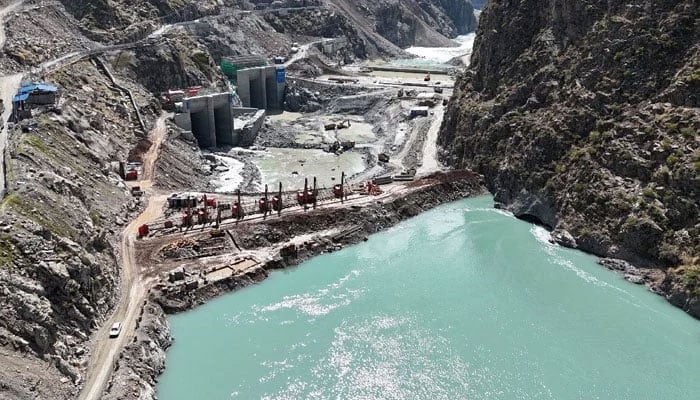
Referring to India’s 2025 suspension of the treaty, he noted that treaty-related cooperation, data-sharing mechanisms and advance notifications regarding water projects had been halted, resulting in altered river flows, particularly in the Chenab River. According to the presentation, water releases from upstream reservoirs declined sharply during May and June 2025, causing abnormal flow reductions downstream.