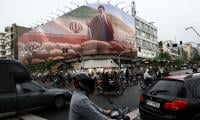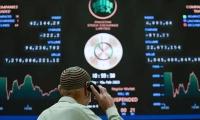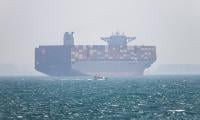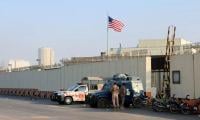
The ongoing US–Iran war carries significant implications for the construction sector in Pakistan, primarily through macroeconomic disruption and supply chain instability. The immediate and most visible effects have been repeated petrol shortages and sharp increases in fuel prices, which directly elevate transportation and machinery operating costs. As construction projects in Pakistan are highly dependent on diesel-powered equipment and long-distance material haulage, these fluctuations have triggered substantial cost escalations in key inputs such as cement, steel, aggregates and imported finishing materials. The uncertainty associated with geopolitical tensions has destabilised market conditions, discouraged investment and complicated project planning and procurement processes. Despite this inflationary pressure, labour wages remain stagnant, resulting in a significant decline in real earnings and worsening socioeconomic conditions for the workforce.
In this context, there is a strong contractual and policy-based justification for granting compensation and ‘Extension of Time’ (EOT) across construction projects in Pakistan. Standard forms of contract, including those used in public and private sector projects, provide provisions for both time and cost relief under such extraordinary conditions. It is therefore imperative that project owners, consultants and regulatory authorities adopt a uniform and equitable approach to granting EOT and cost compensation to prevent disputes and project abandonment.
Shahid Ullah Khan Tator
Islamabad