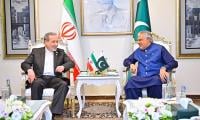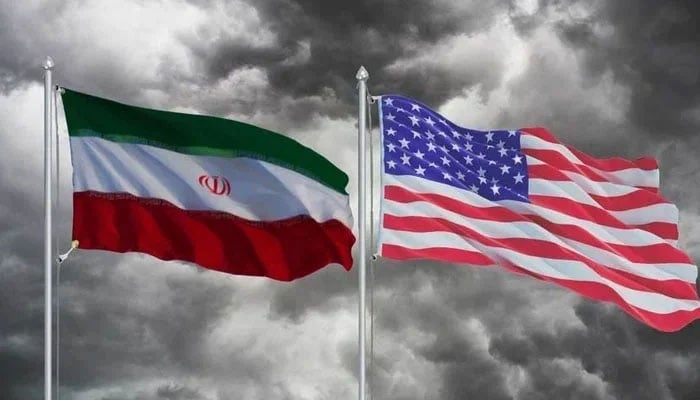
Backchannel diplomacy often thrives in ambiguity, but the current Pakistan-facilitated exchanges between the US and Iran are unfolding against a backdrop of extreme mistrust. While both sides appear to be reviewing proposals, the tone emerging from Washington and Tehran suggests that substance is being overshadowed by posturing. On one side, Iran has indicated that the latest American counterproposal contains “excessive and unreasonable demands", a long-standing grievance in Tehran’s negotiations with Washington. On the other hand, US President Donald Trump has publicly suggested that Iran has “not paid a big enough price". Now, while such rhetoric may play well to domestic audiences, it really risks derailing already fragile diplomatic efforts. In fact, domestic considerations appear to be driving much of the current stance. The Trump administration faces discontent within its own support base, particularly among voters who backed promises to avoid foreign entanglements. The perception that the US is entangled in yet another Middle Eastern conflict – and one seen by critics as aligned with Israeli strategic interests – has complicated the administration’s room for manoeuvre. In this context, hardline rhetoric may be less about Tehran and more about projecting strength at home.
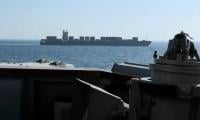
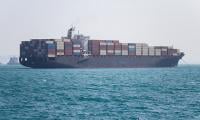
Diplomacy can hardly succeed if it is held hostage to optics. Iran, too, has drawn its own red lines, particularly around sovereignty and nuclear policy. Unconfirmed rumours and reports that its proposal may include elements related to uranium enrichment do suggest that Tehran is willing to engage, but also show that it is not ready to capitulate. So it seems mutual suspicion continues to define the negotiating space. The one sliver of hope that has emerged though is Pakistan’s facilitation of the return of 22 Iranian crew members, previously detained after the US seizure of an Iranian vessel, signalling that limited cooperation is still possible. Such gestures, though small, are essential in rebuilding trust and keeping diplomatic channels open. They also highlight Pakistan’s potential role as a mediator capable of maintaining communication when direct engagement falters. However, these positive signals are offset by continued volatility in the region. The situation surrounding the Strait of Hormuz is particularly precarious. Conflicting claims continue to rage on, a dangerous information war that could easily spiral into real confrontation. Meanwhile, initiatives such as Washington’s proposed ‘Project Freedom’ are so detached from operational realities that there is little indication that commercial actors are willing to risk transit through contested waters without credible security guarantees.
The broader economic stakes too cannot be ignored. A prolonged standoff in the Strait of Hormuz would have consequences far beyond the immediate region. Even in the absence of open conflict, uncertainty alone is enough to disrupt markets, drive up energy prices and strain already fragile global economic conditions. So we have ourselves a paradox of sorts: there are clear signs that neither side has an appetite for full-scale escalation and yet, the language and actions on both sides continue to edge dangerously close to it. Washington and Tehran need to move beyond performative toughness. The US, in particular, must recognise that maximalist demands are unlikely to yield sustainable outcomes. We have said it before too: the window for de-escalation keeps narrowing. If the current moment is allowed to drift into further stalemate, the costs will be borne by the whole world.