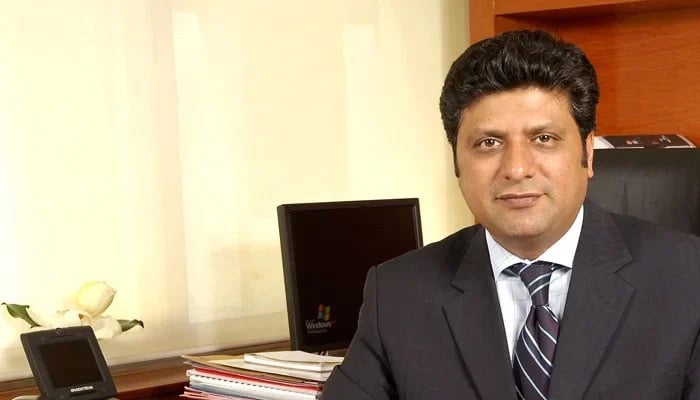
NEW YORK: The expertise of Pakistani-origin Tariq Malik, former chairman of NADRA and currently serving as a technical adviser at the World Bank, in digital identity and public infrastructure has been globally recognised, with his inclusion among the world’s top 25 experts in the field.
An announcement will be formally made on May 4, when the names and images of the selected experts will be displayed on the screen of Nasdaq at Times Square, New York.
The selection was made by Okta, a globally renowned platform specialising in digital identity, cloud systems, and cybersecurity. The list highlights individuals whose work has had a significant global impact on digital identity, security, and digital trust.
Tariq Malik, son of noted Pakistani scholar Fateh Muhammad Malik, has previously served with the United Nations and is widely credited as the architect of the digital system behind Pakistan’s Benazir Income Support Programme.
During a private visit to the US, Malik met former prime minister Benazir Bhutto, who encouraged him to return to Pakistan and contribute to national development. He subsequently played a key role in strengthening Pakistan’s digital identity and security systems and later served as NADRA chairman, continuing his contributions even after Bhutto’s assassination.
In a conversation with media, Malik said his decision to leave Pakistan and rejoin international institutions stemmed from his vision to introduce a transparent, foolproof digital electoral system. He said the aim was to eliminate rigging, bogus voting, and allegations of irregularities, ensuring trust and credibility for all political stakeholders.
However, he noted that certain vested interests opposed these reforms, as they benefited from the existing electoral system. He added that persistent allegations of electoral fraud have adversely affected Pakistan’s global image, electoral transparency, and political stability.
Malik stressed that advancements in digital technology could significantly improve not only electoral transparency but also public policy and governance systems in Pakistan.
Expressing pride in being included among the world’s top 25 digital identity experts, Malik said he was honoured to represent Pakistan globally. He also acknowledged the encouragement and support of Benazir Bhutto in enabling him to contribute his expertise to the country.