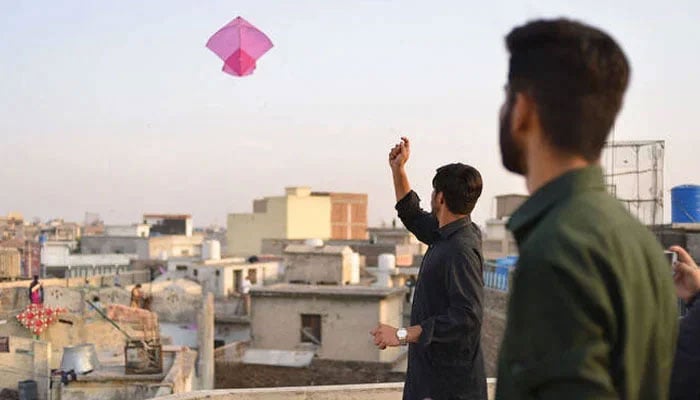
The Punjab Home Department has released safety guidelines for kite flying in 2027, prohibiting the use of unsafe rooftops and authorising district administrations to inspect premises, halt the activity on hazardous buildings, and seal or shut sites found violating the rules.
The document says the guidelines have been issued "to ensure safety of human lives during permissible kite flying activities" in notified districts.
In a notification dated April 24, 2026, the department said the guidelines had been issued under Section 16 of the Punjab Regulation of Kite Flying Act, 2025, read with Regulation 23 of the Punjab Kite Flying Regulations, 2025.
Under the instructions, "No person shall use or permit the use of any structurally unsafe rooftop for permissible kite flying activities." Owners are responsible for ensuring rooftops can safely bear the load of people present there, while rooftop parapets must be at least 3.5 feet high.
Deputy commissioners have also been authorised to get old or vulnerable buildings examined and to forbid kite flying from any rooftop found unsafe.
The document also makes clear that "overcrowding of rooftops is prohibited" and bars kite flying during strong winds, rain, thunderstorms or poor visibility.
It places the primary responsibility for children's safety on parents and guardians, while owners or managers of premises are jointly responsible for ensuring adequate safety arrangements. Loud music, DJ systems and other high-decibel sound systems have also been prohibited.
Authorised officers of the district administration, police and allied departments will be able to inspect premises likely to be used for kite flying during the permissible period, while anyone obstructing them may face legal action.
Reporting unsafe or unlawful practices to local authorities or Police Emergency Helpline 15.
The Home Department said anyone intending to use a rooftop for permissible kite flying during the next event must ensure all listed safety requirements are met by December 31 of the preceding year.
It also urged citizens "in the strongest terms to prioritise human life over recreational activity".