The PDMA Sindh in collaboration with Food and Agriculture Organization of United Nations organized a workshop in Karachi to discuss how heatwaves are affecting food security, human health and agriculture in Sindh.
Officials said the workshop brought together people from the Pakistan Meteorological Department (PMD), the Agriculture and Livestock Departments, academia, and humanitarian and development partners. The emphasis was mostly about strengthening trigger based early warning systems stronger, making a heatwave crisis timeline that covers all sectors, and moving to anticipatory actions.
Professor Dr Ismail Kumbhar has said awareness and climate literacy are fundamental to agricultural resilience; without a clear understanding of temperature variability, rainfall patterns, and crop-specific sensitivities, effective adaptation to heatwave stress is unattainable.
Mubashir Hassan said that the priority now is to integrate heatwave experience into policy reforms that institutionalize anticipatory action through impact-based forecasting, clear thresholds, and strengthened SOPs within disaster risk management systems.
Anjum Nazir Zaighum said that heatwave forecasting is complex, but advancements now allow us to issue alerts 3-5 days in advance using multi-layer climate modeling. Pedro Garzondelvaux, Project Manager FAO, has said that moving forward, a strategic transition is needed to embed food security considerations within existing heatwave response systems, ensuring that early warnings not only protect human health but also safeguard crops, livestock, and long-term livelihoods.
Through technical sessions and panel discussions, participants identified system gaps and priority actions to improve readiness, coordination, and risk informed planning before the next heatwave season. The workshop was an important step toward putting anticipatory action for heatwaves in Sindh. The goal was to protect lives, livelihoods, and food security.
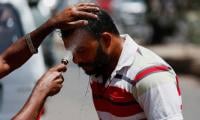
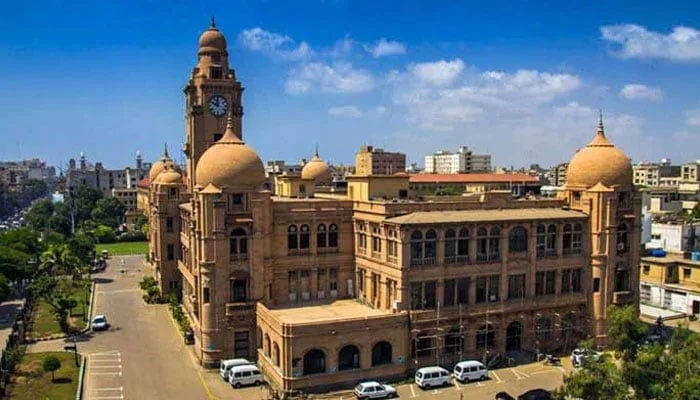
On the instructions of Mayor Karachi Barrister Murtaza Wahab, the Karachi Metropolitan Corporation (KMC) has announced emergency measures to deal with the expected severe heatwave in the city. In this regard, directives have been issued for the immediate establishment of special heatwave wards in all hospitals under KMC administration.
The mayor has told the senior director of Medical Health and Services and all medical superintendents that, due to extreme heat, citizens especially the elderly, children, and outdoor workers may face serious health risks. Therefore, all hospitals must ensure special arrangements for the timely and effective treatment of heatwave-affected patients.
He directed that an uninterrupted electricity supply and effective cooling systems (fans and air conditioners) must be ensured in heatwave wards. Availability of essential medicines, IV fluids, ORS, and other emergency medical supplies must also be guaranteed.
The mayor further emphasized that trained doctors and paramedical staff should be deployed round the clock, and that emergency response protocols and triage systems must be effectively implemented to provide immediate medical assistance to patients. He also instructed that clean drinking water be made available for patients and attendants, and that awareness campaigns regarding precautionary measures be conducted in hospitals.