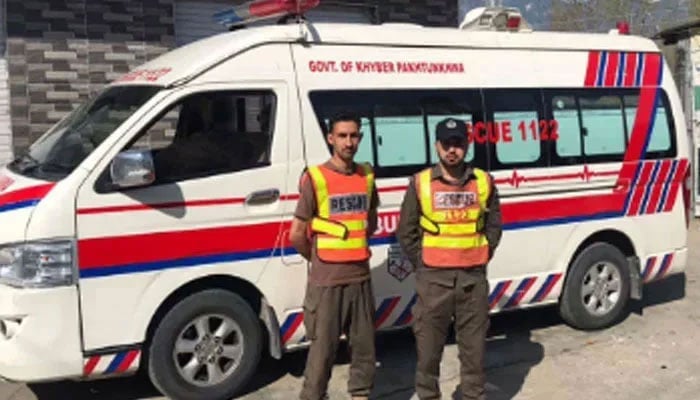
Emergencies can happen at any time. In such moments, emergency service — Rescue 1122 — has become a symbol of hope for many. With the passage of time the service has expanded across multiple districts and provinces, becoming one of the most important public safety institutions in the country. While its achievements are notable, the system is also facing serious challenges that need attention.
The service, no doubt, has made a strong impact in improving emergency response. One of its biggest successes is its quick response time. In many cities, rescue teams aim to reach the scene within 7 minutes. In the past, people had to rely on private transport or wait long hours for help.
According to official data, Rescue 1122 has responded to millions of emergencies and saved countless lives over the years.
A real-life example shows service importance. Just three days ago, a young man was badly injured in a motorcycle accident on a busy road in Rawalpindi. Within minutes, a Rescue 1122 ambulance arrived, provided first aid and shifted him to the DHQ. Doctors later said that the quick response saved his life. Such cases are common and highlight how critical this service has become.
The department has also trained thousands of volunteers in basic first aid and disaster response. This has helped communities become more prepared during emergencies.
Over the years, Rescue 1122 has also gained public trust. Many people now see it as a reliable and free service that works without discrimination. Unlike some public departments, Rescue 1122 is often praised for professionalism and discipline.
Citizens appreciate that they can call a single number - 1122 — and get help quickly. In urban areas, people feel more secure knowing that trained responders are available nearby. Social media tells stories of rescue workers going beyond their duty.
However, in rural areas, the perception is mixed. While people value the service, they often complain about delays due to distance and limited resources.
Despite its success, the service is facing serious operational challenges. One of the biggest issues is limited resources. In many districts, there are not enough ambulances or fire vehicles to handle emergencies. Staff shortage is another concern. Rescue workers often work long shifts under stressful conditions.
Infrastructure problems also slow down operations. Poor road conditions, traffic congestion and lack of proper emergency lanes make it difficult for rescue vehicles to reach accident sites swiftly. Training of the staff is another area that needs improvement. With new types of emergencies, rescue workers needs updated training regularly.
While the emergency service is performing well, there are clear weaknesses that need to be addressed. One major flaw is that urban areas get better service while the rural areas are often ignored.
A practical solution is to increase budget allocation and expand rescue stations in remote regions too. Mobile rescue units can also be introduced to cover far-flung areas more effectively.
Use of modern technology such as Artificial Intelligence can also improve operations. GPS tracking, better communication systems and digital reporting can make responses faster and efficient.
To make Rescue 1122 more effective, several steps can be taken. In this regard the government should increase budget allocation for hiring more staff and improving facilities.
For the purpose, public training programs should be expanded. If more citizens know basic first aid, they can help victims before rescue teams arrive. Coordination with hospitals also needs improvement. Sometimes patients face delays after reaching hospitals.
Lastly, introducing performance monitoring systems can ensure accountability. Regular audits and feedback from the public can help improve service quality.
The emergency service has changed the way emergencies are handled in Pakistan. It has saved lives, built public trust and set a standard for emergency response. However, the system is under pressure due to limited resources, growing demand, and operational challenges.
With better planning and focus on staff welfare, this service can become even stronger. It is not just an emergency service — it is a lifeline for millions. Strengthening it should be a top priority for policymakers and society alike.