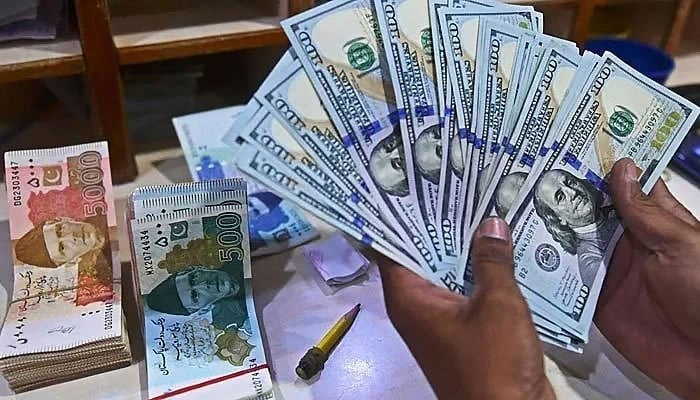
KARACHI: The rupee is expected to remain trading in narrow ranges next week despite external outflows, while traders brace for the State Bank of Pakistan’s monetary policy decision and remain vigilant for news related to the Middle East conflict.
The rupee closed at 278.91 against the dollar in the interbank market on Monday but ended at 278.85 on Friday.
The SBP will hold its policy meeting on Monday, with analysts divided on whether the central bank will keep the interest rates unchanged or raise them. Most analysts expect the SBP to hold its key interest rate steady at 10.5 percent as the current macroeconomic fundamentals are better positioned to withstand the impact of the ongoing conflict in the Middle East. The uptick in inflation remains driven by supply-side factors rather than a surge in aggregate demand.
In March, CPI inflation increased to 7.3 per cent year-on-year (YoY), up from 7.0 per cent in February, exceeding the SBP’s target range of 5-7 per cent. Some analysts cautioned that it can reach double digits in the fourth quarter of this fiscal year.
Pakistan’s return to the international capital markets after four years and inflows from Saudi Arabia, alongside an increase in the maturity of current deposits, are positive developments. Additionally, improvements in the current account,.driven by strong remittance inflows and higher services exports,.combined with ongoing dollar purchases from the interbank market, will support foreign exchange reserves.
This week, Islamabad repaid the $3.45 billion deposits to the United Arab Emirates, depleting forex reserves. However, reserves were partly offset by $3 billion in inflows from Saudi Arabia.
Tresmark said in a note on Saturday that its base case is a 100 bps hike, not because data compels it, but as a preemptive move to protect hot money flows, counter inflation, and stay aligned with rising global bond yields.
Exporters continue to book forwards as expectations of the rupee depreciation fade and margins remain under pressure, it said. Swap premiums continue to firm, providing a feasible window for forward selling, it added.
Traders are monitoring developments related to the war in the Middle East.
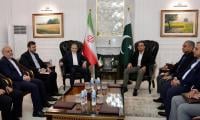
Iranian Foreign Minister Abbas Araghchi is meeting with Pakistan’s prime minister after arriving in Islamabad for talks with mediators. US envoys Steve Witkoff and Jared Kushner are expected to travel to Pakistan; however, Tehran has denied any intention of meeting with US representatives directly.
According to Tresmark, the US and Iran have strong reasons to avoid escalation. Iran needs access to $120 billion in frozen funds and oil exports, while the US cannot afford sustained high fuel prices and political fallout.