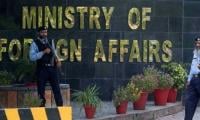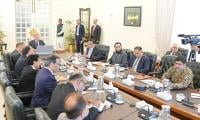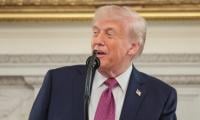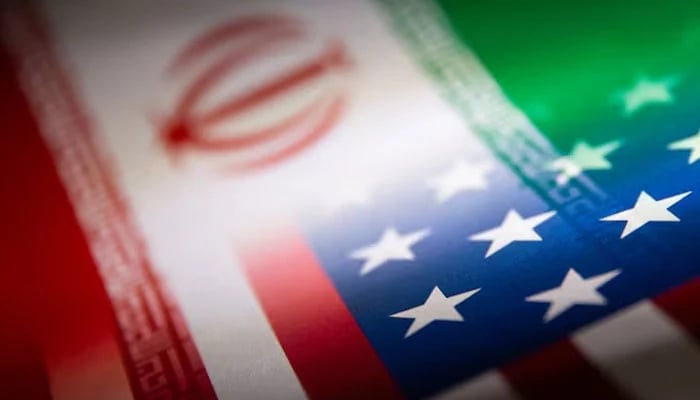
The extension of the ceasefire by US President Donald Trump is less a step towards peace and more a pause under the looming shadow of renewed conflict. That it came, as he himself claimed, at the request of Pakistan does highlight Islamabad’s increasingly delicate role as mediator between Washington and Tehran. Yet even in extending the truce, Trump could not resist coupling it with semi-veiled threats – ordering the US military to maintain its blockade posture and remain ready for action. This is diplomacy conducted with one hand extended and the other firmly on the trigger. Here is the context behind where we stand today: the temporary two-week ceasefire between the US and Iran was nearing its expiry just as fragile diplomatic momentum appeared to be building. Pakistan had positioned itself to host another round of talks, only for the process to falter amid renewed tensions: a US naval blockade of the strategically vital Strait of Hormuz and reports of an attack on an Iranian cargo vessel. Tehran’s response – declining participation until Washington demonstrates a genuine commitment to diplomacy – is neither surprising nor unjustified.
There are, admittedly, voices of cautious optimism. Some analysts argue that both Washington and Tehran understand the catastrophic consequences of escalation, not just for themselves but for the wider Gulf region and the global economy. The Strait of Hormuz alone accounts for a significant share of the world’s oil supply and any prolonged disruption would reverberate far beyond the Middle East. It is this shared vulnerability that could yet anchor both sides to the negotiating table. However, a persistent and potent spoiler remains: Israel. Tel Aviv is unlikely to welcome any rapprochement between Washington and Tehran. The undermining of previous ceasefires – such as those linked to Lebanon – will only justifiably deepen concerns that external actors (aka Israel) may once again derail fragile progress. If a durable agreement is to be reached, it must be insulated from such disruptive influences.
Meanwhile, there’s Trump, whose penchant for provocative social media pronouncements continues to inject volatility into an already untenable situation. There is also a more cynical interpretation gaining traction: that Trump’s oscillation between threats and negotiations may be serving economic interests. There are speculations that elements within global markets are capitalising on the uncertainty, profiting from fluctuations driven by geopolitical tension. If true, this would be a sadly horrific reality where financial gain is extracted from the brinkmanship of war, with little regard for the human cost. For Pakistan, the stakes are as high as can be. Our role as mediator brings both opportunity and risk. Successfully facilitating dialogue could enhance Pakistan’s diplomatic standing; failure, particularly if accompanied by regional escalation, could expose the country to significant geopolitical fallout. Islamabad must therefore continue to push for sustained, structured engagement while resisting being drawn into the strategic calculations of larger powers. The world just cannot afford another war in this region. A single misstep could trigger a chain reaction with consequences far beyond the immediate actors involved. For now, the guns are silent – but only just. The shadow of war has not receded.