In consultation with a broad range of stakeholders, the Ministry of Planning, Development and Special Initiatives introduced the 5Es Framework as a strategic policy roadmap to guide Pakistan towards sustainable economic growth, enhanced institutional effectiveness and long-term resilience.
The framework sets out key short- and medium-term reform priorities structured around five pillars: Exports, E-Pakistan, Environment and Climate Change, Energy and Infrastructure, and Equity and Empowerment. Collectively, these pillars aim to strengthen macroeconomic stability, accelerate structural reforms and promote inclusive and sustainable development outcomes.
Under the environment and climate change pillar, particular emphasis has been placed on strengthening institutional, legal and policy mechanisms to effectively address emerging climate risks. This priority reflects Pakistan’s significant exposure to environmental shocks and its increasing vulnerability to climate-induced socio-economic disruptions.
Pakistan is widely recognised as one of the most climate-vulnerable countries globally. According to the Global Climate Risk Index (CRI) published by Germanwatch, the country has consistently ranked among the ten most affected nations over the past two decades. Pakistan is a signatory to the Sustainable Development Goals. SDG target 12.7 aims to “promote public procurement practices that are sustainable, in accordance with national policies and priorities”. Sustainable public procurement in Pakistan is still at a nascent stage, and more concrete measures are needed to integrate environmental standards and green procurement practices into the country’s procurement regime.
A two-pronged approach is essential to advance this agenda. First, comprehensive policy reforms should ensure that public-sector organisations prioritise the procurement of environmentally sustainable products and services. Second, targeted policies should be introduced to encourage manufacturers and suppliers to produce and supply eco-friendly goods and services that comply with environmental standards.
Alongside these reforms, sustained awareness campaigns and capacity-building initiatives will be critical to strengthening implementation, while continuous stakeholder feedback can help refine policies and improve their effectiveness over time.
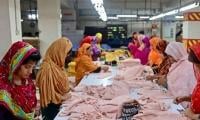
In addition, procurement policies should incorporate socially responsible indicators, including fair labour practices, the promotion of local sourcing, codes of conduct for suppliers, workplace safety and gender-responsive procurement strategies. Such measures would help align procurement processes with national commitments on environmental protection, social inclusion, and sustainable development.
The World Bank’s Business Ready report emphasises cross-cutting themes such as environmental sustainability and gender mainstreaming, particularly within public procurement systems. The report encourages governments to integrate environmental considerations into procurement policies by establishing standards, guidelines, and criteria that define minimum environmental performance requirements.
Such measures may encompass standards related to energy efficiency, reduced emissions, sustainability certifications, and the use of environmentally friendly materials. It also emphasises promoting eco-certification and eco-labelling systems for vendors, along with clear specifications for environmentally preferable goods and services.
The Federal PPRA has recently notified the Minimum Energy Performance Standards Compliant Pakistan Energy Labelled (Star-Rated) Products Regulations, 2025, marking a major breakthrough in integrating sustainability into public procurement. Under these regulations, all public sector organisations are now required to procure five categories of products – fans, motors, household refrigerating appliances, LED lights and room air conditioners – only from vendors offering products that carry a star rating accredited by the National Energy Efficiency and Conservation Authority (NEECA).
Successful implementation of sustainable public procurement requires a robust performance measurement and reporting mechanism. Digital procurement platforms such as ePADS would play a crucial role in improving access to information, monitoring compliance, and facilitating data-driven decision-making.
By embedding sustainability into procurement policies, Pakistan can transform public spending into a powerful driver of green growth, environmental protection and inclusive development.
The writer is a freelance contributor.