_akhbar.jpg)
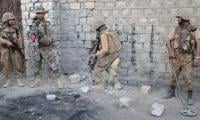
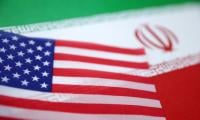
As the temporary ceasefire between the US and Iran teeters on the edge of expiration today, the world is watching Islamabad with bated breath. As of the writing of this editorial on Monday night, a second round of talks – potentially pivotal – hangs in the balance, caught between the urgent need for de-escalation and the volatile reality of geopolitical posturing. While US President Donald Trump has said he has dispatched a high-level delegation, including Vice President JD Vance, special envoy Steve Witkoff and adviser Jared Kushner, to Islamabad, the atmosphere is still uncertain and edgy. For one, reports from DC on Monday evening are saying the American nice president hasn’t yet left the US but will be travelling to Pakistan soon. For another, Iran’s Foreign Ministry spokesperson Esmaeil Baghaei’s statement on Monday – that there are currently no plans for a second round of negotiations – has also left things hanging in limbo. Tehran has rightly pointed to a series of provocations – an attack on an Iranian cargo ship, the ongoing naval blockade of Iranian ports and the failure to implement a ceasefire in Lebanon – as clear violations of the existing truce.
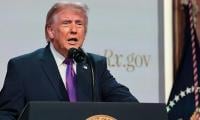
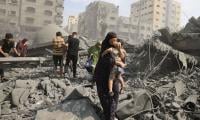
The current impasse is a dangerous game of optics and ego. President Trump’s tendency to blow hot and cold, fluctuating between threats of dire consequences and expressions of willingness to meet, appears driven more by the need to manage domestic perceptions ahead of November’s mid-term elections than by a genuine commitment to regional stability. By framing the conflict as one where he has ‘won’ and is magnanimously offering an off-ramp, the US president seems to be seriously underestimating and also alienating a naton that has endured profound losses – from horrific civilian killings in Minab to the broader economic devastation of the war. This aggressive posturing also ignores the reality that Iran has fought with unexpected resilience. Trump’s social media outbursts and erratic messaging will only deepen the distrust of the enemy that Iranian President Masoud Pezeshkian cited as an undeniable necessity for Tehran’s survival. Diplomacy cannot thrive in a vacuum of credibility.
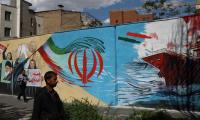
The Iranian leadership is not in an easy position. While acknowledging that war is in no one’s interest and advocating for diplomatic paths, Tehran remains deeply wary. This distrust is well-founded. The memory of the February 28 attack, which occurred just as Omani-mediated talks were nearing completion, showed them the volatility of American commitments. The US’s track record is murky and this unprovoked, illegal and unjust war led the world into an unprecedented economic and diplomatic shock. For any meaningful progress to occur, the US must move beyond the bullying tactics that have characterised its recent stance. If the goal is a lasting peace, the US must address the substantive grievances that fuel this fire: the immediate lifting of the naval blockade on the Strait of Hormuz, the enforcement of a genuine ceasefire in Lebanon and the removal of crippling economic sanctions. As far as Pakistan goes, it has once again stepped into the role of a vital global mediator. Regardless of everything, Pakistan’s exhaustive diplomatic efforts to prevent a total collapse into broader conflict deserve international recognition. However, as observers have rightly noted, even the most skilled diplomacy cannot compensate for a party that refuses to act in good faith. The ball is firmly in President Trump’s court. To transform the current fragile ceasefire into a lasting peace, he must stop the aggressive posturing that threatens to undo the progress already made. If Washington continues to prioritise political theatre over the hard, unglamorous work of diplomacy, the prospect of lasting stability will remain a casualty of the very rhetoric that seeks to claim victory.