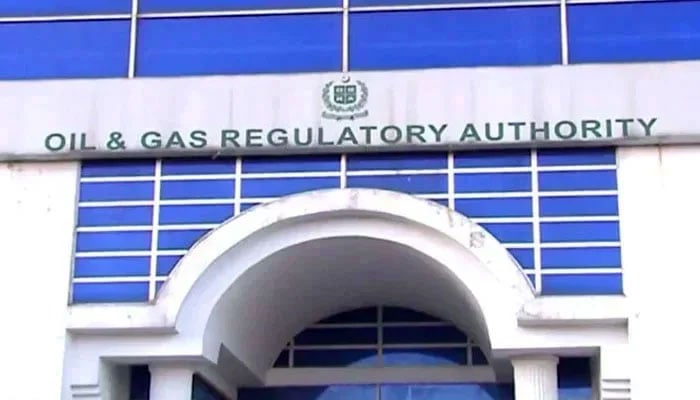
ISLAMABAD: The Oil and Gas Regulatory Authority (Ogra) has sought formal approval from the Ministry of Energy (Petroleum Division) for an audit-driven mechanism to disburse Rs128 billion in Price Differential Claims (PDCs) to oil marketing companies (OMCs), introducing a multi-layered verification system aimed at improving transparency and preventing overpayments in the downstream petroleum sector.
According to an official letter dated April 16, 2026, Ogra has proposed a phased disbursement framework for PDCs covering the period March 14 to April 2, 2026, when petroleum prices were kept unchanged at March 13 levels despite a sharp rise in international oil prices. The regulator has simultaneously outlined detailed Terms of Reference (ToRs) for engaging independent chartered accountant firms to audit and verify claims submitted by OMCs.
However, well-placed sources said Ogra has already released around Rs38 billion under the PDC head to 34 oil marketing companies.
The disbursement was reportedly made to ensure continuity of fuel supplies and stabilise market operations, as delays in payments had created liquidity constraints that affected the lifting of petroleum products (POL) from refineries.
Under the proposed mechanism, Ogra has recommended that 40 per cent of claims be released upon submission of initial documentation, followed by 25 per cent after complete claim submission, another 25 per cent after verification by an external auditor appointed by Ogra, and the remaining 10 per cent after post-audit clearance by the Auditor General of Pakistan and resolution of any investigative findings. The regulator has emphasised that payments will be strictly based on verified sold volumes, with any hoarded stock excluded from claims. The proposal aligns with government instructions and inputs from the Federal Investigation Agency (FIA), which is also reviewing potential market irregularities in the petroleum sector.
At the heart of the proposal are comprehensive ToRs for hiring independent audit firms to conduct verification, certification, and reconciliation of PDC claims submitted by around 39 OMCs. The auditors will be required to carry out end-to-end scrutiny of the petroleum supply chain, from refinery and import purchases to depot storage and final retail sales.
The OMCs will be required to submit detailed CEO- and CFO-certified documentation, including structured templates covering purchases, sales, stock positions, and tax-related records. The selected audit firms will issue a test-based verification certificate confirming eligible claims, along with a comprehensive final report detailing methodology, findings, reconciliations, and any rejected claims. The assignment is required to be completed within 30 days, while audit firms will also be bound to defend their findings before relevant authorities for a period of at least three months after submission.
The PDC mechanism was introduced after the government decided to keep petroleum prices unchanged at March 13 levels to shield consumers from international price volatility. However, this decision created a significant gap between regulated retail prices and import parity costs, leading to substantial compensation liabilities for OMCs. Approved PDC rates varied sharply over the three-week period, with compensation for high-speed diesel rising significantly in line with global oil price movements.
The inclusion of third-party audits, post-audit scrutiny by the Auditor General, and oversight by investigative agencies marks a significant tightening of regulatory controls.The regulator has sought concurrence from the Petroleum Division to implement the mechanism.