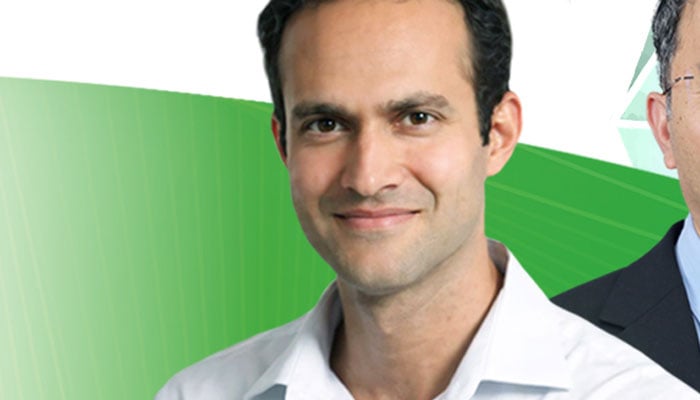
Islamabad:Prof Saleem H Ali from University of Delaware has argued that minerals historically played a foundational role in economic transformation and remain deeply linked to modern prosperity, even in service-led economies.
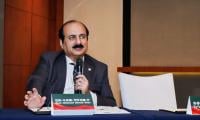
Prof Ali was delivering keynote address at a seminar on “Minerals & economic development: prospects for Pakistan” organised here by Pakistan Institute of Development Economics (PIDE).
Prof Ali emphasised that mineral wealth alone does not guarantee development; what matters is whether countries build the institutions, policy frameworks and reinvestment mechanisms needed to turn resource endowments into broad-based national gains. He cautioned against confusing resources with reserves, stressing that only economically viable and extractable reserves should inform serious planning. He also revisited the ideas of the “resource curse,” the “Dutch disease” and the “paradox of plenty” noting that while mineral-led growth can create wealth, it can also deepen inequality, distort institutions and weaken alternative sectors if not managed wisely. He underlined that these outcomes are not inevitable. Countries that combine investment, learning, transparency and effective governance can transform extractive sectors into drivers of national development.
He outlined several mineral development pathways including large transformative projects with royalties and fiscal flows, infrastructure minerals linked to construction and connectivity, energy minerals and the branding of Pakistani gemstones for global commercial markets. He stressed that the real economic impact of mining does not lie only in taxes and royalties but also in backward and forward linkages such as local procurement, services, employment clusters, entrepreneurship and downstream activity. He further observed that while large industrial mines often create limited direct jobs, smaller-scale “development minerals” and associated local industries can generate wider employment opportunities if properly supported.
Referring to Reko Diq as Pakistan’s most prominent mineral project, Prof Ali described it as one of the world’s largest copper-gold developments currently underway and a potentially transformative opportunity for the country.