In a world increasingly defined by volatility and shifting alliances, the recent developments in the Middle East have highlighted a critical truth: nations that navigate complexity with pragmatism wield the greatest influence.
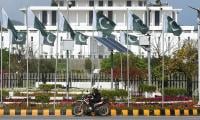
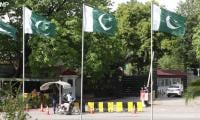
Against this turbulent backdrop, Pakistan has stepped into an unexpected yet consequential role, positioning itself as a credible intermediary between the US and Iran. This calculated intervention reflects a broader shift in the country’s strategic outlook, one that prioritises outcomes over optics and substance over spectacle.
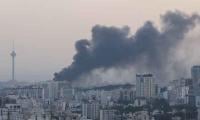
The conflict has already claimed countless lives across conflict zones while sending shockwaves through international markets. Traditional diplomatic forums, including the European Union, struggled to assert meaningful influence, revealing a paralysis within established mechanisms of conflict resolution. In this vacuum of direct communication, Pakistan found an opening not through opportunism, but through necessity and chose to act where others could not.
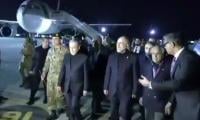
What distinguishes this moment is the manner in which it was achieved. Pakistan did not stumble into the role of mediator; it earned it through consistency, credibility and an ability to engage multiple stakeholders without compromising its position. Trust, the rarest currency in international relations, was extended to Islamabad by both Washington and Tehran. This was further reinforced by the presence of key regional actors, including China and the Gulf states, all of whom recognised that de-escalation required a facilitator capable of balancing competing interests.
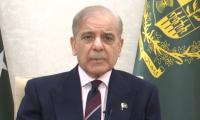
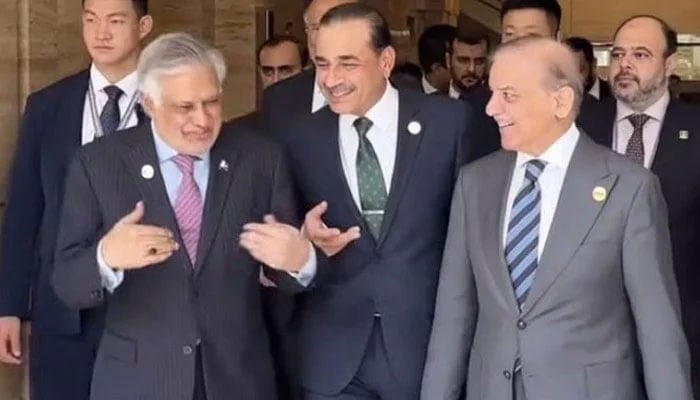
Central to this transformation has been the alignment between the civilian leadership and the military command, particularly the role played by COAS-CDF Field Marshal Syed Asim Munir and PM Shehbaz Sharif. This synergy has produced a model of governance where diplomacy is proactive rather than reactive, and where strategic decisions are guided by calculation rather than compulsion. The institutional depth behind this approach is often overlooked. Years of engagement with regional actors, including prior mediation efforts involving Middle Eastern stakeholders, have created a reservoir of relationships that can be activated in times of crisis. In particular, the personal rapport developed with Iranian leadership over time provided Pakistan with a unique advantage.
Equally significant is Pakistan’s ability to manage internal and external pressures simultaneously. Within a span of weeks, the state navigated a complex triad of challenges: facilitating a ceasefire and safeguarding supply chains amid global disruptions. Economic stability, often the Achilles’ heel of developing states, has been maintained through disciplined policy choices and timely financial commitments, including repayments to key partners such as the UAE.
Pakistan’s relationship with Saudi Arabia remains anchored in shared responsibility and mutual respect. At the same time, ties with countries such as Bangladesh and the UAE illustrate an understanding that modern geopolitics is defined by complexity rather than binary alignments. Even in sensitive matters such as the Strait of Hormuz, Pakistan has adopted a measured stance.
In contrast to narratives that glorify confrontation, this moment serves as a reminder that wars rarely resolve the issues that give rise to them. Pakistan’s recent conduct challenges entrenched perceptions, including those shaped by years of hostile propaganda, by demonstrating that constructive engagement can yield tangible results. In doing so, it has reaffirmed a timeless lesson of statecraft: that the path to lasting influence lies not in domination, but in the disciplined pursuit of dialogue.
The writer is a freelance contributor and writes on issues concerning national and regional security. She can be reached at: [email protected]