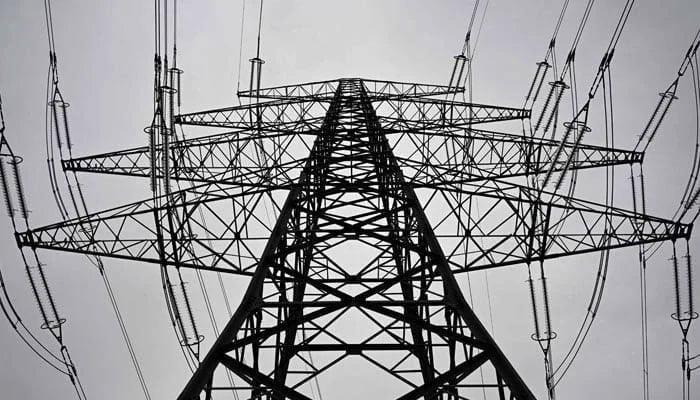
KARACHI: Pakistan’s electricity distribution capacity, while broadly adequate to meet prevailing demand, continues to face structural bottlenecks within the transmission and distribution (T&D) network that limit optimal utilisation.
Addressing these constraints will require timely investment and coordinated planning to strengthen and expand the national grid system, according to a new study by the Pakistan Credit Rating Agency (Pacra). It said that improving grid infrastructure and network efficiency would be critical to enabling reliable power flows, reducing system bottlenecks, and facilitating the transmission of relatively cheaper electricity to end-consumers in an efficient and sustainable manner.
The report noted that recent policy measures, including a growing shift towards solarisation, are expected to reduce system losses and improve energy access and independence, particularly for rural and off-grid consumers. It added that revisiting the uniform national tariff framework and moving towards more cost-reflective regional pricing could strengthen operational accountability across distribution companies (Discos).
Progress on the privatisation or strategic management of relatively better-performing Discos could also enhance operational efficiency, improve governance standards and help contain T&D losses over the medium term. The report further observed that, as power subsidies are largely financed by the federal government, provinces have limited fiscal incentives to curb electricity theft.
The household segment accounts for 87.3 per cent of total electricity connections in the country, followed by commercial and industrial users. Household connections rose from 35 million to 37 million in the last fiscal year, accounting for most of the increase in total connections. Over the past five years, around seven million new household connections have been added.
Commercial connections increased slightly from 4.2 million to 4.3 million, while industrial connections remained largely stable at around 0.4 million. Agricultural and other categories also showed little change, at approximately 0.4 million and 0.3 million, respectively.
Pakistan’s overall electricity consumption rose by 3.0 per cent YoY in FY25 to 121,701 GWh, driven mainly by higher demand in the domestic and industrial segments. Other contributing factors included the return of captive power users to the national grid, improving macroeconomic conditions, and recent power sector reforms.
Average per capita electricity consumption stood at 505 kWh in FY25, significantly below the global average of around 3,700-3,900 kWh per year. Transmission losses in the CPPA-G system were recorded at 2.6 per cent, while distribution losses stood at 17.6 per cent during the same period.