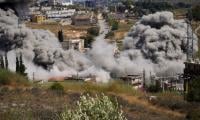
In a world trembling under the shadow of conflict, where tensions between Iran and the United States threatened to spiral into a catastrophic war, a remarkable chapter has been written — not by the powerful, but by the responsible. That chapter belongs to Pakistan.
Against all odds, and in a geopolitical environment filled with mistrust, Pakistan stepped forward as a credible and courageous mediator. Through relentless diplomatic engagement, quiet negotiations, and firm commitment to peace, Pakistan played a decisive role in securing a two-week ceasefire between Iran and the United States — a breakthrough that has given the world a moment to breathe.
This is not merely a diplomatic success. It is a statement — a declaration that Pakistan is no longer just a participant in global affairs, but a leader shaping them.
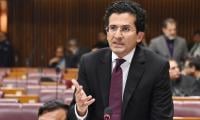
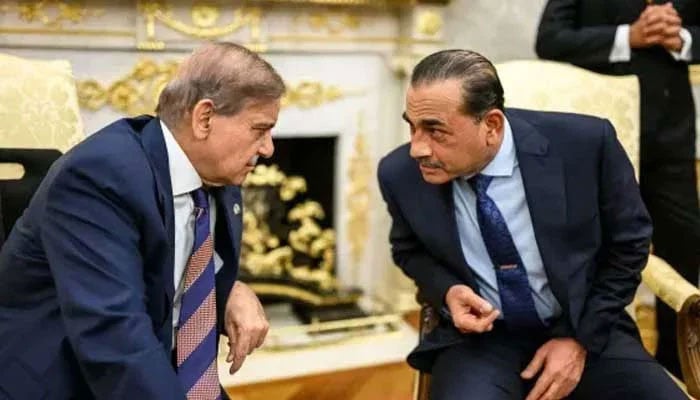
At the heart of this success stands the leadership of Prime Minister Shehbaz Sharif, whose measured diplomacy and steady resolve ensured that Pakistan’s voice was heard and respected on the global stage. His commitment to dialogue over destruction, and diplomacy over division, reflects a statesman who understands that true leadership lies in preventing war, not merely managing it.
Equally pivotal was the role of Deputy Prime Minister and Foreign Minister Ishaq Dar, whose deep experience in international relations and tireless engagement with global stakeholders strengthened Pakistan’s credibility as a mediator. His strategic diplomacy ensured that Pakistan remained a bridge — not a battleground — between conflicting powers.
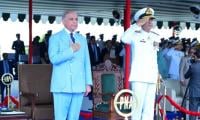
On the security and strategic front, the leadership of Chief of Defence Forces, Field Marshal Asim Munir, added immense weight to Pakistan’s position. His role in ensuring internal stability, strategic clarity, and a unified national front was instrumental. In moments where the world needed assurance, Pakistan stood firm — disciplined, composed, and ready to contribute to global peace.
This collective effort reflects a rare harmony between civilian leadership and military leadership — a unity that transformed Pakistan into a voice of reason in one of the most volatile global crises of recent times.
Global powers, international media, and diplomatic circles are now acknowledging Pakistan’s constructive role. Perhaps most notably, even India — often a rival on the geopolitical stage — has expressed appreciation for Pakistan’s mediation. This acknowledgment is not just symbolic; it represents a shift in perception. It signals that Pakistan’s diplomatic credibility is rising beyond regional rivalries into global recognition.
Firstly, Pakistan has repositioned itself as a peace broker in a deeply polarised world. Nations in conflict may now look towards Islamabad not as a peripheral player, but as a potential mediator capable of bridging divides.
Secondly, this moment enhances Pakistan’s diplomatic capital. In international forums such as the United Nations and beyond, Pakistan’s voice will carry greater weight, backed by its proven ability to facilitate dialogue in high-stakes conflicts.
Thirdly, the economic and strategic implications are equally significant. Stability in the Middle East directly impacts global energy markets, and Pakistan’s role in easing tensions contributes to regional and global economic stability. This opens doors for stronger international partnerships, trade opportunities, and investment prospects.
But perhaps the most powerful outcome is intangible — the restoration of national pride. For a nation often portrayed through the lens of challenges, this achievement paints a different picture: a Pakistan that is capable, responsible, and indispensable.
The world is talking about Pakistan — not for conflict, but for peace. Not for division, but for unity and not for instability, but for leadership.
History will remember this moment not just as a ceasefire, but as a turning point — when Pakistan stepped forward and the world stepped back from the brink.
In an era where leadership is often measured by power, Pakistan has demonstrated that true power lies in the ability to prevent war, to heal divisions, and to create space for dialogue where silence of peace replaces the roar of conflict.
This is Pakistan’s moment.
And if this path continues, the world may well see Pakistan not just as a nation among many — but as a guiding force for peace in the 21st century.
Ijaz ul Haq Senior politician Currently serve as a Member National Assembly