ISLAMABAD: The Senate Standing Committee on Inter-Provincial Coordination on Wednesday approved three key pieces of legislation aimed at strengthening governance in the tourism and hospitality sector, while stressing the need for policy harmonisation across provinces.
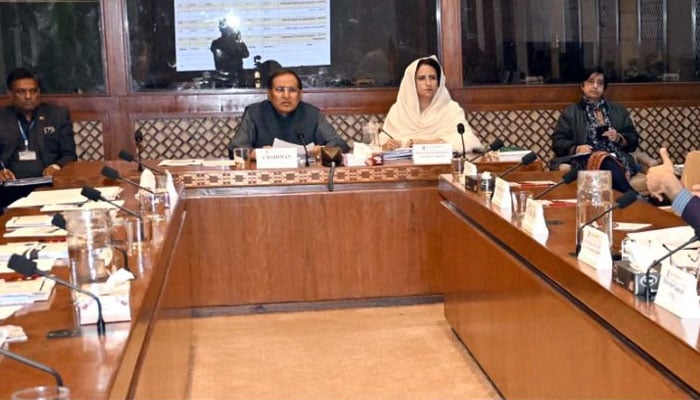
The meeting, chaired by Senator Dilawar Khan at Parliament House, cleared the Pakistan Hotels and Restaurants (Amendment) Bill, 2026, the Travel Agencies (Amendment) Bill, 2026, and the Pakistan Tourist Guides (Amendment) Bill, 2026. The proposed amendments seek to improve regulatory frameworks and ensure stricter compliance within the sector.
During deliberations, the committee highlighted that the amendments are similar in nature and must align with constitutional provisions, particularly in light of the 18th Amendment, which devolves tourism-related matters to the provinces. Officials briefed the committee that the legislation limits regulation to the federal domain and incorporates changes in line with the Supreme Court’s ruling in the Mustafa Impex case by specifying relevant authorities instead of broadly referring to the “Government of Pakistan.”
The chairman noted that the amendments propose significantly higher penalties to enhance deterrence and enforce compliance. However, the committee expressed concern that varying regulations across provinces could create inconsistencies and encourage operators to shift to regions with lenient rules.
Stressing the need for uniformity, the committee called for a standardised national policy for tourism and recommended taking all provinces on board to build consensus. It decided to convene a joint meeting of provincial secretaries to ensure coordinated and harmonised legislation.
The committee also reviewed budgetary allocations and utilisation by the Ministry of Inter-Provincial Coordination for the fiscal year 2025-26 and upcoming Public Sector Development Programme proposals for 2026-27.
During the briefing, it was revealed that the National Internship Programme (NIP), launched in 2007, has remained inactive since 2019 despite continued budget allocations. Expressing concern over inefficiencies, the committee recommended discontinuing the programme, reallocating its staff and ensuring more effective use of public resources.
The panel underscored the importance of administrative reforms, improved coordination and greater accountability in public sector institutions.