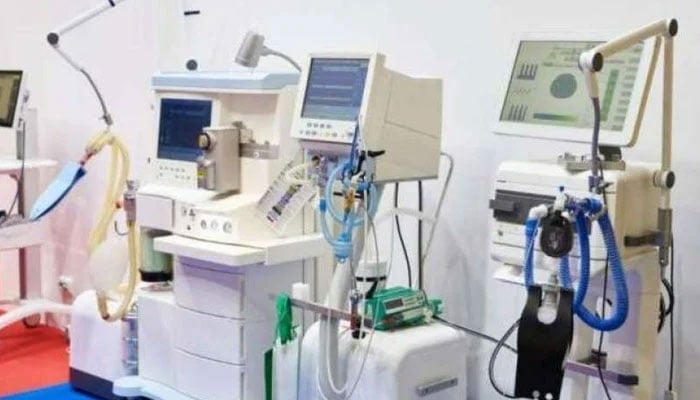
With Pakistan’s healthcare system under persistent strain, and a majority of patients paying for treatment out of pocket, health experts say that promoting self-care, prevention and responsible use of over-the-counter (OTC) medicines can help manage everyday illnesses early, and reduce pressure on hospitals.
In a country where there is roughly one doctor for every 1,000 people, and over 57 per cent of healthcare expenses are borne directly by households, even minor ailments often end up either untreated or unnecessarily handled in clinical settings, adding to the burden of an already stretched system.
Experts say that a significant proportion of common health conditions, including headaches, minor infections, digestive problems, respiratory symptoms and nutritional deficiencies, can be safely managed through informed self-care and appropriate use of OTC medicines, allowing healthcare facilities to focus on more serious cases.
Talking to The News in connection with World Health Day 2026, Haleon Pakistan CEO Qavi Naseer said self-care should be seen as an essential extension of the healthcare system, enabling individuals to take proactive control of their everyday health.
“Self-care is about empowering people to take informed decisions about their health using safe, science-backed solutions. It complements the healthcare system rather than replacing it.”
He noted that early management of minor conditions through OTC medicines and preventive practices not only improves health outcomes but also prevents escalation into more serious illnesses.
Health experts say that this shift towards prevention has become more visible in Pakistan, particularly after the Covid-19 pandemic, with greater awareness around hygiene, immunity and early symptom management.
They point out that simple daily habits such as maintaining oral hygiene, addressing nutritional gaps through supplements and using OTC medicines responsibly can significantly reduce long-term disease burden.
An economic analysis also shows that investing in everyday health has wider benefits, with every Rs1,000 spent on self-care generating around Rs1,470 in economic value through improved productivity and reduced healthcare costs.
Naseer said that Pakistan’s young and increasingly digital population presents a strong opportunity to promote preventive health behaviours, with more people seeking information and taking ownership of their wellbeing.
He added that pharmacists are playing an increasingly important role as frontline health advisers, helping people manage minor ailments and guiding them on the safe use of OTC medicines. “Every minor condition that’s managed at home or through pharmacies frees up clinical resources for patients who truly need medical care.”
He emphasised that building a strong self-care culture requires improving health literacy, and ensuring that people understand when and how to use OTC products responsibly. Experts also highlight the importance of integrating self-care into broader health strategies, noting that enabling early management of common conditions can make the healthcare system more efficient and sustainable.
Naseer said that strengthening local manufacturing, and expanding access to everyday health products can further support this transition, ensuring that consumers have reliable access to safe and effective solutions. He added that Pakistan also stands to benefit economically from investment in consumer health care, with local production supporting jobs, supply chains and exports while improving access to essential products.
As the global focus shifts towards prevention, he said, World Health Day 2026 offers an opportunity to reinforce the importance of self-care in Pakistan. “Encouraging responsible self-care can help reduce disease burden, improve productivity and make the healthcare system more sustainable by ensuring that hospitals are reserved for critical care.”