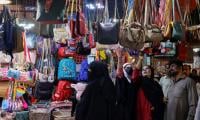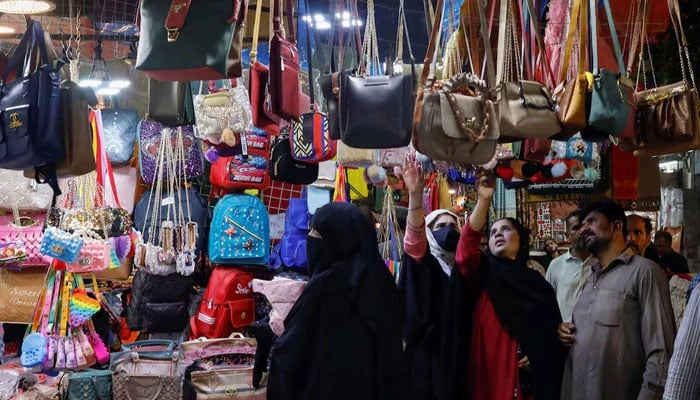
ISLAMABAD/QUETTA: The government in consultation with provinces on Monday decided to go for countrywide closure of bazaars, markets and shopping malls by 8 pm except Sindh.
During a meeting chaired by the prime minister here to review austerity measures and conservation of petroleum products and energy, it was decided to close shopping areas in Islamabad, four provinces, Azad Jammu and Kashmir and Gilgit-Baltistan by 8 pm.
“The decisions taken at the meeting shall be implemented from April 7 (today),” said a statement after the consultative meeting. The prime minister said the Sindh government was holding consultations with stakeholders adding, “I hope the Sindh government will also join us (in the critical decision) very soon.”
With the provincial governments’ consultation, it was decided that markets and shopping malls in the divisional headquarters of Khyber Pakhtunkhwa would remain open till 9 pm. The meeting also decided that bakeries, restaurant, tandoors and all eateries would be closed by 10 pm.
Moreover, all marriage halls, marquees and other commercial places, where marriage ceremonies, are arranged would also close by 10 pm. “The marriage ceremonies arranged at private properties and residential places shall also end by 10 pm.
However, all medical stores and pharmacies would be exempted from the decision. The meeting was briefed that the process for transfer of subsidy in the petroleum products head through wallet was in progress and so far 100,000 transactions had taken place.
The prime minister thanked the chief ministers for reaching consensus on important issues of the national interest.
He said intra-city public transport in Gilgit city and Muzaffarabad would be free for the next one month and the federal government will bear all the expenses. Deputy Prime Minister Ishaq Dar, minister for economic affairs and senior officials concerned attended the meeting.
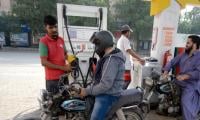
Mehtab Haider adds: The Cabinet Committee to Monitor Petrol Prices on Monday emphasised full compliance of a data-driven approach for inventory, stocks and sale of fuel at retail outlets.
It was decided that joint teams, comprising representatives of the Petroleum Division, Ogra, FIA, and Pakistan State Oil (PSO), will be deployed at selected PSO petrol pumps in Islamabad to support timely data entry, improve stock transparency, and ensure operational compliance.
The committee underscored the importance of institutionalising such mechanisms to strengthen oversight, enhance accountability, and promote consistency in reporting practices across the retail network.
Federal Minister for Finance and Revenue Senator Muhammad Aurangzeb chaired the meeting to review the petroleum supply situation and market conditions following the recent price adjustment.
The meeting focused on ensuring supply continuity, maintaining market discipline, and strengthening monitoring mechanisms across the supply chain. The committee undertook a comprehensive review of petroleum stock positions, import plans, and refinery operations.
The committee members were informed that the overall supply position remained stable, with diesel stocks providing approximately 25 days of cover. The meeting was further informed that petrol was sufficient to meet the current demand, while the crude oil stocks were sufficient for around 12 days, supported by incoming cargoes and scheduled imports.
The Petroleum Division apprised the committee that import arrangements for the coming weeks were on track through a combination of commercial procurement and government-to-government engagements, while refineries continue to operate at optimal levels to maintain throughput and ensure efficient conversion of crude into refined products.
The committee also noted the critical importance of a reliable energy supply in supporting key sectors such as agriculture, fertilizer production, transportation, and industry, underscoring its role in sustaining economic activity and maintaining price stability.
In light of recent price movements, the committee emphasised continued vigilance across the supply chain to prevent hoarding, speculative behaviour, and any disruption in product availability. The importance of closely monitoring demand patterns, including localised variations in consumption, was highlighted to support balanced supply management.
The committee also underscored the need to discourage unauthorised storage and address market irregularities within the regulatory framework.
The committee also reviewed the gas supply situation, including stock positions of SNGPL and SSGC, and discussed options for managing gas availability for domestic consumers and its allocation between the domestic and power sectors.
The members emphasised a balanced, data-driven approach to ensure efficient utilization of resources, particularly in view of seasonal demand and increasing reliance on LPG.
The committee placed particular emphasis on strengthening monitoring and data-driven oversight through the digital dashboard launched by Ogra, which was designed to provide real-time visibility of stock levels, sales, and supply conditions from depots to retail outlets.
The dashboard is expected to serve as a central tool for tracking key indicators, including sales, inventory, and demand fluctuations, enabling timely identification of supply gaps and informed decision-making. Acknowledging progress, the committee noted that data reporting from retail outlets remains below expectations, particularly given the scale of over 12,000 petrol pumps nationwide, and stressed the need to fully operationalize the system to realize its intended benefits.
The finance minister emphasized the importance of timely data integration and directed all stakeholders to ensure prompt and accurate sharing of information to support effective utilization of the dashboard for decision-making.
The Ogra was directed to ensure compliance with data reporting requirements, accelerate digitization efforts across the supply chain, and maintain close coordination with the Oil Marketing Companies (OMCs) and other relevant stakeholders to support seamless implementation of the system. In this context, the PSO will further enhance visibility across its retail network and strengthen reporting coverage on a priority basis.
Chairing the meeting, the finance minister reiterated that maintaining market stability required proactive coordination, effective monitoring, and consistent enforcement. He emphasized that ensuring uninterrupted fuel availability, improving transparency, and protecting consumers remain key priorities, while also encouraging a responsible consumer behavior.
Mohammad Zafar Baloch from Quetta adds: In a closely related development, the Balochistan government and leading trader organisations on Monday unanimously decided to go for austerity measures in order to conserve energy and stabilise resources amid the rising economic challenges.
Following a meeting with Chief Minister Mir Sarfraz Bugti in Quetta, the representatives of the Anjuman-e-Tajran Balochistan, Central Anjuman-e-Tajran, Quetta Chamber of Commerce, Hotel and Restaurants Association, and Wedding Hall Association announced their full support for the government’s proposed timings for markets and businesses.
Under the agreement, markets and shopping centers will close at 8:00pm across the province. The wedding halls and restaurants in Quetta will shut down by 11:0pm and in other districts by10:00pm.
The decision was described as a timely and important step in the national interest, reflecting complete harmony between the government and the business community. Bugti emphasized that Pakistan and the wider region were facing a delicate situation, requiring serious and effective measures backed by the national consensus. He warned of potential energy crises following the petroleum price challenges and stressed the need for proactive steps.
“Across the world, organised working hours are being observed. In the national interest, we too must adopt these principles,” he said. The trader representatives acknowledged the gravity of the situation and assured full cooperation with the government policies. They pledged to play their role in safeguarding national interest by ensuring compliance with the agreed measures.
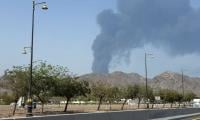
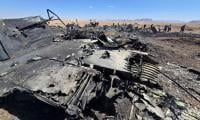
Sabah adds: In an unrelated development, Prime Minister Shehbaz Sharif expressed deep concerns over injuries caused to the civilians, including Pakistani nationals, when a projectile was intercepted at Khor Fakkan Port in the UAE.
In a post on X, the prime minister prayed for swift recovery of the injured. “We remain in close contact with the UAE authorities to ensure all necessary support is extended to our citizens,” he wrote. The prime minister said Pakistan stood in solidarity with the brotherly people of the UAE and reiterated the urgent need for restraint and de-escalation in the region.