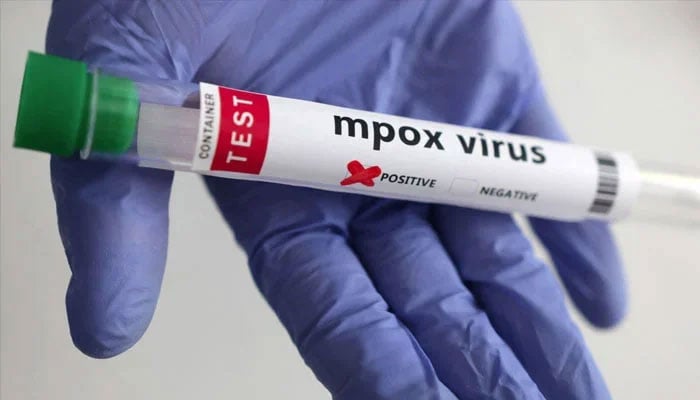
ISLAMABAD: Cases of mpox continue to appear and increase in Khairpur, while also spreading to other parts of Sindh.
In response, World Health Organisation (WHO) has offered vaccines for targeted use. Health experts warn outbreak is quietly expanding due to gaps in infection control and coordination, according to officials and representatives of Pakistan Pediatric Association.
Officials and senior pediatricians said WHO has expressed willingness to support Pakistan with mpox vaccines if needed. However, they emphasised vaccination would be limited to high-risk groups, including healthcare workers and close contacts, as outbreak is still in its early stage.
The situation was discussed during an emergency meeting of Pakistan Pediatric Association, where Dr Khalid Shafi, Dr Ali Faisal Saleem, and Dr Fatima Mir presented clinical and epidemiological evidence. Their findings showed the virus is no longer limited to isolated or imported cases but is now spreading locally, particularly among children and newborns.
According to latest data, Khairpur remains centre of outbreak. Seven confirmed cases among newborns and infants were reported in a short period, and all seven children died. While provincial authorities attribute deaths to prematurity, malnutrition, and other complications, four of infants had tested positive for mpox, raising concerns about virus’s role in worsening their condition.
Beyond Khairpur, suspected cases have been reported in Sukkur, Hyderabad, and Mirpurkhas. Karachi has reported two confirmed cases this year, one linked to international travel and another suggesting possible local transmission.
At the national level, Pakistan has already recorded 26 cases in Khyber Pakhtunkhwa in early 2026, compared to 53 confirmed cases during all of 2025. This indicates a shift from occasional imported infections to ongoing local transmission.
Experts warned spread pattern in Khairpur points to serious weaknesses in infection prevention and control in healthcare facilities. Investigations suggest contaminated incubators and shared medical equipment in neonatal units may have helped spread virus among newborns, turning hospitals into centres of transmission rather than containment.
Dr Ali Faisal Saleem explained Mpox in children can spread not only through close contact but also via contaminated materials such as bedding, linens, and medical equipment, making strict hygiene and sterilisation essential in hospitals.
Dr Khalid Shafi described situation as a “neonatal crisis” driven by hospital-based transmission and warned failure to enforce infection control measures could lead to more deaths among vulnerable infants.
Dr Fatima Mir and other experts also highlighted appearance of mpox in newborns represents a worrying change in how disease is spreading, requiring urgent medical vigilance and stronger surveillance.
Pediatricians also called for immediate HIV screening of all suspected neonatal cases, noting infants with weakened immune systems may face a higher risk of severe illness. They said this measure is not being consistently implemented.
At the same time, concerns were raised about limited coordination with National Institute of Health, with experts warning poor data sharing could weaken a unified national response and create broader public health risks.
Another major concern is diagnostic confusion. With over 13,000 suspected measles cases reported in Pakistan this year, many in young children, early mpox infections with unusual rashes may have been misdiagnosed, allowing virus to spread unnoticed.
Health authorities in Sindh say situation is under control, with affected facilities disinfected and surveillance increased. However, experts argue continued emergence of cases in Khairpur and other districts shows transmission has not yet been fully contained.
They emphasised while WHO’s vaccine offer is an important backup, immediate priority should be strict infection prevention, rapid case detection, and transparent reporting.
Experts warned continued rise of mpox cases in Khairpur and their spread to other districts indicate outbreak is developing into a wider public health challenge, requiring urgent and coordinated action at both provincial and federal levels.